
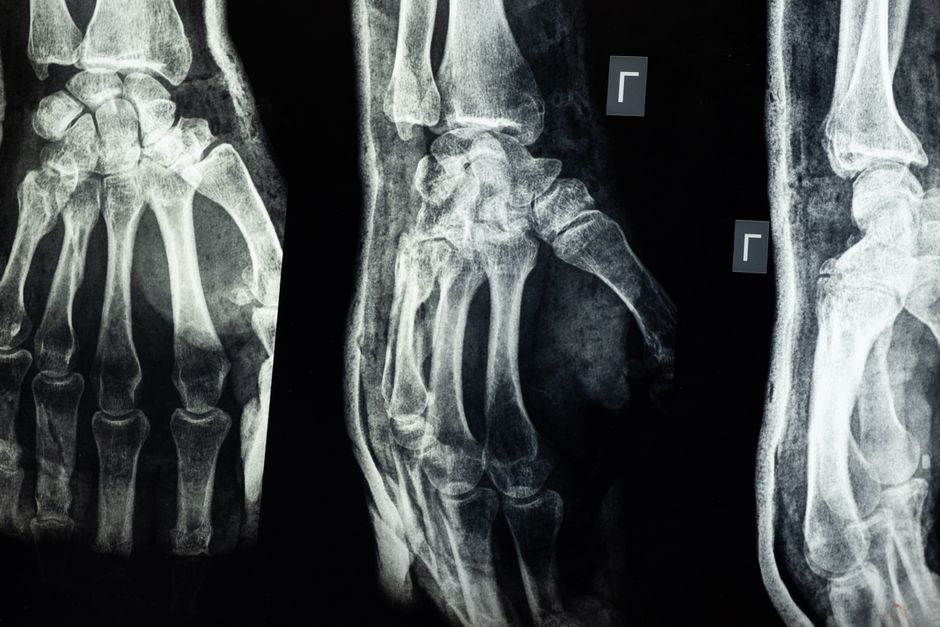
Fractures are a major health risk as we age, but they are not an inevitable part of getting older. You can take direct action to protect your bones through a combination of targeted nutrition, specific types of exercise, and lifestyle changes that reduce your risk of falling. The most effective strategy is not any single intervention, but a layered approach that builds bone strength while also improving your balance and coordination to prevent the falls that cause most breaks.
Why Do Bones Become More Fragile With Age?
Your skeleton is living tissue that constantly breaks down and rebuilds itself. This process, called bone remodeling, keeps your bones strong and repairs micro-damage. Until about age 30, you build more bone than you lose, reaching your peak bone mass. After that, the balance slowly shifts. You begin to lose slightly more bone than you rebuild.
For women, the drop in estrogen during menopause accelerates this bone loss significantly. Men also lose bone with age, though usually more slowly. When the loss becomes severe, the condition is called osteoporosis. Bones with osteoporosis are less dense and more porous, making them much more likely to break from a minor fall or even a sudden twist. This is why preventing fractures is about two separate but related goals: keeping the bone itself strong and preventing the fall that could break it.
How To Prevent Bone Fractures Diet Exercise More?
Preventing fractures requires a dual strategy: building and maintaining bone density through diet and exercise, and simultaneously reducing your risk of falling. Diet provides the raw materials for bone, while exercise signals the body to keep that bone strong. Fall prevention protects you from the accidents that cause most fractures. A successful plan addresses all three of these areas together, not in isolation.
Many people think only about calcium, but bone health is far more complex. Your body needs a steady supply of several nutrients, and it needs physical stress to trigger bone-building. Without both, your skeleton will weaken regardless of how much calcium you consume.
What Nutrients Are Essential for Bone Strength?
Calcium is the primary mineral in bone, but it cannot work alone. Your body also needs vitamin D to absorb that calcium from your food into your bloodstream. Without sufficient vitamin D, your body will pull calcium from your bones to maintain normal blood levels, weakening your skeleton over time.
Good sources of calcium include dairy products, leafy green vegetables like kale and broccoli, and fortified foods such as certain plant milks and juices. Adults generally need about 1,000 milligrams of calcium per day, increasing to 1,200 milligrams for women over 50 and men over 70. Vitamin D is harder to get from food alone. Fatty fish, egg yolks, and fortified milk contain some, but many people need a supplement to reach the recommended daily intake of 600 to 800 IU, depending on age.
Protein is another critical component that is often overlooked. Bone is about 50% protein by volume. Low protein intake is linked to poorer bone density and higher fracture risk. Most adults need roughly 0.8 grams of protein per kilogram of body weight per day, and older adults may benefit from more. Magnesium, vitamin K, and potassium also play supporting roles in bone metabolism, though the research on supplementation for these is less definitive than for calcium and vitamin D.





Which Types of Exercise Actually Build Bone?
Bone responds to physical stress. When you apply force to a bone, it triggers the bone-building cells to lay down new tissue. The most effective exercises for building bone are weight-bearing activities and resistance training.
Weight-bearing exercises are those done on your feet, where your skeleton supports your body weight against gravity. Walking, jogging, hiking, dancing, and stair climbing all qualify. However, the benefit depends on the impact. A brisk walk is better than nothing, but higher-impact activities like jogging or jumping provide a stronger stimulus. For people who cannot tolerate high-impact exercise, lower-impact options still offer some benefit, though less.
Resistance training uses external resistance to stress the muscles and bones. Lifting weights, using resistance bands, or doing bodyweight exercises like squats and push-ups all count. The key is progressive overload, meaning you gradually increase the weight or resistance over time. This continuous challenge forces your body to adapt by building stronger bones and muscles. Strong muscles also protect your bones by absorbing some of the force of a fall.
Studies consistently show that a combination of weight-bearing and resistance exercise is more effective for bone density than doing either type alone. You should aim for at least 150 minutes of moderate aerobic activity per week, plus two or more days of strength training that targets all major muscle groups.
How Does Balance Training Prevent Fractures?
Most fractures in older adults result from falls, not from spontaneous bone breakage. This means that improving your balance is just as important as building bone density. If you do not fall, you cannot break a bone from a fall, regardless of how strong or weak your bones are.
Balance tends to decline with age due to changes in vision, inner ear function, and muscle strength. You can counteract this decline with specific training. Tai chi is one of the most well-studied balance interventions, with research showing it can significantly reduce fall rates in older adults. Yoga and Pilates also improve balance, flexibility, and core strength.
Simple exercises you can do at home include standing on one foot while holding onto a counter, heel-to-toe walking, and practicing getting up from a chair without using your hands. The goal is to challenge your balance regularly in a safe environment. As your balance improves, you become more stable on your feet and less likely to fall in everyday situations.
What Lifestyle Factors Increase Fracture Risk?
Several lifestyle choices have a direct impact on bone health and fracture risk. Smoking is clearly harmful. It interferes with calcium absorption and reduces estrogen levels, both of which accelerate bone loss. Quitting smoking at any age can slow this process.
Heavy alcohol consumption is also linked to lower bone density and a higher risk of falls. Alcohol can interfere with the body’s ability to absorb calcium and can impair balance, making falls more likely. Limiting alcohol to no more than one drink per day for women and two for men is the general guidance.
Certain medications can also weaken bones over time. Long-term use of corticosteroids, such as prednisone, is a well-known risk factor for osteoporosis. Some medications for epilepsy, breast cancer, and prostate cancer also affect bone density. If you take any of these medications long-term, discuss bone health monitoring with your doctor.
When Should You Get a Bone Density Test?
A bone density test, called a DXA scan, measures the strength of your bones, typically at the hip and spine. It is the standard tool for diagnosing osteoporosis and assessing fracture risk.
The general recommendation is that all women over 65 and men over 70 should have a bone density test. You may need one earlier if you have risk factors such as a previous fracture after age 50, a family history of osteoporosis, long-term steroid use, or a condition that affects nutrient absorption. Your doctor can help determine if earlier testing is appropriate for your situation.
The test results give you a T-score, which compares your bone density to that of a healthy young adult. A T-score of -1.0 or above is normal. Between -1.0 and -2.5 indicates low bone mass, sometimes called osteopenia. A T-score of -2.5 or lower indicates osteoporosis. These results help guide treatment decisions, including whether medication may be necessary in addition to lifestyle changes.
Are Bone Supplements Effective?
Calcium and vitamin D supplements are the most common supplements recommended for bone health. The evidence for calcium supplementation is mixed. Some studies show modest benefits in bone density, but large trials have not consistently shown a reduction in fracture risk. Getting calcium from food is generally preferred, as the body absorbs it well and it comes with other beneficial nutrients.
Vitamin D supplementation is more clearly beneficial for people who are deficient. Many older adults have low vitamin D levels, especially if they have limited sun exposure. A blood test can determine your vitamin D status, and your doctor can recommend an appropriate dose if you are low.
Other supplements marketed for bone health, such as magnesium, vitamin K2, and collagen, have less robust evidence. Some research suggests potential benefits, but large human trials confirming fracture prevention are lacking. The evidence here is limited, and no supplement should replace a balanced diet and regular exercise as your primary strategy for bone health.
Frequently Asked Questions
What is the single best exercise for preventing fractures?
No single exercise is best, but a combination of weight-bearing activity like brisk walking or jogging plus resistance training with weights or bands is the most effective approach.
Can I build bone density after age 60?
Yes, bones remain responsive to exercise and nutrition throughout life, though the rate of gain is slower than in younger years. Even modest gains in bone density can significantly reduce fracture risk.
How much calcium do I need daily to prevent fractures?
Most adults need about 1,000 milligrams per day, increasing to 1,200 milligrams for women over 50 and men over 70. Food sources are preferred over supplements.
Does walking alone prevent bone fractures?
Walking is good for general health and provides some bone benefit, but it is not enough on its own. Adding resistance training and balance exercises is necessary for meaningful fracture prevention.
