
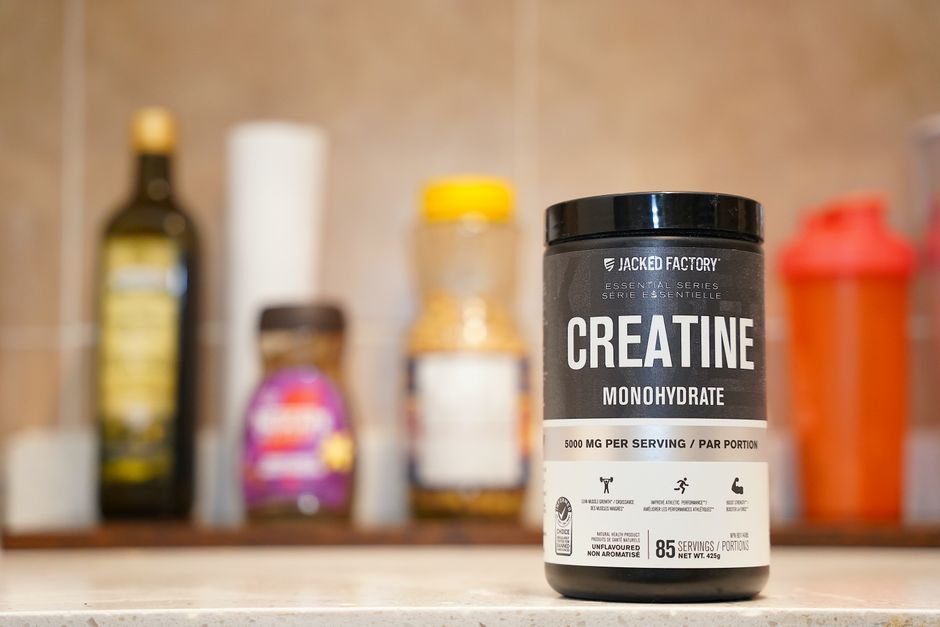
Creatine is one of the most studied supplements in sports nutrition, and bloating is a common side effect that sends many people searching for answers. The good news is that most creatine bloating is preventable with simple adjustments to how you take it, what form you choose, and how much water you drink. The bloating is usually water retention in your muscles, not fat gain, and it often fades within a few weeks as your body adapts.
Why Does Creatine Cause Bloating?
Creatine pulls water into your muscle cells. That is its job. It increases the water content inside the muscle, which helps with energy production during short bursts of intense exercise.
That internal water shift is what causes the scale to go up and your stomach to feel fuller. It is not gas or digestive distress. It is your muscles holding extra fluid. This effect is most noticeable during the first week, especially if you take a loading dose.
Some bloating is also digestive. Creatine monohydrate is a crystalline powder that does not fully dissolve in cold water. Undissolved particles can sit in your stomach and cause gas, cramping, or that heavy feeling. This is separate from the water retention and is often easier to fix.
Does the Loading Phase Make Bloating Worse?
Yes. The traditional loading protocol involves taking 20 grams per day for five to seven days. That is four times the standard maintenance dose. Your body cannot absorb that much creatine at once, and the excess sits in your digestive tract.
Skipping the loading phase is the single most effective way to prevent bloating. A standard maintenance dose of 3 to 5 grams per day will saturate your muscles fully, but it takes about three to four weeks instead of one. The end result is the same muscle creatine levels. You just wait longer to see the performance benefits.
If you already started a loading phase and feel bloated, you can stop loading today and switch to a maintenance dose. The bloating will begin to subside within a few days as your body clears the excess.
What Form of Creatine Causes the Least Bloating?
Creatine monohydrate is the most researched form and the one with the strongest evidence for effectiveness. It is also the form most often associated with bloating, but that is largely a dose and solubility issue, not a problem with the compound itself.
Micronized creatine monohydrate is the same molecule ground into a finer powder. It dissolves more easily in water, which means fewer undissolved particles in your stomach. Many people who report bloating with regular creatine monohydrate do fine with the micronized version.
Other forms like creatine hydrochloride and creatine ethyl ester are marketed as causing less bloating. The evidence for these claims is limited. Some small studies and user reports suggest less stomach discomfort, but no large human trials have confirmed that they are superior to monohydrate for reducing water retention. If you tolerate monohydrate poorly, trying a different form is reasonable, but know that the evidence for their advantage is not strong.




Does Mixing Creatine With Water or Food Matter?
How you mix creatine matters more than most people realize. Creatine monohydrate does not dissolve easily in cold water. It settles at the bottom of the glass. If you drink it fast, you get the last gulp of concentrated powder sitting in your stomach.
Stir it thoroughly or use a shaker bottle. Let it sit for a minute after mixing and stir again. Some people find that warm water dissolves it better, though the temperature does not affect how well your body absorbs it.
Taking creatine with food can also help. A meal slows stomach emptying, which gives the creatine more time to dissolve and absorb gradually. Some research suggests that taking creatine with carbohydrates improves muscle uptake, but the effect is modest and not required for it to work. The main benefit of food is digestive comfort, not absorption speed.
How Much Water Should You Drink With Creatine?
Creatine increases the water content inside your muscle cells. If you do not drink more water to match, your body pulls fluid from other places, which can leave you feeling dehydrated and constipated.
A common recommendation is to drink an extra 16 to 32 ounces of water per day while taking creatine. This is not a precise clinical guideline, but it is a reasonable practical target. Your urine color is a useful guide. Pale yellow means you are well hydrated. Dark yellow means you need more water.
Spacing your fluid intake throughout the day matters more than chugging a large glass with your creatine dose. Your kidneys can only process a limited amount of water per hour. Drinking steadily keeps your cells hydrated and reduces the chance of stomach discomfort.
Does Splitting the Dose Help Prevent Bloating?
Splitting your daily dose into smaller portions can reduce digestive bloating. Taking 2.5 grams twice per day instead of 5 grams once per day puts less creatine in your stomach at any one time.
This is not necessary for everyone. Many people take 5 grams daily with no issues. But if you are prone to stomach discomfort or have a sensitive digestive system, splitting the dose is a simple fix that costs nothing.
There is no evidence that splitting the dose changes how much creatine ends up in your muscles. The total daily amount is what matters. The only downside is remembering to take it twice.
How Long Does Creatine Bloating Last?
Water retention from creatine typically peaks during the first one to two weeks and then stabilizes. After that, the initial puffiness often decreases even though you continue taking the same dose. Your body adjusts to the new water balance.
Digestive bloating from undissolved powder should resolve within a few days of switching to micronized creatine or taking it with food. If bloating lasts longer than two weeks and is accompanied by pain, cramping, or changes in bowel habits, it may not be the creatine at all. Consider other causes like a food intolerance or an unrelated digestive condition.
If you stop taking creatine, the extra water leaves your muscles within a few weeks. The scale will drop back to your baseline. This is normal and expected.
Are There Other Ways to Reduce Stomach Discomfort?
Taking creatine with a meal is one of the most reliable ways to reduce stomach discomfort. The food buffers the creatine and slows its passage through the stomach.
Avoid taking creatine right before a hard workout if you are prone to cramps. The combination of a full stomach and intense exercise can cause nausea. Taking it after your workout with a meal is often the easiest schedule.
Some people report that carbonated beverages make creatine bloating worse. The gas from the soda adds to any stomach distension. Water or a non-carbonated sports drink is a safer choice.
If you have a diagnosed digestive condition like irritable bowel syndrome or Crohn’s disease, talk to your doctor before starting creatine. The evidence for creatine in these populations is limited, and your tolerance may differ from the general population.
When Should You See a Doctor About Creatine Bloating?
Mild bloating that goes away within a week or two is normal. Bloating that is severe, painful, or accompanied by vomiting, diarrhea, or blood in your stool is not normal. Stop taking creatine and contact a healthcare provider.
Creatine is generally safe for healthy adults at recommended doses, but it is not appropriate for everyone. People with kidney disease should not take creatine without medical supervision. If you have any chronic health condition, check with your doctor before starting.
No clinical guidelines currently exist for creatine use in pregnant or breastfeeding women. The safety data is simply not there. If you are pregnant or nursing, do not take creatine without discussing it with your obstetrician.
Frequently Asked Questions
Does creatine monohydrate cause more bloating than other forms?
Creatine monohydrate is the most studied form and is often linked to bloating, but the issue is usually dose and solubility rather than the compound itself. Micronized monohydrate dissolves better and causes less stomach discomfort for many people.
Can I skip the loading phase to avoid bloating?
Yes, skipping the loading phase is the most effective way to prevent bloating. A daily maintenance dose of 3 to 5 grams takes three to four weeks to fully saturate your muscles but causes far less digestive distress.
How much water should I drink while taking creatine?
Drinking an extra 16 to 32 ounces of water per day is a reasonable target, though it is not a precise clinical guideline. Pale yellow urine is a good sign that you are hydrated enough.
Will creatine bloating go away if I keep taking it?
Yes, water retention typically peaks in the first one to two weeks and then stabilizes as your body adjusts. Digestive bloating from undissolved powder should resolve within a few days of changing how you take it.
