
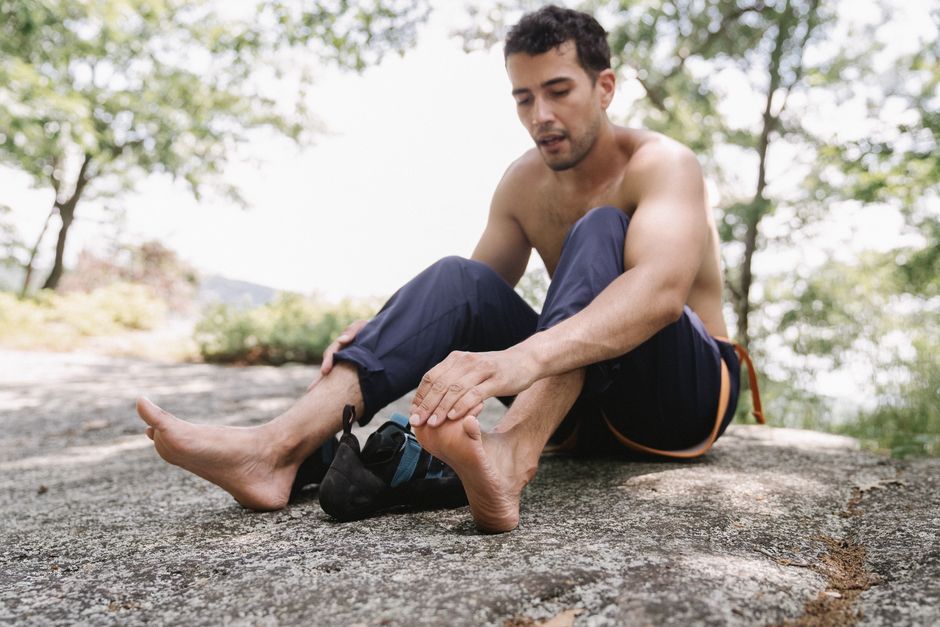
Most blisters form because of friction — skin rubbing against something else, over and over, until the layers of skin separate and fill with fluid. The best way to prevent a blister is to reduce that friction before it starts: wear shoes that fit properly, keep feet dry or deliberately lubricated depending on conditions, and break in new footwear gradually. Addressing the cause early is far more effective than treating a blister after it has formed.
Blisters rarely appear out of nowhere. They build over minutes to hours of repeated rubbing, which means you usually have time to act. Understanding what friction does to skin — and where it happens on your body — is the foundation for preventing it.
What Actually Causes a Blister?
A blister is a separation between layers of skin. When something rubs against your skin repeatedly, the friction creates shear forces just below the surface. Those forces pull the upper layer of skin away from the layer beneath it. The gap fills with fluid to cushion the damage.
Three things have to line up for this to happen: friction, moisture, and heat. Dry skin resists rubbing better than damp skin. Sweat softens the outer layer of skin, making it easier for shear forces to separate the layers. Warmth from friction adds to the problem.
This is why blisters cluster on feet during long walks or runs, on hands during manual labor, and under straps or seams that press against skin. It is not about weakness or poor fitness. It is a mechanical process that happens to anyone given enough repetition.
One point often missed: it is not just pressure that causes blisters. A shoe can feel comfortable and still cause a blister if there is any repetitive sliding inside it. Shear — the sideways movement of skin against a surface — matters more than downward pressure alone.
How To Prevent Blisters Before They Form
Prevention works on three fronts: reduce friction, manage moisture, and choose the right gear. Each one matters, and combining them is more effective than relying on any single step.
Reduce friction at the skin surface
Lubricants reduce the coefficient of friction between skin and fabric. Products made for this purpose — often called anti-chafe balms or friction-reducing sticks — are applied to areas prone to rubbing before activity. Petroleum jelly is a common and inexpensive option. Some people use powders instead, especially in hot conditions, to keep skin dry and slick.
Two-layer sock systems are another established approach. A thin inner liner sock slides against the outer sock rather than against your skin, so the friction happens between the socks instead of on your foot. This is widely used in hiking and distance running.
Blister plasters and patches applied before activity can add a low-friction barrier over high-risk spots. They work best as prevention on known hot spots, not as a first response to an existing blister.
Manage moisture
Damp skin blisters faster than dry skin. Moisture-wicking socks — made from synthetic fibers or wool rather than cotton — move sweat away from the skin. Cotton holds moisture against your foot, which is why it is a poor choice for long activity.
In hot weather, changing socks partway through a long walk or hike helps. So does letting feet and shoes dry out between sessions. In cold, wet conditions, the goal shifts: keep feet dry with waterproof footwear where appropriate, because wet feet in cold conditions are both blister-prone and a cold-injury risk.
Choose footwear carefully
Fit is the single most important factor. Shoes that are too small crowd the toes. Shoes that are too large let the foot slide, which creates friction with every step. A proper fit leaves roughly a thumb’s width between your longest toe and the end of the shoe, and the heel should stay put without slipping.
Break in new shoes gradually. Stiff new footwear, especially boots, creates friction against skin that has not adapted. Wearing them for short periods before long use is standard advice, though the exact timeline varies by shoe and person.
Why Are Feet the Most Common Blister Site?
Feet combine every risk factor at once: they are enclosed in shoes, they sweat, they bear weight, and they move thousands of times per hour during walking or running. The heel and the toes are the most common spots because they experience the most sliding inside a shoe.
Hands blister for the same mechanical reasons, just from different tools — rackets, shovels, bars, and oars. Gloves and grip tape serve the same friction-reducing role that socks and lubricants serve for feet.




Does Taping or Padding Really Help?
Yes, when used correctly. Tape and padding create a barrier between skin and the rubbing surface, and they can also reduce shear. The evidence for taping as a preventive measure is reasonable, though technique matters — tape that wrinkles or peels creates new friction points.
Adhesive tapes designed for skin stay put better than general-purpose tape. Applying them smoothly, without creases, is important. Some clinicians recommend a thin layer of lubricant or a liner under tape in high-friction areas, but practice varies and there is no single standard approach.
Padding — moleskin or foam cutouts — works by absorbing pressure and spreading it over a larger area. It is most useful over bony prominences like the heel or the ball of the foot. Padding alone does not eliminate shear, so pairing it with moisture control and good fit is more effective.
What About Skin Hardening and Conditioning?
Repeated controlled exposure to friction can cause skin to thicken, forming calluses. This is a real physiological response, and it is why experienced hikers and laborers blister less than beginners on the same terrain. Gradual conditioning — building up distance or workload over time — is a legitimate preventive strategy.
That said, calluses are not universally protective. Very thick calluses can themselves become painful or crack, and some research suggests that overly hard skin can shift shear forces to the surrounding softer skin. The goal is resilient skin, not maximum thickness.
There is no cream or supplement with strong evidence for “toughening” skin quickly. Marketing claims in this space outrun the evidence considerably.
What Should You Do the Moment You Feel a Hot Spot?
Stop and address it. A hot spot — that warm, stinging sensation before a blister forms — is the window where prevention still works. Continuing to push through it is the most common reason blisters form.
At the first sign, check for:
- Something bunched inside the shoe or sock
- A seam or wrinkle pressing against the skin
- Moisture buildup that needs drying or a sock change
- A shoe that has shifted or loosened
Then apply a preventive barrier — tape, a blister patch, or lubricant — over the spot before continuing. If the hot spot is severe, adjusting your activity or stopping is the safer choice. A blister that forms and then tears open carries a risk of infection, especially in dirty or wet environments.
Which Prevention Method Works Best?
No single method is best for everyone. The most effective approach combines several steps, matched to your activity and conditions. Here is a practical comparison of the main options:
| Method | What it does | Best used for |
|---|---|---|
| Proper shoe fit | Reduces sliding and pressure | Every activity |
| Moisture-wicking socks | Keeps skin drier | Hot weather, sweaty feet |
| Two-layer sock system | Moves friction off the skin | Hiking, distance running |
| Lubricants or anti-chafe balm | Lowers friction at the surface | Known hot spots, long events |
| Tape or blister patches | Adds a barrier over high-risk spots | Prevention on identified hot spots |
| Gradual conditioning | Builds callus over time | New activities, new distances |
For most people, the highest-value steps are fit, socks, and paying attention to hot spots early. Lubricants and tape are useful additions, not replacements for those basics.
When Should You See a Doctor?
Most friction blisters heal on their own within days to a week or so. Seek medical attention if a blister shows signs of infection — increasing redness, warmth, swelling, pus, or fever — or if you have diabetes, poor circulation, or a weakened immune system, since foot wounds carry higher risk in these groups.
Do not pop blisters unnecessarily. The fluid and the intact skin over it protect against infection. If a blister is large, painful, or in a spot that will keep getting rubbed, a clinician can advise on safe drainage. For people with diabetes in particular, foot blisters and wounds should be checked by a professional rather than self-treated.
Frequently Asked Questions
Can you prevent blisters on your feet completely?
You can greatly reduce the risk, but no method prevents every blister. Combining proper fit, moisture-wicking socks, and early attention to hot spots is the most reliable approach.
What is the fastest way to stop a blister from forming?
Act at the first hot spot — dry the area, fix any bunched fabric or seams, and apply tape or lubricant before continuing. Stopping the friction early is what prevents the blister from forming.
Are cotton socks bad for blisters?
Cotton holds sweat against the skin, and damp skin blisters more easily. Synthetic or wool socks that wick moisture are generally a better choice for long activity.
Should you pop a blister to prevent infection?
No. Leaving a blister intact protects against infection, and most heal on their own. If a blister is large or painful, ask a clinician about safe drainage.
