
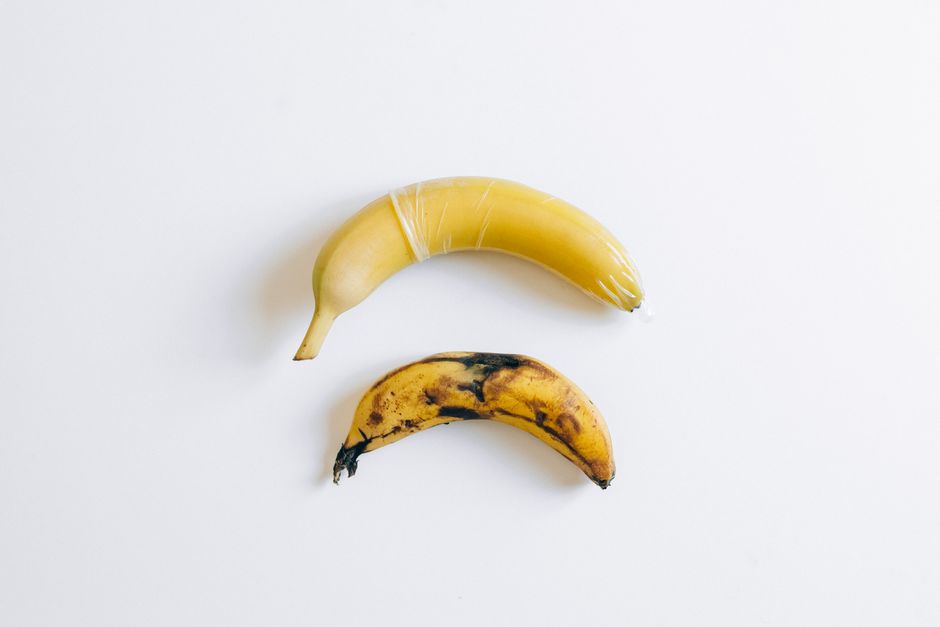
Bananas brown because of a natural enzyme reaction that speeds up with warmth, oxygen, and physical damage. You can slow it down by separating bananas from each other, wrapping the stems, storing them at the right temperature, and chilling or freezing them once they reach the ripeness you like. You cannot stop browning forever, but you can add days to a banana’s useful life with a few simple habits.
Why Do Bananas Turn Brown So Fast?
Browning is a chemical process, not rot. When a banana’s cells are damaged — by a bump, a knife, or simply time — an enzyme called polyphenol oxidase mixes with oxygen and compounds called polyphenols. That reaction creates brown pigments. The same basic process browns apples and avocados.
Ethylene is the accelerant. Bananas produce this natural gas as they ripen, and they are unusually sensitive to it. A banana sitting next to another banana is essentially being ripened twice as fast, because it is breathing in its neighbor’s ethylene. This is why a bunch left in a bowl goes from green to speckled in a few days.
Temperature matters too. Warmth speeds up every step of the reaction. Cold slows it dramatically. That single fact explains most of the practical advice below.
How To Prevent Bananas From Browning: The Core Tips
The most effective single step is to break up the bunch. Bananas connected at the crown keep ripening each other. Separate them as soon as you get home and each one lasts longer.
Next, wrap the stems. The crown is where most ethylene escapes. Covering it with plastic wrap or foil reduces the gas released into the air around the fruit. It will not stop ripening, but it slows the pace noticeably.
- Separate the bunch so bananas stop ripening each other.
- Wrap each stem with plastic wrap or foil to limit ethylene release.
- Keep them cool — around 55 to 58°F is the commonly cited ideal, though most kitchens run warmer.
- Keep them away from other produce that gives off ethylene, like apples and avocados.
- Handle gently — bruises start the browning reaction early.
One clarification worth knowing: the greenish tinge you sometimes see on a banana’s skin has nothing to do with browning. It is chlorophyll breaking down unevenly as the fruit ripens. It is harmless and not a sign of spoilage.
Should You Refrigerate Bananas?
Refrigeration slows browning, but it comes with a trade-off. Cold temperatures damage the banana’s cell walls, and the skin will turn dark brown or black within a day or two even though the fruit inside stays firm and fresh.
Here is the practical rule. Refrigerate bananas once they have reached the ripeness you want to eat. If you put a green banana in the fridge, it will not ripen properly and may develop an off texture. If you put a ripe one in, the peel darkens but the flesh holds for several extra days.
The peel color becomes an unreliable guide once a banana has been refrigerated. Judge by feel and by the flesh, not the skin. A blackened peel on a refrigerated banana often hides perfectly good fruit.
Does Storing Bananas in a Plastic Bag Help?
Yes, with a caveat. A loosely closed plastic bag traps ethylene around the fruit, which sounds like the opposite of what you want. The trick is that the bag also limits airflow, and some people find it helps when combined with a stem wrap and cool storage.
The evidence here is mixed and largely based on common kitchen practice rather than controlled studies. What is well established is that ethylene gas drives ripening, and that ventilation matters. A sealed bag with no airflow can trap moisture and encourage mold. If you use a bag, keep it loose and check the fruit daily.
For most people, separating bananas and wrapping the stems does more than a bag will.
How Do You Keep Cut Bananas From Going Brown?
Once a banana is sliced, the browning clock starts immediately because the cut surface is exposed to oxygen. A squeeze of lemon or lime juice slows it. The citric acid lowers the pH at the surface, and the browning enzyme works poorly in acidic conditions.
Plastic wrap pressed directly against the cut surface also helps by limiting oxygen contact. So does chilling the slices. None of these methods stop browning completely — they buy you hours, not days.
A common myth says you can prevent browning with a vitamin C tablet dissolved in water. The logic is reasonable because ascorbic acid is an antioxidant, but home kitchen results vary widely and no reliable household protocol has been established. Lemon juice is the simpler, better-tested option.
What About Freezing Bananas?
Freezing stops the browning reaction almost entirely. Peel the bananas first, because the peel becomes impossible to remove cleanly after freezing. Slice them or leave them whole, then store in an airtight container or freezer bag.
Frozen bananas will darken slightly over months in the freezer, but the flesh stays usable for baking, smoothies, and banana bread for several months. This is the most reliable long-term method for saving bananas you cannot eat in time.
Freeze bananas at peak ripeness, not after they have gone soft and spotted. The texture after thawing is mushy regardless, so the flavor at the moment of freezing is what you will taste later.
Does the Stem Wrap Actually Work?
Partly. The stem is a major exit point for ethylene, and covering it reduces how much gas reaches nearby fruit. Studies on ethylene management in commercial produce handling support the general principle that limiting ethylene exposure slows ripening.
What is less clear is how much a home plastic wrap changes things in a typical kitchen. The effect is real but modest. It works best alongside separation and cool storage, not as a standalone fix.
Do not expect a stem wrap to keep a banana yellow for a week. Expect it to add a day or two, and treat that as a fair result.
When Is a Brown Banana Still Good to Eat?
A brown or spotted banana is usually fine. Brown spots on the peel are a sign of ripeness, not spoilage. The flesh inside is typically sweet and soft, which makes it ideal for baking.
Throw it out if the flesh is mushy and smells fermented, if there is visible mold, or if the peel has split and the fruit is leaking. Those are signs of actual decay rather than normal browning.
Browning and rotting are different processes. Browning is an enzyme reaction. Rotting is microbial growth. A banana can be thoroughly brown and completely safe, or barely brown and already spoiling from a damaged spot.
Frequently Asked Questions
How do you keep bananas from browning too fast?
Separate the bunch, wrap each stem, and keep bananas cool and away from other ethylene-producing fruit. These steps slow ripening but cannot stop it completely.
Is it bad to put bananas in the refrigerator?
No, but the peel will turn dark brown even though the flesh stays fresh. Refrigerate bananas only after they have reached the ripeness you want.
Does lemon juice stop bananas from browning?
It slows browning on cut surfaces because the acid interferes with the browning enzyme. It buys hours, not days.
Can you freeze bananas to stop them browning?
Yes. Peel them first, then freeze whole or sliced in an airtight container. Frozen bananas keep for several months and work well for baking and smoothies.
