
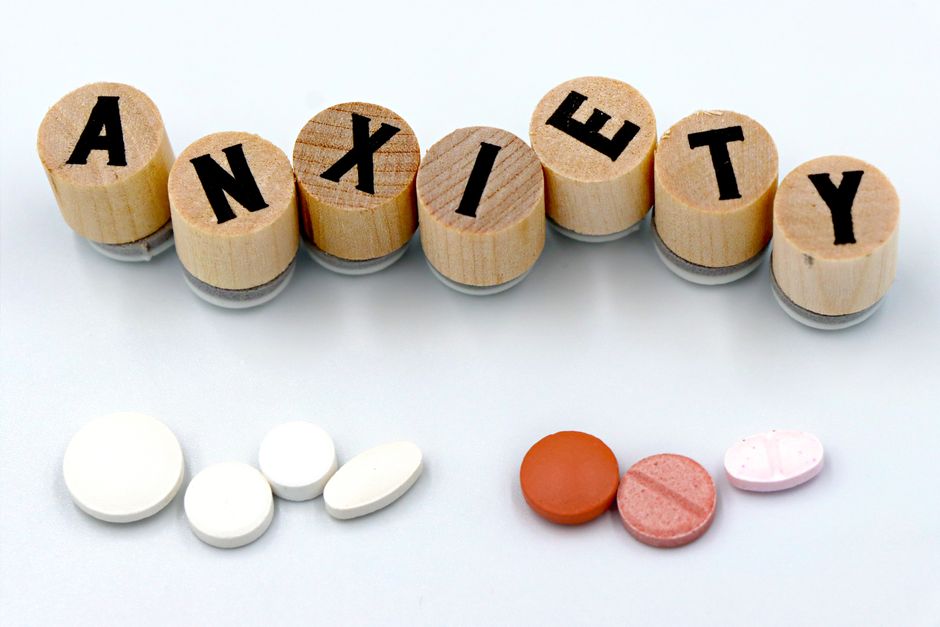
Anxiety disorders are the most common mental health condition in the United States, affecting tens of millions of adults each year. You cannot guarantee you will never develop one — genes, temperament, and life events all play a part. But you can lower your risk and build real resilience. The evidence is strongest for a handful of habits: regular physical activity, enough sleep, early treatment of symptoms when they first appear, and learning practical coping skills before a crisis forces the issue.
What Actually Raises The Risk Of An Anxiety Disorder?
Anxiety disorders rarely come from a single cause. They emerge from a mix of biology and circumstance, and understanding that mix helps you see where you have room to act.
Genetics matter. Anxiety disorders run in families, and having a close relative with one raises your own risk. But genes are not destiny. They set a starting point, not a fixed outcome.
Brain chemistry and temperament play a role too. Some people are naturally more reactive to threat — a trait researchers call anxiety sensitivity. That sensitivity is not a flaw. It is a dial that can be adjusted with practice.
Life stress is a major contributor. Trauma, chronic illness, financial strain, and major losses all increase vulnerability. So does early adversity. Children who grow up in unpredictable or frightening environments are more likely to develop anxiety later.
Certain substances and medical conditions can trigger or worsen anxiety symptoms. Heavy caffeine use, alcohol, some medications, thyroid problems, and heart conditions can all produce or amplify anxious feelings. When anxiety appears suddenly in midlife with no prior history, a medical workup is reasonable.
The key insight is this: risk factors are not the same as causes. Having several risk factors does not mean you will develop a disorder. It means the habits you build matter more, not less.
How Does Exercise Help Prevent Anxiety?
Regular physical activity is one of the most consistently supported protective habits for anxiety. Studies have found that people who move regularly tend to report lower anxiety levels than those who are sedentary.
The mechanism is well understood. Exercise triggers the release of endorphins and other mood-related chemicals in the brain. It also lowers resting stress hormones over time. Perhaps most importantly, it gives your body practice at handling elevated heart rate and rapid breathing — the same sensations that fuel panic — in a safe, controlled context.
You do not need to run marathons. Moderate activity appears to be enough. Brisk walking, cycling, swimming, or gardening all count. The general public health recommendation is at least 150 minutes of moderate activity per week, which works out to about 30 minutes on most days.
Consistency matters more than intensity. A person who walks daily will likely get more benefit than someone who does an intense workout once a week. If you are starting from zero, even short sessions help. Some activity is better than none.
One clarification worth making: exercise is not a replacement for treatment if you already have an anxiety disorder. It is a supportive habit. The evidence for exercise as a standalone treatment is more limited than the evidence for it as part of a broader healthy lifestyle.
Why Sleep And Caffeine Matter More Than Most People Realize
Sleep and anxiety have a two-way relationship. Poor sleep raises anxiety, and anxiety makes sleep harder. Breaking that loop early is one of the most practical preventive steps available.
When you are sleep-deprived, the brain’s emotional centers become more reactive. The prefrontal cortex — the part that helps you stay calm and think clearly — works less well. The result is that ordinary stressors feel bigger than they are.
Most adults need seven to nine hours of sleep per night. If you are regularly getting less, that is worth addressing. Good sleep habits include a consistent wake time, a dark and cool bedroom, and limiting screens close to bedtime. These are well-established behavioral recommendations, not fringe advice.
Caffeine deserves its own mention. It is a stimulant that mimics and amplifies the physical sensations of anxiety — racing heart, jittery hands, restlessness. For people who are sensitive, even moderate coffee intake can trigger or worsen anxious feelings. If you notice that your anxiety spikes after your morning coffee, that is useful information.
Alcohol is another factor. A drink may feel calming in the moment, but alcohol disrupts sleep and can increase anxiety the following day. Relying on it to manage stress tends to make things worse over time.
These are not dramatic changes. They are small levers that, pulled consistently, keep your nervous system on more even ground.





Can You Build Tolerance To Anxiety Before It Takes Hold?
Yes. This is one of the most useful things to understand about anxiety. Avoidance makes anxiety stronger. Facing things gradually makes it weaker.
When you avoid something you fear, you get short-term relief. But your brain learns that the thing was indeed dangerous, and the fear grows. This is the core mechanism behind many anxiety disorders. The antidote is controlled exposure — approaching feared situations in small, manageable steps.
You can practice this before a disorder develops. If you notice yourself avoiding normal situations — driving on highways, speaking in meetings, making phone calls — pay attention. Small avoidances can quietly expand. Deliberately doing the avoided thing, starting small, teaches your nervous system that the danger was exaggerated.
This principle is the foundation of cognitive behavioral therapy, which is one of the most well-studied treatments for anxiety disorders. You do not need a therapist to apply the basic idea. But if avoidance is already affecting your daily life, professional help is worth seeking.
Another skill worth learning is simple stress management. Slow breathing, progressive muscle relaxation, and mindfulness practices have reasonable evidence for reducing everyday anxiety. They are not cures. They are tools that help you stay steady when stress rises.
When Should You Get Help Early?
Early intervention is one of the strongest protective factors against anxiety disorders becoming entrenched. The problem is that many people wait years before seeking help.
Watch for these signs:
- Worry that feels hard to control and lasts most days for weeks
- Avoiding situations that used to be normal for you
- Physical symptoms like a racing heart, tight chest, or stomach upset that have no clear medical cause
- Sleep problems that persist despite good sleep habits
- Irritability, restlessness, or trouble concentrating that affects work or relationships
If any of these sound familiar, talking to a doctor or mental health professional is a reasonable next step. This is not an overreaction. Catching anxiety early often means shorter treatment and better outcomes.
Treatment for anxiety is well established. Therapy, particularly cognitive behavioral therapy, has strong evidence. Medications are also effective for many people. The choice depends on your situation, and a clinician can help you weigh it.
One honest point: there is no blood test or scan that diagnoses an anxiety disorder. Diagnosis relies on your history and symptoms. That is why describing what you are experiencing clearly to a professional matters.
What About Supplements And Apps Claiming To Prevent Anxiety?
Be careful here. The market for anxiety products is large, and much of it runs ahead of the evidence.
Some supplements, such as certain herbal extracts, have been studied for anxiety. The evidence is mixed and often of low quality. No supplement has been shown in large, well-controlled human trials to prevent anxiety disorders. Claims that a product “supports calm” or “balances mood” are marketing language, not clinical findings.
Mental health apps are a similar story. Some are based on solid principles like cognitive behavioral therapy and have modest supporting evidence. Others are essentially relaxation content with wellness branding. If an app promises to prevent anxiety disorders, that is a claim the evidence does not currently support.
None of this means these tools are useless. A meditation app may help you relax. A supplement may be harmless for most people. But do not mistake a pleasant product for proven prevention. And check with a doctor before starting any supplement, especially if you take medication or have a health condition.
What Does A Realistic Prevention Plan Look Like?
Prevention is not one dramatic change. It is a set of ordinary habits, practiced consistently, that keep your nervous system more resilient.
Move your body most days. Protect your sleep. Watch your caffeine and alcohol. Learn to notice avoidance and push back against it in small steps. Practice a simple relaxation skill so it is familiar before you need it. And if symptoms appear, act early rather than waiting.
None of these steps guarantees you will never develop an anxiety disorder. That is an honest limit. But together they represent the best-supported approach to lowering risk and building the kind of resilience that makes anxiety less likely to take hold.
If you are already struggling, know that anxiety disorders are treatable. Reaching out for professional support is a sign of good sense, not weakness.
Frequently Asked Questions
Can anxiety disorders actually be prevented?
There is no guaranteed way to prevent an anxiety disorder, but certain habits are linked to lower risk. Regular exercise, good sleep, early treatment of symptoms, and learning coping skills all appear to help.
Does exercise really reduce anxiety?
Studies have found that people who exercise regularly tend to report lower anxiety levels. Moderate activity like brisk walking appears to be enough, and consistency matters more than intensity.
How much sleep do adults need to help prevent anxiety?
Most adults need seven to nine hours of sleep per night. Regularly getting less can make the brain more reactive to stress and worsen anxious feelings.
When should I see a doctor about anxiety?
See a doctor if worry feels hard to control, lasts most days for weeks, or causes you to avoid normal situations. Early help often leads to shorter treatment and better outcomes.
