
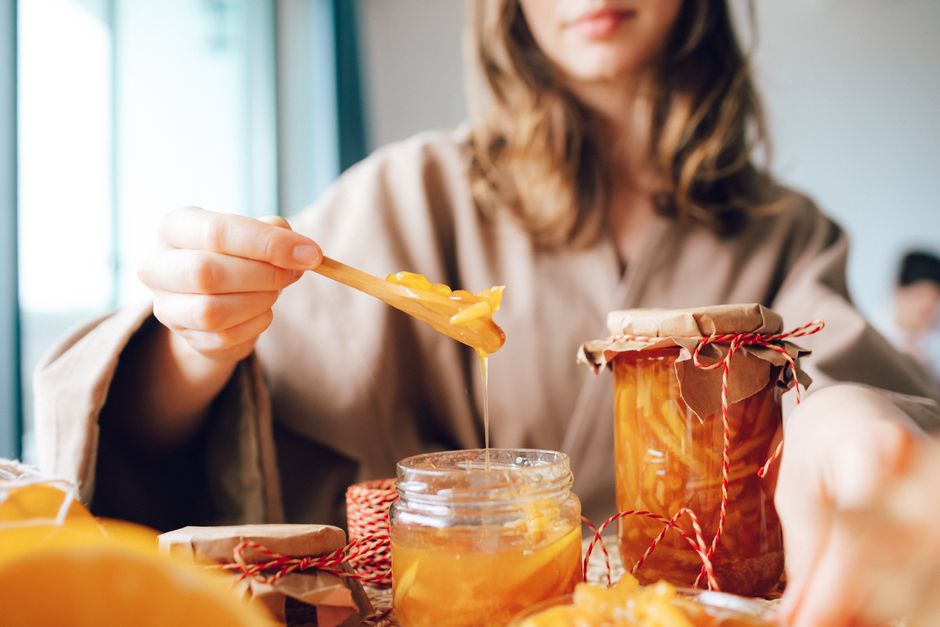
Simple syrup is just sugar and water, but it does not last forever. Left at room temperature, it can spoil in about two weeks. The best way to make it last longer is to store it in a sealed glass container in the refrigerator, where it will stay safe for up to one month. For an even longer shelf life, you can freeze it or add a preservative like vodka, though each method has trade-offs you should understand before choosing one.
Why Does Simple Syrup Spoil?
Simple syrup spoils because it is a food source for microorganisms. The two main threats are mold and bacteria. Mold spores are everywhere in the air. When they land on syrup, they can grow if conditions are right.
The sugar concentration matters. A standard simple syrup uses a 1:1 ratio of sugar to water. That ratio creates a solution where most bacteria struggle to survive, but it is not strong enough to stop everything. Mold and some yeasts can still grow in a 1:1 syrup.
Rich simple syrup, made with a 2:1 ratio of sugar to water, is more hostile to microbial growth. The higher sugar content pulls water away from microorganisms through osmosis. This makes it harder for them to multiply. Rich syrup can last longer than standard syrup, but it is not immune to spoilage.
Contamination also plays a role. Every time you dip a spoon into the syrup, you introduce bacteria from your hands or the utensil. Even a clean-looking spoon can carry microbes. This is why how you handle the syrup matters as much as how you store it.
How To Preserve Simple Syrup So It Lasts Longer
The most reliable method is refrigeration in a clean, airtight container. Glass jars with tight-fitting lids work best. Plastic bottles can work, but they are harder to sanitize completely and may absorb odors over time.
Before storing, make sure the syrup has cooled completely. Hot syrup in a sealed jar creates condensation. That extra moisture on the lid can become a breeding ground for mold. Let the syrup cool to room temperature first, then seal and refrigerate.
Use a clean container every time you make a new batch. Do not pour fresh syrup into a jar that still has old syrup residue. Wash the jar with hot soapy water and rinse thoroughly. For extra safety, you can run the jar through a dishwasher cycle or boil it for a few minutes.
In the refrigerator, standard 1:1 syrup typically lasts about one month. Rich 2:1 syrup can last up to six months when refrigerated properly. These are general guidelines, not guarantees. Always check for signs of spoilage before using syrup that has been stored for a while.
Does Adding Alcohol Help Preserve Simple Syrup?
Yes, alcohol can extend the shelf life of simple syrup. Vodka is the most common choice because it has a neutral flavor. The alcohol acts as a preservative by creating an environment where microorganisms cannot survive.
The amount matters. A small splash will not do much. To meaningfully extend shelf life, you need about one ounce of vodka per cup of simple syrup. This brings the alcohol content to roughly 5 to 6 percent, which is enough to inhibit mold growth.
This method works well for cocktails because the vodka blends in without changing the flavor noticeably. However, if you are using the syrup for coffee, lemonade, or other non-alcoholic drinks, the alcohol content may be a concern. Some people avoid this method for that reason.
An alternative is to use a higher-proof spirit, but that changes the flavor more. Gin, rum, or bourbon each bring their own character to the syrup. This can be a feature if you are making flavored syrups for specific cocktails, but it is a drawback for general-purpose sweetening.





Can You Freeze Simple Syrup?
Freezing is the best way to keep simple syrup for months without any additives. Simple syrup freezes solid because of its water content. When you need it, thaw it in the refrigerator overnight or run the container under warm water.
Ice cube trays work well for freezing syrup. Pour the cooled syrup into the trays and freeze. Once solid, pop the cubes into a freezer bag. This lets you thaw only what you need rather than defrosting an entire batch.
One thing to know: freezing does not kill microorganisms. It only stops them from multiplying. Once the syrup thaws, any microbes that were present before freezing will become active again. This is why you should still start with a clean container and fresh ingredients.
Frozen simple syrup can last for several months, but quality may decline over time. The texture usually remains fine, but very long storage can affect flavor. Label your freezer bags with the date so you know how long the syrup has been stored.
How To Tell If Simple Syrup Has Gone Bad
The first sign of spoilage is visible mold. Look for fuzzy spots, cloudy patches, or floating specks. Mold can appear as white, green, blue, or black growth on the surface or along the sides of the container.
A change in smell is another warning sign. Fresh simple syrup smells sweet and neutral. If it develops a sour, fermented, or yeasty odor, it has spoiled. Trust your nose. If something smells off, do not use it.
Texture changes also matter. Syrup that becomes cloudy, slimy, or develops stringy threads has gone bad. These changes indicate bacterial growth, which can cause foodborne illness.
If you see any of these signs, throw the syrup away. Do not try to skim off the mold and use the rest. Mold can send invisible roots into the liquid, and bacteria may be present even where you cannot see them. The cost of a new batch of syrup is far less than the cost of food poisoning.
Does Refrigeration Change the Flavor or Texture?
Cold temperatures can cause sugar to crystallize. You may notice crystals forming at the bottom of the jar or along the sides. This is normal and does not mean the syrup is spoiled.
To fix crystallization, warm the syrup gently. Place the jar in a bowl of hot water for a few minutes and stir. Do not microwave the syrup in a sealed container. The rapid heating can cause hot spots and may create a mess if the container is not vented.
Refrigeration does not change the sweetness or the flavor of the syrup. It only changes the temperature. Once the syrup returns to room temperature, it will behave exactly as it did before cooling.
Some bartenders prefer to keep simple syrup at room temperature because it pours more easily. If you choose this route, make smaller batches and use them within two weeks. The refrigerator is the safer choice for longer storage.
How Long Does Store-Bought Simple Syrup Last?
Store-bought simple syrup often lasts longer than homemade because it contains preservatives. Commercial products may include potassium sorbate or sodium benzoate. These additives inhibit microbial growth and extend shelf life.
Check the label for a “best by” date. Once opened, most commercial syrups should be refrigerated and used within one to three months. The exact timeframe depends on the brand and the preservatives used.
Some premium brands advertise themselves as preservative-free. These products behave more like homemade syrup and should be treated the same way. Refrigerate them and use them within one month for best quality.
Frequently Asked Questions
Can simple syrup go bad in the refrigerator?
Yes. Even refrigerated simple syrup can spoil, usually within one month for standard 1:1 syrup. Mold, yeast, and bacteria can still grow slowly at refrigerator temperatures.
Is it safe to use simple syrup that has mold on top?
No. Throw it away. Mold roots can extend below the surface, and harmful bacteria may be present even if you cannot see them.
Does adding lemon juice keep simple syrup fresh longer?
No. Lemon juice lowers the pH slightly, but it does not prevent spoilage reliably. It can also change the flavor and introduce additional microorganisms.
What is the best container for storing simple syrup?
A clean glass jar with a tight-fitting lid is best. Glass is easy to sanitize and does not absorb odors. Plastic containers can work but are harder to clean thoroughly.
