
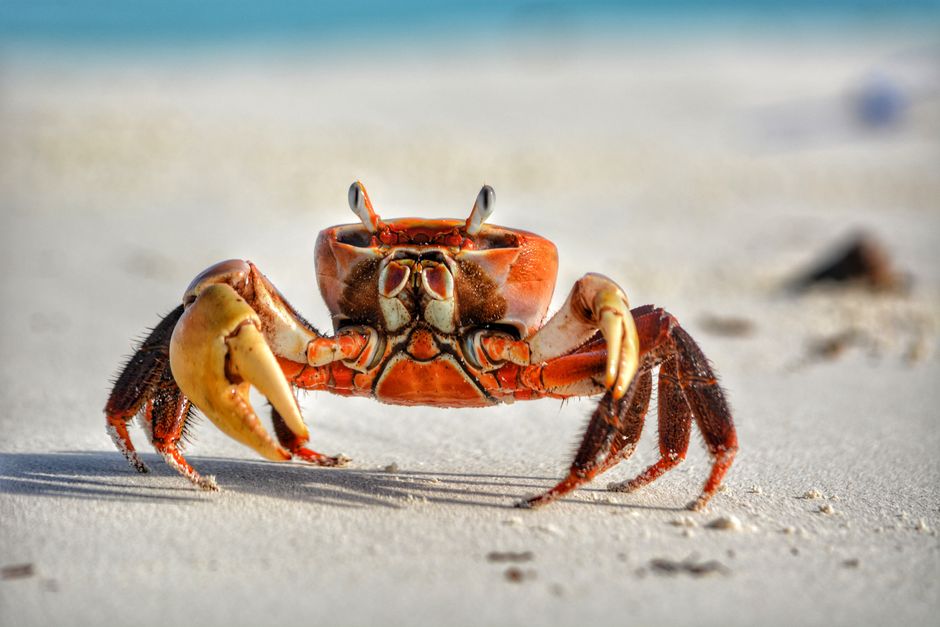
Preserving a crab claw for display comes down to three steps: clean it thoroughly, remove the soft tissue inside, and dry it completely before sealing it against moisture. The shell itself is mostly calcium carbonate and holds its shape and color well once it is clean and dry. Almost every failed claw display fails for the same reason — leftover meat or trapped moisture.
Whether you boiled the crab for dinner or found a clean claw on the beach, the method is similar. The differences are in how much cleaning the claw needs and how carefully you dry it.
How To Preserve A Crab Claw For Display?
The core job is removing everything that will rot. A crab claw is a hollow shell around muscle and connective tissue. If that tissue stays inside, it breaks down, smells, attracts insects, and can stain or weaken the shell.
There are two main approaches. One is to clean and dry the claw with the shell intact. The other is to open the claw, remove the meat, and rejoin or display the two halves. The intact method is simpler and works well for smaller claws. The opened method gives a cleaner result for large claws with thick meat.
For an intact claw, the basic sequence is:
- Remove as much soft tissue as possible through the openings at the joints.
- Rinse the inside with clean water until the water runs clear.
- Soak briefly in a mild cleaning solution if the claw still smells or looks cloudy inside.
- Dry the claw completely — air drying takes days to weeks depending on size and humidity.
- Seal the surface once dry to protect color and keep moisture out.
The drying step is where most people rush. A claw that feels dry on the outside can still hold moisture deep in the joints. Give it more time than you think it needs.
Should You Boil the Claw Before Preserving It?
Boiling is not required for preservation, but it changes the color. A raw crab shell is often dull greenish-brown or reddish-brown. Heat turns the shell red-orange through a well-understood chemical change in a pigment called astaxanthin, which is bound to protein in the live crab and released when the protein breaks down under heat.
If you want the classic red display claw, brief boiling or steaming achieves it. A short dip is usually enough to set the color. Longer cooking softens the shell and can make the meat harder to remove cleanly, so there is little benefit to overcooking a claw you plan to display.
If you found a dry, sun-bleached claw on the beach, it has already lost its soft tissue and much of its color. It needs cleaning and sealing but not boiling. Expect a faded, chalky look rather than a bright red one.
How Do You Clean Out the Inside of a Crab Claw?
Cleaning is the step that decides whether the display lasts. Work over a sink and use a small stiff brush, a pipe cleaner or thin wire, and tweezers.
Start at the open end where the claw attached to the leg. Pull out what you can with tweezers. Then flush the interior with running water, working the brush or pipe cleaner into the joints. Repeat until the water runs clear and no tissue comes out.
If the claw still smells after flushing, a short soak in a dilute solution of water and a small amount of dish soap can help lift residue. Rinse thoroughly afterward. Some people use a mild bleach solution for this step, but bleach can lighten the shell and is easy to overdo. If you use it, keep the dilution weak, soak briefly, and rinse very well. Bleach residue is not something you want on a display you handle.
For a large claw with thick meat, cutting a small opening along the back of the shell lets you remove the meat in one piece. You can glue the shell closed again after drying if you want a solid look.


How Long Does a Crab Claw Take to Dry?
Drying time depends on size, humidity, and airflow. A small claw in a dry, well-ventilated room may dry in several days. A large claw in humid conditions can take weeks.
Place the claw in a warm, dry spot with good air movement. Do not seal it in a bag or box while it is still damp. Trapped moisture is the main cause of mold, odor, and a cloudy look inside the shell.
Some people speed drying with a low oven or a food dehydrator. Both can work, but heat that is too high can crack or discolor the shell. Keep the temperature low and check often. If you are unsure, air drying is the safer choice.
A dry claw feels light and sounds hollow if you tap it gently. If it still feels heavy or cool, it likely holds moisture and needs more time.
How Do You Seal and Display a Preserved Crab Claw?
Once the claw is fully dry, a thin coat of clear sealant protects the surface and helps hold the color. A clear acrylic spray or brush-on craft sealant works well. Apply thin coats rather than one heavy layer, and let each coat dry fully.
Sealing does two things. It slows fading from light and air, and it keeps the shell from absorbing moisture from the air. It does not make a damp claw safe to display — seal only after drying is complete.
For display, mount the claw on a stable base or in a shadow box. Keep it out of direct sunlight, which fades color over time. Avoid very humid rooms like bathrooms. A dry, indoor spot away from strong light keeps a preserved claw looking good for years.
What Causes a Preserved Crab Claw to Smell or Fall Apart?
Almost always, the cause is tissue left inside or moisture trapped during drying. A claw that still has meat will eventually smell, attract pests, and can grow mold.
If a claw starts to smell after you have displayed it, the fix is to take it apart again. Re-clean the inside, dry it fully, and reseal. A claw that has already cracked or crumbled from moisture damage usually cannot be saved.
The other common problem is a shell that was sealed while still damp. Sealant traps the moisture inside, and the shell can cloud or soften over time. This is why the drying step matters more than the sealing step.
Frequently Asked Questions
Can you preserve a crab claw without boiling it?
Yes. Boiling only sets the red color; it is not required for preservation. A raw claw can be cleaned, dried, and sealed the same way.
How do you get the smell out of a crab claw?
The smell comes from tissue left inside, so the fix is to re-clean the interior and dry it fully. A short soak in dilute soapy water can help, but rinse well afterward.
Will a preserved crab claw keep its color?
It keeps its color best if you dry it fully, seal it, and keep it out of direct sunlight. Expect some fading over time, especially in bright light.
Can you preserve a crab claw you found on the beach?
Yes, if it is already clean and dry inside. Rinse off sand, let it dry completely, and seal it to protect the surface.
