
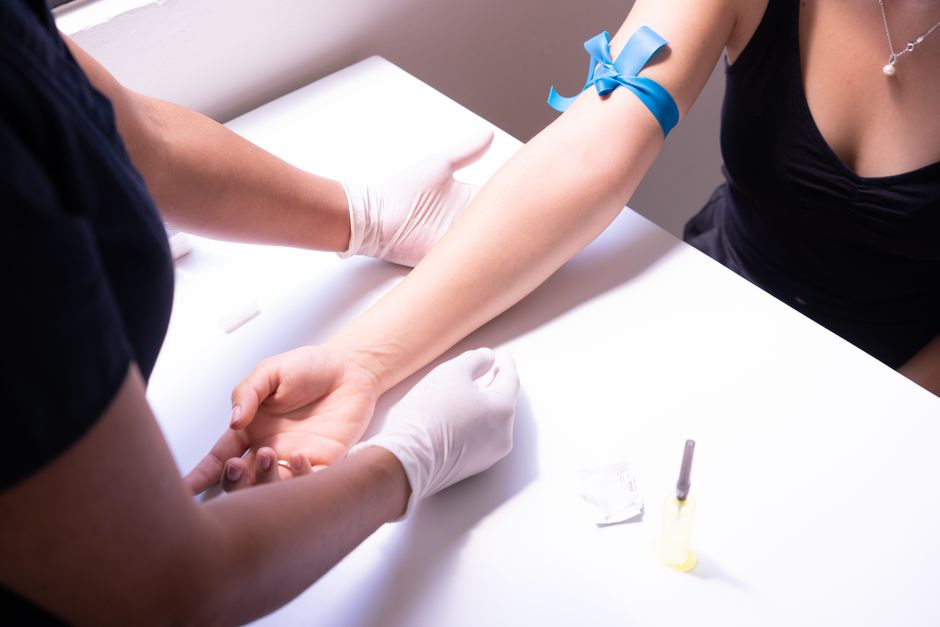
Getting blood work done is one of the most common medical tests in the United States, and how you prepare can change your results. For most routine tests, you should follow any fasting instructions your clinician gives you, stay well hydrated with water, take your usual medications unless told otherwise, and avoid strenuous exercise right before the draw. The single most important step is to ask your clinician or the lab exactly what preparation your specific tests require, because preparation rules differ from test to test.
How To Prepare When Getting Blood Work Done: The Basics
Preparation for blood work is not one set of rules. It depends entirely on which tests are ordered.
A basic metabolic panel and a lipid panel often call for fasting. A complete blood count usually does not. Thyroid tests generally do not require fasting. Your clinician’s office or the lab drawing the sample is the authority here, and the instructions can vary between labs for the same test.
When you get your order, ask three questions:
- Do I need to fast, and for how long?
- Can I drink water?
- Should I take my medications as usual?
Write the answers down. Memory is unreliable at 6 a.m. on the morning of a draw.
One detail people miss: fasting usually means no coffee, no tea, no juice, and no creamer. Black coffee is not water. Even a small amount of calories can move glucose and triglyceride readings. If you are unsure whether your morning drink counts as breaking a fast, treat it as if it does.
Do You Really Need to Fast for Blood Work?
Fasting is required for some tests and not others. This is a real distinction, not a formality.
Fasting matters most for tests that measure substances affected by what you recently ate or drank. Blood glucose and triglycerides are the classic examples. After a meal, glucose rises and triglycerides can rise substantially, which is why fasting is often requested before a lipid panel or a glucose test.
Fasting is not required for many other common tests. A complete blood count, which measures red cells, white cells, and platelets, is not meaningfully affected by a recent meal. Many thyroid tests, certain hormone tests, and some vitamin tests also do not require fasting, though individual labs may still ask for it.
If you eat when you were supposed to fast, tell the phlebotomist. Do not guess. A flagged result from a non-fasting sample can trigger repeat testing or unnecessary worry. Honesty here saves time and confusion.
How Long Should You Fast Before Blood Work?
Fasting windows are set by the test and the lab, not by a universal rule. Common fasting windows range from 8 to 12 hours, but the exact number depends on what is being measured.
Do not extend a fast longer than instructed. Fasting for much longer than requested can itself change some results, including certain metabolic markers. More is not better here.
If you take medications, the fasting question gets more complicated. Some medications need to be taken with food. Others should not be taken before certain tests. This is a conversation for your prescribing clinician, not a decision to make on your own. Never skip a prescribed medication before blood work without asking first.


Does Drinking Water Help Before a Blood Draw?
Drinking water before a blood draw is generally helpful and usually allowed, even when you are fasting. Staying hydrated can make the draw easier because it supports blood volume and can make veins easier to find.
Water is not the same as other drinks. Coffee, tea, soda, juice, and sports drinks can all contain calories or compounds that affect results. Plain water is the safe default unless your instructions say otherwise.
There is a limit. Drinking an excessive amount of water right before a draw is not helpful and is not recommended. Normal hydration is the goal, not overhydration.
What Should You Avoid Before Blood Work?
Several everyday habits can shift results, and knowing them helps you avoid a confusing reading.
Alcohol can affect liver enzymes and triglyceride levels. Many labs ask people to avoid alcohol for a period before certain tests. Follow whatever window your lab specifies.
Strenuous exercise can raise certain muscle and liver enzymes, and it can affect other markers too. A hard workout the morning of a draw is not ideal. Light activity is usually fine.
Smoking can affect several measurements, including some related to blood cells and certain chemistries. If you smoke, mention it, because it can matter for interpretation.
Some supplements and over-the-counter products can interfere with certain tests. Biotin is a well-known example that can interfere with some immunoassays, which are lab methods that use antibodies to measure substances. Tell the lab about any supplements you take, especially high-dose biotin.
None of this means you should stop a medication or supplement on your own. It means you should disclose what you take.
What About Medications Before a Blood Draw?
Most medications should be taken as usual before blood work, but there are exceptions, and the exceptions are specific to the drug and the test.
Blood pressure medications, thyroid replacement, and many others are typically continued. Some tests, however, require timing around a dose. For example, certain hormone levels are interpreted relative to when you last took a medication. Your clinician knows the timing rules for your specific regimen.
Never stop or change a prescription on your own before a blood draw. Call the prescribing office if you are unsure. This is one of the few areas where a quick phone call genuinely prevents problems.
Does the Time of Day Matter for Blood Work?
Timing matters for some tests more than others. Certain hormones follow a daily rhythm, so a sample drawn in the morning can read differently than one drawn in the afternoon.
Cortisol is the clearest example. Levels are typically highest in the early morning and fall through the day, which is why some cortisol testing is done at a specific time. If a test is time-sensitive, your order or the lab will say so.
For tests without a daily rhythm, time of day is less important, though many people still prefer morning appointments because they align with fasting windows and are easier to remember.
Practical Steps on the Day of Your Draw
A few simple habits make the appointment smoother.
- Bring your lab order and your insurance card.
- Bring a list of your medications and supplements.
- Wear a short-sleeved shirt or one with sleeves that roll up easily.
- Tell the phlebotomist if you have had fainting during past draws.
- Tell them about any fasting, medication, or hydration instructions you followed.
If you tend to feel lightheaded with needles, say so before the draw starts. Phlebotomists deal with this constantly and can adjust, such as having you lie down instead of sit. This is a well-established practice, not a special request.
After the draw, keep pressure on the site for as long as the phlebotomist advises, and avoid heavy lifting with that arm for a short time. Bruising is common and usually minor.
Common Mistakes That Affect Results
Most problems with blood work come from a small set of avoidable mistakes.
The most common is not fasting when the test required it, or fasting when it was not needed and then feeling unwell. The second is skipping a medication that should have been taken. The third is not mentioning supplements, especially biotin. The fourth is a hard workout right before the draw.
One less obvious point: a single abnormal result does not always mean something is wrong. Results are interpreted in context, and clinicians often repeat a test before drawing conclusions. This is normal and not a sign that something was missed.
Frequently Asked Questions
Can I drink water before blood work?
Yes, plain water is generally allowed and often encouraged, even when fasting is required. Avoid coffee, tea, juice, and anything with calories unless your instructions say otherwise.
What happens if I eat before a fasting blood test?
Tell the phlebotomist or your clinician that you ate, because the results may be affected. They may repeat the test or interpret the results with that in mind.
Should I take my medications before blood work?
Most medications should be taken as usual, but some tests require specific timing around a dose. Ask your prescribing clinician before changing anything.
Does exercise affect blood test results?
Strenuous exercise can raise certain muscle and liver enzymes and affect other markers. Light activity is usually fine, but avoid a hard workout right before your draw.
