
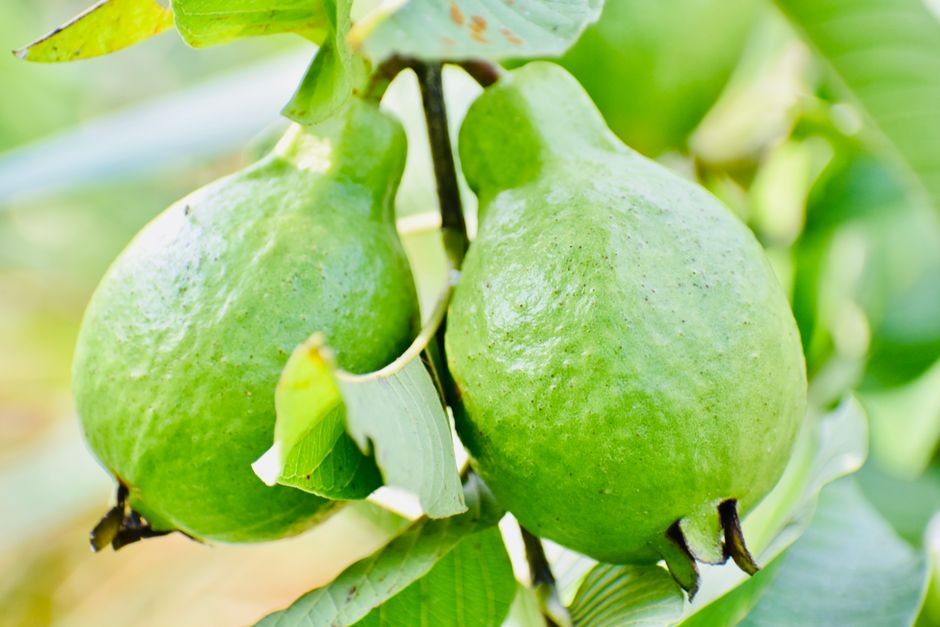
Guava leaf tea is simple to make from either fresh or dried leaves, and both methods start with clean leaves and hot water. For fresh leaves, rinse them well, bruise them slightly, and steep them in just-boiled water for 5 to 10 minutes. For dried leaves, use about one tablespoon of crumbled leaves per cup and steep for the same amount of time. The tea has a mild, slightly earthy flavor and is often used for its potential digestive benefits, though the evidence for many health claims remains limited.
Why Do People Drink Guava Leaf Tea?
Guava leaves have been used in traditional medicine across Asia, Africa, and Latin America for generations. People commonly brew them for stomach complaints, diarrhea, and as a general health tonic. The leaves contain plant compounds called polyphenols and flavonoids, which have antioxidant properties.
Some small studies have looked at whether guava leaf tea can lower blood sugar after meals or reduce diarrhea symptoms. The results are interesting but not conclusive. No large clinical trials have confirmed these effects in humans. If you are considering guava leaf tea for a specific health condition, it is reasonable to try it as a beverage, but it should not replace medical treatment.
How To Prepare Guava Leaf Tea Fresh Or Dried
Start by deciding which form you have. Fresh leaves are more aromatic and give a slightly greener flavor. Dried leaves are more convenient and store well for months. Both work fine.
For fresh leaves:
- Pick 4 to 6 medium-sized leaves from a healthy guava tree.
- Rinse them thoroughly under running water to remove dust and any residue.
- Stack the leaves and roll them together, then slice them into thin ribbons. This releases more flavor.
- Place the leaves in a mug or teapot.
- Pour 1 cup (about 240 mL) of water that has just come to a boil over the leaves.
- Cover and steep for 5 to 10 minutes. Longer steeping gives a stronger, more bitter tea.
- Strain and drink warm. You can add honey or lemon, though plain is traditional.
For dried leaves:
- Use 1 tablespoon of crumbled dried leaves per cup of water.
- Place the leaves in a tea infuser or directly in your cup.
- Pour boiling water over them.
- Steep for 5 to 10 minutes with a cover to keep the heat in.
- Strain and serve.
You can reuse the leaves once. The second steeping will be milder but still pleasant.
How To Dry Guava Leaves At Home
If you have access to a guava tree, drying your own leaves is easy. Pick young, unblemished leaves. Wash them and pat them completely dry with a clean towel. Spread them in a single layer on a baking sheet or drying rack.
You have three options for drying. Air drying takes 1 to 2 weeks in a dry, dark place with good airflow. A food dehydrator set to the lowest temperature works in 4 to 6 hours. An oven on its lowest setting, usually around 170°F (about 75°C), with the door slightly open, can dry them in 2 to 3 hours. Check frequently to prevent scorching.
Leaves are fully dry when they crumble easily between your fingers. Store them in an airtight glass jar away from light and moisture. Properly dried leaves keep their quality for about a year.





What Does Guava Leaf Tea Taste Like?
The flavor is mild and slightly bitter, with a faint grassy note. Some people describe it as similar to green tea but softer. The bitterness increases with longer steeping or if you use older, tougher leaves.
If the taste is too strong for you, steep for a shorter time or use fewer leaves. Adding a slice of lemon or a small amount of honey balances the bitterness well. Some people combine guava leaves with mint or ginger for a more complex flavor.
Does Guava Leaf Tea Have Caffeine?
No. Guava leaves come from a fruit tree, not the tea plant. They contain no caffeine. This makes guava leaf tea a good option for people who want a warm, soothing beverage in the evening without worrying about sleep disruption.
You can drink it at any time of day without the stimulant effects associated with coffee or regular tea.
Potential Health Benefits And What The Evidence Says
The most studied potential benefit of guava leaf tea is its effect on blood sugar. Several small human studies have found that drinking guava leaf tea after a meal may reduce the post-meal rise in blood glucose. The proposed mechanism is that compounds in the leaves may slow the absorption of carbohydrates from the digestive tract. However, these studies were small and short-term. No long-term trials have shown that guava leaf tea helps manage diabetes or prediabetes.
Some research has also looked at guava leaves for diarrhea. Traditional use is widespread, and laboratory studies show antibacterial activity against some diarrhea-causing organisms. Clinical evidence in humans is limited, but the tea is generally considered safe to try for mild digestive upset.
There is no reliable evidence that guava leaf tea promotes weight loss, cures infections, or improves skin conditions. Marketing claims that suggest otherwise go beyond what research supports.
Are There Any Risks Or Side Effects?
Guava leaf tea is generally safe for most healthy adults when consumed as a beverage. No serious side effects have been reported in the scientific literature at typical tea-strength concentrations.
However, a few cautions apply. If you take medication for diabetes, drinking guava leaf tea could theoretically enhance the blood-sugar-lowering effect and cause hypoglycemia. Monitor your levels closely if you combine them. Pregnant and breastfeeding women should be cautious because no safety studies have been conducted in these populations. There are no clinical guidelines confirming safe use during pregnancy.
People with allergies to guava fruit may also react to the leaves. If you notice itching, swelling, or breathing difficulty after drinking the tea, stop and seek medical attention.
Fresh Or Dried: Which Is Better?
Neither form is clearly superior. Fresh leaves have a brighter flavor and slightly higher levels of some volatile compounds that contribute to aroma. Dried leaves are more concentrated by weight, so you need less of them, and they are available year-round.
The choice comes down to convenience. If you have a guava tree or easy access to fresh leaves, use those. If not, good-quality dried guava leaves are widely available from herbal suppliers and some grocery stores. Just make sure you buy from a reputable source that labels the product for food use.
Common Mistakes When Making Guava Leaf Tea
One frequent error is using water that is not hot enough. Guava leaves need near-boiling water to release their compounds effectively. Water below about 200°F (about 93°C) will produce a weak, watery tea.
Another mistake is steeping too long. Leaving the leaves in hot water for more than 15 minutes makes the tea excessively bitter and astringent. Stick to the 5 to 10 minute window.
Finally, some people use leaves that have been treated with pesticides. If you are foraging leaves yourself, only pick from trees you know have not been sprayed. Wash all leaves thoroughly before use.
Frequently Asked Questions
Can I drink guava leaf tea every day?
Yes, drinking one to two cups daily is generally considered safe for healthy adults. If you take diabetes medication or are pregnant, talk to your doctor first.
How long should I steep guava leaves?
Steep for 5 to 10 minutes for the best balance of flavor and strength. Longer steeping increases bitterness without adding proven benefits.
Can I use guava leaves from any guava tree?
Use leaves only from trees you know have not been treated with pesticides or chemicals. Wash them thoroughly before brewing.
Does guava leaf tea help with stomach problems?
Traditional use and some small studies suggest it may help with mild diarrhea and digestive discomfort. Clinical evidence is limited, and it should not replace medical treatment for serious symptoms.
