
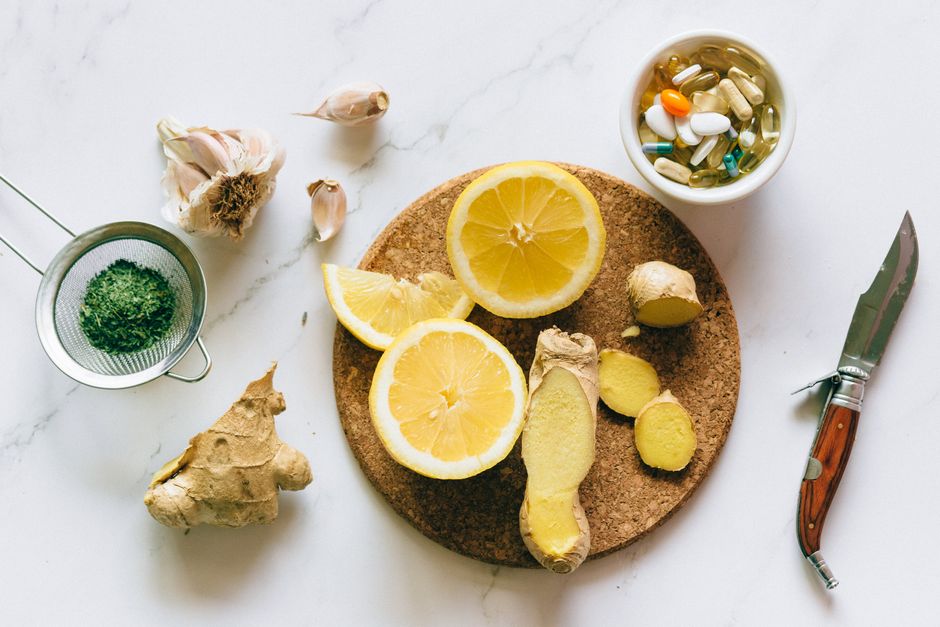
Ginger, garlic, turmeric, and lemon can be combined into four simple preparations: a warm tea, a cold infusion, a honey-based paste, and a cooked base for soups or rice. Each method suits a different daily routine. None of them is a cure for anything. What they offer is a practical way to include four well-studied foods in your diet, with real flavor and modest nutritional value.
The ingredients are cheap and easy to find. The main things to get right are proportions, heat, and storage. Below is how each method works, what the evidence actually supports, and where common claims about this combination go too far.
What Do Ginger, Garlic, Turmeric, and Lemon Actually Do?
Each ingredient has a real body of research behind it, and each has been oversold. Knowing the difference helps you use them sensibly.
Ginger contains gingerols and related compounds. Some studies suggest ginger can reduce nausea, including morning sickness and motion sickness, though results vary by dose and form. Ginger also appears to have mild anti-inflammatory effects. It is not a treatment for arthritis or any chronic disease.
Garlic contains allicin, a sulfur compound formed when garlic is crushed or chopped. Allicin is unstable and breaks down quickly with heat. Some research indicates garlic may have modest effects on blood pressure and cholesterol, but the size of the effect in trials is small. Garlic is not a substitute for blood pressure medication.
Turmeric contains curcumin, which has been studied for anti-inflammatory activity. Here is the non-obvious part most articles skip: curcumin is poorly absorbed on its own. Black pepper contains piperine, which can increase curcumin absorption substantially, and fat also helps. This is why traditional preparations often pair turmeric with pepper and oil. The clinical evidence for turmeric in treating disease is limited. No large human trial has confirmed it prevents or treats cancer, arthritis, or dementia.
Lemon provides vitamin C and citric acid. One lemon supplies a meaningful share of daily vitamin C, though exact amounts vary by size and variety. Lemon adds flavor and acidity, which matters more than any single nutrient claim.
None of these four foods is medicine in the regulatory sense. They are foods with some documented biological activity. The combination does not create a synergy that science has confirmed. No study has tested this specific four-ingredient blend as a unit.
How To Prepare Ginger Garlic Turmeric And Lemon 4 Ways?
The four methods below differ mainly in temperature and form. Choose based on how you will use the mixture and how long you need it to last.
Method 1: Warm Tea
This is the most common preparation and the easiest to make daily.
- Grate or thinly slice about one inch of fresh ginger.
- Crush one small garlic clove and let it sit for a few minutes before using. This allows allicin to form.
- Add a quarter teaspoon of ground turmeric, or a small piece of fresh turmeric.
- Pour hot water over the ingredients and steep for five to ten minutes.
- Add lemon juice and a pinch of black pepper after steeping, not before.
Two practical notes. Adding lemon after steeping preserves vitamin C, which degrades with prolonged heat. Adding pepper at the end keeps its aroma and supports curcumin absorption. Strain before drinking if you prefer a clear tea.
Garlic in hot water tastes strong. If the flavor is too much, use half a clove or skip the garlic in the tea and get it elsewhere in your meals.
Method 2: Cold Infusion
Cold water extracts different compounds than hot water and preserves vitamin C better. This method suits people who want a milder drink.
- Combine grated ginger, crushed garlic, and turmeric in a jar of cold water.
- Refrigerate for several hours or overnight.
- Strain and add fresh lemon juice just before drinking.
Cold infusion extracts less from the ingredients than heat does, so the flavor is gentler and the yield of active compounds is lower. That is a trade-off, not a flaw. Keep it refrigerated and use within a day or two, since fresh garlic in water is not a stable environment.
Method 3: Honey Paste
A paste concentrates the ingredients and keeps longer than a liquid preparation.
- Mince or grate equal small amounts of ginger, garlic, and fresh turmeric.
- Mix into honey until you have a thick paste.
- Stir in a small amount of black pepper.
- Store in a sealed jar in the refrigerator.
Honey is not safe for infants under one year due to the risk of botulism spores. This preparation is for adults and older children only. The paste is strong; a small spoonful stirred into warm water or tea is enough. Do not add it to boiling liquid, which dilutes the point of making a paste.
Method 4: Cooked Base for Soups and Rice
This is the most food-like use and probably the most sensible for daily eating.
- Sauté minced ginger and garlic in a little oil until fragrant.
- Add turmeric and black pepper and stir briefly.
- Add to soup, lentils, rice, or vegetables during cooking.
- Finish with lemon juice off the heat.
Heat reduces allicin in garlic, so some of garlic’s more studied compounds are diminished by cooking. You still get flavor, and the turmeric-fat-pepper combination works well here. If garlic’s potential benefits matter to you, use some raw garlic elsewhere in the day.
Does the Combination Have Proven Health Benefits?
No. There is no clinical evidence that this specific four-ingredient combination treats or prevents any disease.
Each ingredient has been studied separately, with mixed results depending on the condition and the form tested. Studies on garlic and blood pressure, for example, often use aged garlic extract or specific doses, not a spoonful of fresh garlic in tea. Results from those trials do not transfer automatically to home preparations.
This does not make the combination worthless. It is a pleasant, low-calorie way to add flavor and some nutrients to your day. It is not a substitute for medication, and it should not delay care for a real health problem.
One clarification worth stating plainly: biological plausibility is not the same as proven benefit. It makes sense that anti-inflammatory compounds might help inflammation. That reasoning alone does not establish that drinking this tea reduces disease risk. Only controlled trials can show that, and none have tested this blend.
What Are the Risks and Who Should Be Careful?
For most adults, these preparations are low-risk in normal food amounts. Some people should take care.
- Blood thinners. Garlic and ginger can both have mild antiplatelet effects. If you take warfarin, aspirin, or another anticoagulant, talk to your doctor before using large amounts of either, especially as concentrated supplements.
- Surgery. Some clinicians advise reducing high-dose garlic and ginger supplements before surgery because of bleeding concerns. Food amounts are generally not a concern, but tell your surgical team what you take.
- Stomach sensitivity. Garlic, ginger, and lemon can all irritate the stomach in some people. Start with small amounts.
- Acid reflux. Lemon and garlic are common triggers for reflux symptoms.
- Turmeric and gallstones. Turmeric may worsen symptoms in people with gallstones or bile duct blockage. Check with a doctor if you have a history of either.
- Infants. No honey for children under one year. No clinical guidelines exist for giving this combination to infants or young children.
If you take prescription medication, ask a pharmacist about interactions before making any of these a daily habit. This is especially true for blood thinners and diabetes medications.
How Should You Store These Preparations?
Storage matters more than most people expect, because fresh garlic and ginger in liquid spoil faster than you might think.
- Warm tea and cold infusion: refrigerate and use within one to two days.
- Honey paste: refrigerated in a sealed jar, it keeps for a week or more, though freshness declines over time.
- Cooked dishes: follow normal food safety rules and refrigerate leftovers promptly.
Make small batches. A fresh preparation made every few days is safer and tastes better than a large batch kept for weeks. Discard anything that smells off, looks cloudy, or has visible growth.
Ground turmeric loses potency over time. Store it in a sealed container away from light and heat. Fresh turmeric keeps in the refrigerator for a couple of weeks.
Frequently Asked Questions
Can I drink ginger garlic turmeric lemon tea every day?
Most healthy adults can drink it daily in normal food amounts. If you take blood thinners or have stomach sensitivity, talk to your doctor first.
Is it better to use fresh or powdered turmeric?
Fresh turmeric has a brighter flavor, but ground turmeric is more convenient and still contains curcumin. Either works, and pairing it with black pepper and a little fat supports absorption.
Does cooking destroy the benefits of garlic?
Heat reduces allicin, the compound most studied in garlic. Crushing garlic and letting it sit a few minutes before cooking helps preserve some, but raw garlic retains more.
Can children drink this tea?
Small food amounts are generally fine for older children, but no clinical guidelines exist for giving this combination to young children. Never give honey to a child under one year.
