
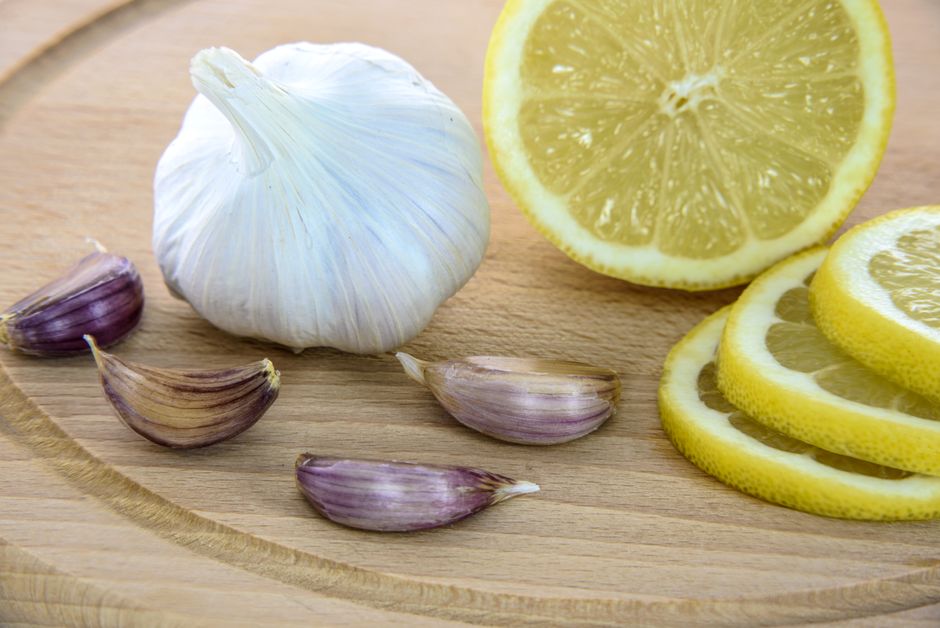
Garlic can be prepared for medicinal use in two main ways. Raw garlic is peeled, crushed, and chopped, then rested for about 10 minutes before eating so its active compounds can form. Aged garlic is made by soaking peeled cloves in an alcohol and water solution for months, which converts harsh sulfur compounds into milder ones. The right choice depends on what you want from it.
Garlic has been studied more than most kitchen ingredients. Some of that research is solid. Some of it is thin. This guide separates the two and explains how each preparation works, without the hype.
What Makes Garlic Medicinally Active?
Garlic’s main active compound is allicin. It is not present in a whole, intact clove. It forms only after the clove is damaged.
When you crush, chop, or chew garlic, an enzyme called alliinase mixes with a compound called alliin. That reaction produces allicin, the sulfur compound responsible for garlic’s sharp smell and much of its biological activity. Allicin is unstable. It breaks down within hours at room temperature and is largely destroyed by heat.
This is the key fact behind most garlic preparation advice. How you handle the clove determines how much allicin you actually get. A whole clove swallowed intact delivers very little. A clove crushed and eaten raw delivers the most.
Garlic also contains other sulfur compounds, including S-allyl cysteine and various thiosulfinates. These matter too, especially in aged preparations where allicin is largely gone but other compounds remain.
How Do You Prepare Raw Garlic For Medicinal Use?
Raw garlic gives you the highest allicin yield of any preparation. The method is simple, but the timing matters.
- Peel the clove and remove any green sprout in the center, which can taste bitter.
- Crush it with the flat of a knife or a garlic press.
- Chop it finely to expose more surface area.
- Let it sit for about 10 minutes before eating or mixing into food.
That resting period is not folklore. The alliinase reaction takes a few minutes to peak. Giving crushed garlic time before you eat it or add it to a hot dish allows allicin to form first. If you cook crushed garlic immediately, the heat inactivates the enzyme before it can do its work.
If you want raw garlic in a cooked dish, add it at the end, off the heat, after the resting period. You will keep more of the active compounds, though some will still be lost.
How much raw garlic is typically used?
There is no official medicinal dose of raw garlic. Some clinical studies have used roughly one clove to a few cloves per day, often in the range of a few grams of fresh garlic. That is a general research range, not a recommendation.
Raw garlic is strong. Eating several cloves at once commonly causes heartburn, mouth burning, and stomach upset. Start with less than you think you need.
How Is Aged Garlic Made?
Aged garlic extract is made by slicing or peeling fresh garlic and soaking it in a solution of alcohol and water for an extended period, typically many months. The exact process varies by manufacturer.
During that long soak, the harsh, unstable sulfur compounds break down. Allicin, which is so central to raw garlic, is largely converted into other compounds. The result is a milder product with less odor and a different chemical profile.
The main compound studied in aged garlic extract is S-allyl cysteine, which is water-soluble and more stable than allicin. This is why aged garlic supplements can be standardized in a way raw garlic cannot. A capsule can state a consistent amount of a stable compound. A raw clove cannot.
You cannot realistically make aged garlic extract at home the way commercial producers do. The process requires controlled conditions and months of time. Most people who want aged garlic buy a standardized supplement instead.
Raw vs Aged Garlic: How Do They Compare?
The two preparations are not interchangeable. They deliver different compounds, and the research on each is separate.
| Feature | Raw Garlic | Aged Garlic Extract |
|---|---|---|
| Main active compound | Allicin (unstable) | S-allyl cysteine (stable) |
| Odor | Strong | Minimal |
| Digestive tolerance | Often causes upset | Generally better tolerated |
| Can be made at home | Yes | No, not practically |
| Standardized dosing | Difficult | Possible in supplements |
The honest position: raw garlic has more research behind it for some outcomes, aged garlic for others. Neither has been proven to cure disease. Both have been studied for effects on blood pressure, cholesterol, and other markers, with mixed and often modest results.
What Does the Evidence Actually Show?
Garlic research is real but uneven. Here is where things stand.
Blood pressure. Some studies and reviews suggest garlic, including aged garlic extract, may produce small reductions in blood pressure in people with hypertension. The effects are generally modest, not comparable to blood pressure medication. Results across trials vary.
Cholesterol. Early enthusiasm has cooled. More rigorous trials have found smaller effects on cholesterol than earlier studies suggested. The evidence is mixed, and any effect appears modest.
Immune function and colds. A small number of older trials suggested raw garlic might reduce cold frequency. The evidence is limited and has not been strongly confirmed in larger studies.
Cancer. Some observational research has looked at garlic consumption and cancer risk. Observational studies cannot prove cause and effect, and no clinical trial has shown that garlic prevents cancer. This remains an area of research, not an established benefit.
One clarification worth making: a plausible mechanism does not prove a clinical benefit. Allicin has shown antimicrobial and antioxidant activity in laboratory studies. That does not mean eating garlic treats infections in people. Lab results and human outcomes are different things.
What Are the Risks and Cautions?
Garlic is generally safe for most people when eaten as food. Higher intakes, especially raw, carry real downsides.
- Digestive upset, heartburn, and mouth irritation from raw garlic
- Bad breath and body odor, which can persist for hours
- Increased bleeding risk, which matters for people on blood thinners or facing surgery
- Possible interactions with some medications, including certain blood thinners
If you take anticoagulant or antiplatelet medication, or have a bleeding disorder, talk to your clinician before taking garlic in concentrated or supplemental form. Garlic can increase bleeding risk. This is a genuine concern, not a theoretical one.
Garlic supplements can also interact with some HIV medications and other drugs by affecting how the body processes them. Check with a pharmacist if you take prescription medication.
For pregnancy and breastfeeding, garlic as a normal food ingredient is considered fine. There are no established clinical guidelines for medicinal or supplemental garlic use during pregnancy or breastfeeding. Do not assume a supplement is safe just because the food is.
Which Preparation Should You Choose?
There is no single best answer, because the two preparations serve different purposes and the evidence for each is limited.
If your goal is the highest allicin content and you tolerate raw garlic, the raw method is straightforward. Crush, rest, and eat. Keep the amount modest.
If raw garlic upsets your stomach or you want a standardized, low-odor product, aged garlic extract is the practical alternative. It is well tolerated by most people, though it is not proven to treat any condition.
Neither preparation is a substitute for medical treatment. If you have high blood pressure, high cholesterol, or another condition, garlic is at most a small addition to proven care, not a replacement for it.
Frequently Asked Questions
Should you let crushed garlic sit before eating it?
Yes. Letting crushed or chopped garlic rest for about 10 minutes allows the enzyme reaction that forms allicin to peak. Eating it immediately, or cooking it right away, reduces how much allicin forms.
Does cooking garlic destroy its medicinal benefits?
Heat largely inactivates the enzyme that produces allicin, so cooked garlic contains less of it. Adding crushed garlic at the end of cooking, after a short rest, preserves more of its active compounds.
Is aged garlic extract the same as raw garlic?
No. Aged garlic has little allicin; its main studied compound is S-allyl cysteine, which is more stable. The two deliver different compounds and should not be treated as interchangeable.
Can garlic replace blood pressure medication?
No. Some studies suggest garlic may produce small blood pressure reductions, but these are modest and not comparable to medication. Never stop or change prescribed medication without talking to your clinician.
