
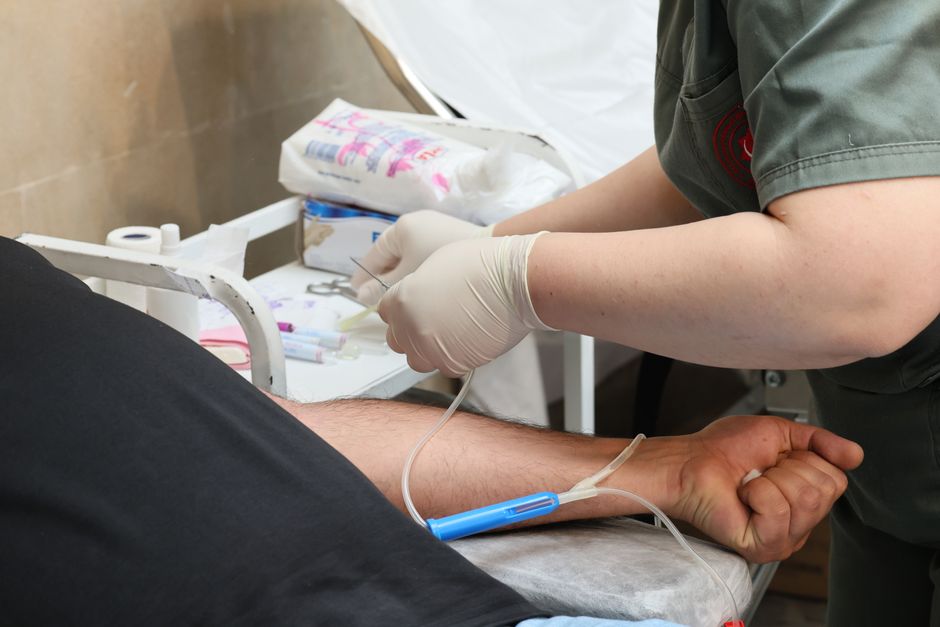
Getting a birth control implant is a straightforward procedure, but knowing what to do beforehand and how to care for your arm afterward makes the process much smoother. Preparation is mostly about timing, pain management, and knowing what to expect. Aftercare focuses on keeping the insertion site clean and recognizing the signs of a normal recovery versus a problem. Here is a practical guide to preparing for your Nexplanon insertion and managing the aftercare correctly.
What Is the Nexplanon Insertion Procedure Actually Like?
The entire procedure is quick, usually taking less than five minutes from start to finish. A clinician numbs the inner side of your upper arm with a local anesthetic injection, which stings briefly. Once the area is numb, they use a special applicator to place the thin, matchstick-sized rod just under the skin.
You will be awake the whole time. Most people feel pressure but no sharp pain during the actual insertion. After the rod is placed, the clinician will apply a pressure bandage to prevent bruising. You will feel a small prick when the anesthetic is injected, and that is typically the most uncomfortable part of the entire visit.
Knowing this sequence helps reduce anxiety. The procedure is not surgical. It does not require stitches, and you do not need general anesthesia.
How To Prepare For Nexplanon Insertion And Aftercare: The Week Before
Most of the preparation is administrative and practical. You do not need to fast or stop eating. There are no dietary restrictions before the appointment.
Schedule your appointment during the first five days of your menstrual cycle if you want immediate pregnancy protection. If you get the implant at any other time in your cycle, your clinician will likely advise you to use a backup method like condoms for seven days. If you are switching from another hormonal method, the timing rules change, so ask your clinician for the specific instructions for your situation.
Arrange for a ride home if you feel anxious about procedures. While most people can drive themselves, having someone available reduces stress. Wear a loose-fitting shirt with short sleeves or a top you can easily roll up. The insertion site needs to be accessible, and tight sleeves will rub against the bandage afterward.
Fill any prescriptions ahead of time. Your clinician may recommend an over-the-counter pain reliever, but you should ask specifically about which one is safe for you. Ibuprofen and acetaminophen are common options, but your medical history determines what is appropriate. Do not take aspirin before the procedure unless your clinician specifically instructs it, as it can increase bleeding and bruising.
What Happens Immediately After Insertion
You will leave the office with a pressure bandage on your arm. This bandage stays in place for 24 hours. Underneath it, there is typically a smaller adhesive strip covering the tiny puncture wound.
Keep the pressure bandage dry for the first 24 hours. Do not shower for the first day unless you can keep the bandage completely dry. After 24 hours, you can remove the pressure bandage, but leave the smaller adhesive strip in place.
Bruising is normal. Many people develop a black-and-blue mark around the insertion site that can spread down the arm over a few days. This is a common response to the procedure and usually fades within one to two weeks. Some swelling is also expected.
You can use an ice pack wrapped in a cloth for 15-minute intervals during the first day to reduce swelling. Never place ice directly on the skin.




How To Care For The Site During The First Week
The small adhesive strip over the insertion point should stay clean and dry for at least three to five days. You can shower after the first 24 hours, but avoid soaking the arm in a bath, pool, or hot tub until the strip falls off on its own.
Do not scrub the area. Let water run over it gently. Pat it dry with a clean towel rather than rubbing it.
Keep the arm dry during exercise. Sweat can irritate the wound. Avoid heavy lifting, intense upper-body workouts, or any activity that strains the arm muscles for the first 48 hours. After that, you can gradually return to normal activity as comfort allows.
Watch for signs of infection. Redness spreading beyond the immediate insertion area, warmth, worsening pain, or discharge that looks like pus are all reasons to call your clinician. A small amount of clear fluid or spotting on the bandage is not unusual, but thick yellow or green drainage is not normal.
What To Expect In The First Few Months
The most common side effect of the implant is unpredictable bleeding. Your periods may become lighter, heavier, longer, or irregular. Some people stop having periods entirely. Others experience frequent spotting. This irregularity is the most common reason people choose to remove the implant, so knowing about it beforehand helps set realistic expectations.
Bleeding patterns often settle after the first three to six months, but not always. If the bleeding bothers you, talk to your clinician. There are medical options to manage it, but you should never adjust your implant on your own.
You should be able to feel the implant under your skin. After the bruising and swelling resolve, run your fingers along the inner arm. The rod feels like a small, firm matchstick. If you cannot feel it at any point, or if it feels like it has moved, use a backup birth control method and contact your clinician promptly. A non-palpable implant requires imaging to confirm its location.
When Should You Call The Clinician?
Some symptoms require immediate medical attention. Severe pain that does not improve with over-the-counter medication is not normal. Numbness or tingling in the fingers or hand that persists beyond the first day warrants a call. Fever, chills, or increasing redness around the site are warning signs.
If you think you might be pregnant after the implant is placed, take a home pregnancy test and contact your clinician. While the implant is highly effective, no method is perfect, and it is important to address the possibility directly.
If the implant breaks, bends, or you cannot feel it, do not panic. The risk of it traveling to the lungs or heart is extremely rare, but you should use a backup method and schedule an appointment for evaluation.
Long-Term Maintenance and Removal
Nexplanon is approved for up to three years of continuous use. After three years, it must be removed and replaced if you want to continue using this method. The removal procedure is similar to insertion. The clinician numbs the area, makes a tiny incision, and pulls the rod out. The scar is usually very small.
You do not need to do anything special to maintain the implant. It works continuously. There are no daily tasks, no refills, and no pills to remember. That is the primary advantage of this method.
If you decide you want to become pregnant or simply want the implant removed earlier, the process is the same. Fertility returns quickly after removal, usually within one cycle, but the exact timing varies by individual.
Does The Implant Affect Your Daily Life?
You can exercise, swim, and lift weights once the insertion site heals. The implant does not limit physical activity. It does not interact with most medications, but certain drugs can reduce its effectiveness. These include some seizure medications, the herbal supplement St. John’s Wort, and certain HIV medications. Always tell your clinician about every medication and supplement you take.
The implant does not protect against sexually transmitted infections. Only condoms provide that protection. This is a critical point that is often overlooked in discussions about long-acting reversible contraception.
Frequently Asked Questions
Does getting Nexplanon inserted hurt?
The local anesthetic injection stings for a few seconds, and you may feel pressure during insertion, but the procedure itself is not considered painful once the area is numb. Most people rate the discomfort as mild and brief.
How long does the arm hurt after Nexplanon insertion?
Soreness and bruising typically last for a few days to one week. Severe pain lasting longer than that is not typical and should be evaluated by a clinician.
Can I shower the same day as Nexplanon insertion?
You should keep the pressure bandage dry for the first 24 hours. After that, you can shower, but keep the small adhesive strip dry until it falls off on its own.
How soon is Nexplanon effective for pregnancy prevention?
If inserted within the first five days of your menstrual cycle, it is effective immediately. If inserted at any other time, use a backup method like condoms for seven days.
