
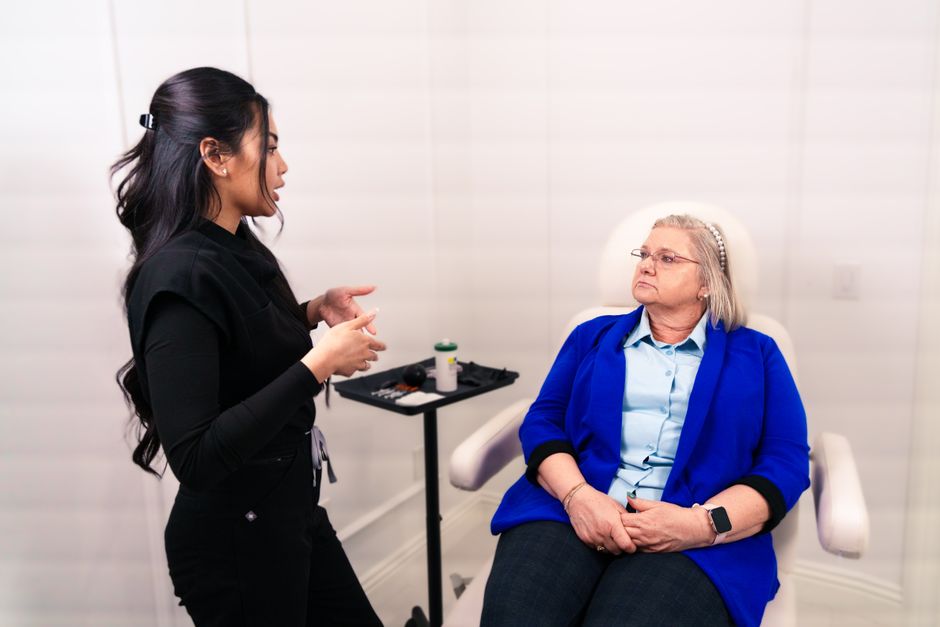
Getting lip filler is a medical procedure, not just a beauty treatment. How you prepare in the days before your appointment can affect your results, your comfort, and your risk of side effects. The most important steps are simple: stop certain medications and supplements, avoid alcohol, stay hydrated, and know exactly what to ask your injector. Preparation is about safety first and appearance second.
Why Preparation Matters for Your Lip Filler Appointment
Lip filler is injected into a highly sensitive area with many blood vessels. The skin there is thin, and the tissue swells easily. When you prepare properly, you reduce the chance of excessive bruising, swelling, and bleeding during the procedure.
Your injector needs a clear view of your natural lip shape and structure. Certain substances cause fluid retention or thin your blood. Both can make the procedure harder to perform accurately and can hide your natural anatomy. Preparation helps your injector place the filler precisely, which leads to a more balanced result.
Medications and Supplements to Stop Before Lip Filler
Some common medications and supplements increase bleeding and bruising. You should stop taking them before your appointment, but only if your doctor approves. Never stop prescribed medication without talking to your prescribing physician first.
The main group to avoid are blood thinners. These include prescription medications like warfarin, clopidogrel, and apixaban. Many people also take over-the-counter pain relievers that thin the blood. Ibuprofen, aspirin, and naproxen all increase bleeding risk. Acetaminophen is generally considered safer because it does not affect blood clotting the same way.
Supplements can be just as problematic. The most common ones to avoid include:
- Fish oil and omega-3 supplements
- Vitamin E in high doses
- Ginkgo biloba
- Garlic supplements
- Ginseng
- St. John’s Wort
Most clinicians recommend stopping these products about one week before your appointment. Some blood thinners require more time. Ask your injector or your prescribing doctor for specific guidance based on what you take.
If you take a blood thinner for a medical condition like atrial fibrillation or a previous blood clot, do not stop it on your own. Have a conversation with your injector and your doctor about the risks and benefits. In some cases, the procedure may need to be adjusted rather than stopping your medication.
Alcohol and Smoking: What to Avoid Before Lip Filler
Alcohol thins the blood and dehydrates you. Both effects are bad for a lip filler appointment. Alcohol increases the risk of bruising and swelling. It also makes you more likely to feel lightheaded during the procedure.
Most injectors recommend avoiding alcohol for at least 24 to 48 hours before your appointment. Some recommend a full week. The longer you avoid it, the lower your bruising risk.
Smoking affects your skin and circulation. Nicotine constricts blood vessels, which can affect how the filler settles. Smoking also slows healing. If you smoke, your injector may advise you to stop for several days before and after the procedure. Vaping and nicotine patches have similar effects on blood vessels.



Hydration and Diet Before Your Lip Filler
Hydrated skin responds better to filler. When your body is well hydrated, the lips have more natural volume and the skin is more elastic. This makes it easier for the injector to work and can improve how the filler looks.
Drink plenty of water in the 24 to 48 hours before your appointment. Avoid salty foods, which cause fluid retention and bloating. Fluid retention can distort your natural lip shape and make the final result harder to judge.
Caffeine is a mild diuretic, meaning it makes you lose water. A morning coffee is usually fine, but heavy caffeine intake in the day before your appointment can dehydrate you. Some injectors recommend limiting caffeine on the day of the procedure.
Schedule Your Appointment at the Right Time
Timing your appointment matters more than most people realize. Lip filler causes swelling that peaks at about 24 to 48 hours after the injection. The swelling then gradually goes down over the next week.
Do not book your appointment right before a major event. Give yourself at least two weeks before any important occasion. This allows the swelling to fully resolve and the filler to settle into its final position. You should also avoid scheduling during a cold sore outbreak or within a week of having one.
If you get cold sores, talk to your injector. Lip injections can trigger an outbreak in people who carry the herpes simplex virus. Some clinicians prescribe antiviral medication to take before the procedure to reduce this risk.
What to Ask Your Injector Before the Appointment
Your preparation should include doing your research on the person performing the procedure. Lip filler should only be administered by a licensed medical professional. This includes physicians, nurse practitioners, physician assistants, and registered nurses with appropriate training.
Ask these questions before you book:
- What type of filler do you use?
- How long have you been performing lip injections?
- What is your complication rate with this specific procedure?
- Do you have before and after photos of your own patients?
- What happens if I have a complication after the appointment?
Hyaluronic acid fillers are the most common type used for lips. They are reversible. An enzyme called hyaluronidase can dissolve them if there is a problem. This is an important safety feature to confirm your injector has available.
Do not choose an injector based on price alone. The cheapest option is rarely the safest. You are injecting a substance into your face. The skill of the injector directly affects your risk of complications like lumps, asymmetry, or vascular occlusion, which is a blockage of a blood vessel.
What to Do on the Day of Your Appointment
Arrive with a clean face. Do not wear heavy makeup on or around your lips. Your injector needs to see the natural skin and lip border clearly. Light moisturizer is usually fine, but lipstick and lip liner should be removed.
Eat a light meal before your appointment. Having food in your stomach helps prevent lightheadedness during the procedure. Avoid anything too salty, which causes fluid retention.
Bring your list of current medications and supplements with you. Your injector should review this before starting. If you forgot to stop something, tell them. It is better to reschedule than to proceed with an increased bleeding risk.
Some injectors offer numbing cream or use fillers that contain lidocaine, a local anesthetic. Ask about pain management before the procedure starts. This gives you time to discuss options without delaying the appointment.
What to Expect Immediately After Your Appointment
Your lips will be swollen and possibly bruised. This is normal. The swelling peaks at about 24 to 48 hours and then starts to go down. Your final results will not be visible until the swelling fully resolves, which usually takes about one to two weeks.
You can apply ice packs to reduce swelling, but do not press hard. Use a clean cloth between the ice and your skin. Avoid heat, saunas, steam rooms, and intense exercise for the first 24 to 48 hours. These increase blood flow and can worsen swelling.
Do not touch, massage, or press on your lips after the procedure unless your injector tells you to. Moving the filler before it settles can cause lumps or asymmetry. Sleep on your back with your head elevated for the first night if possible.
Contact your injector if you experience severe pain, skin discoloration that spreads, or blistering. These can be signs of a vascular complication that needs immediate medical attention. Do not wait to see if it improves on its own.
Frequently Asked Questions
How long before lip filler should I stop drinking alcohol?
Most injectors recommend stopping alcohol at least 24 to 48 hours before your appointment to reduce bruising and swelling. Some recommend a full week for the lowest risk.
Can I take ibuprofen before lip filler?
No, ibuprofen and other nonsteroidal anti-inflammatory drugs increase bleeding and bruising risk. Stop taking them about one week before your appointment if your doctor approves.
Should I get lip filler before a big event?
No, schedule your appointment at least two weeks before any important occasion. This allows swelling to resolve and the filler to settle into its final position.
Can I wear makeup to my lip filler appointment?
No, arrive with a clean face and no lipstick or lip liner. Your injector needs to see your natural lip border clearly to place the filler accurately.
