
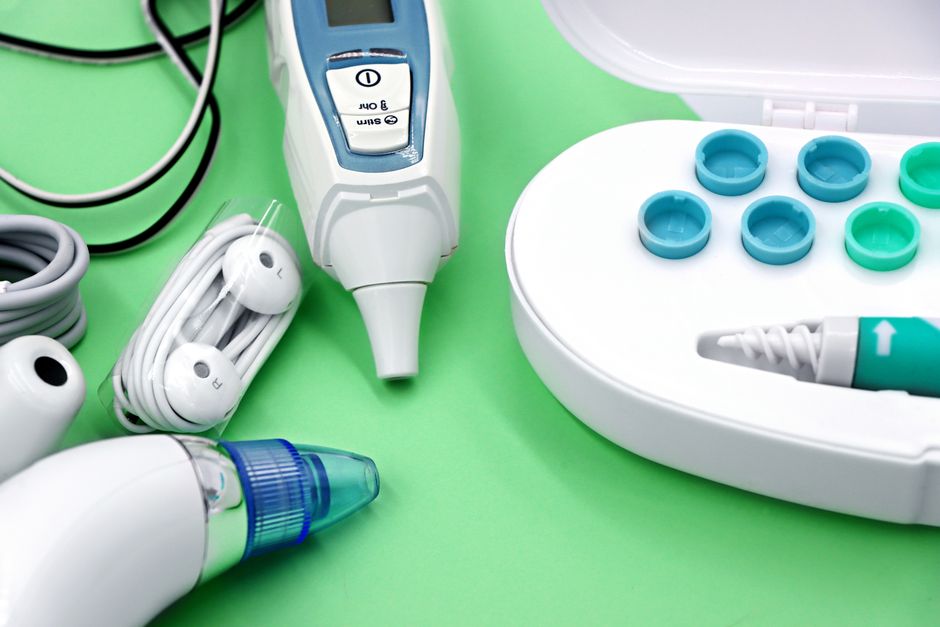
Preparing for a hearing test is straightforward. For most people, no special preparation is needed. Avoid loud noise for 12 to 24 hours before your appointment. Clean your ears gently with a washcloth on the outside. Do not use ear drops or ear candles unless your doctor specifically told you. Bring a list of any medications you take and write down questions or concerns you have about your hearing.
What Is a Hearing Test and Why Might You Need One?
A hearing test, also called an audiogram, measures how well you hear different sounds. An audiologist performs the test in a soundproof booth or quiet room. You wear headphones and press a button when you hear a tone. You also listen to speech at different volumes and repeat words back.
Adults often get a hearing test as part of a routine physical or if they notice changes. Signs you may need a test include asking people to repeat themselves, turning up the TV volume higher than others prefer, or having trouble following conversations in noisy places. Some workplaces require baseline hearing tests, especially in noisy industries. No single age triggers a mandatory screening, but many experts suggest a baseline test around age 50 and every few years after that.
How Do You Prepare for a Hearing Test?
Preparation is minimal. The most important step is to give your ears a rest from loud sounds. Loud music, power tools, or a concert within 24 hours can temporarily raise your hearing thresholds and give inaccurate results. If you know you will be exposed to noise, wear hearing protection.
Clean the outer ear with a damp cloth. Do not put anything inside your ear canal, including cotton swabs. They can push wax deeper. If you have a history of earwax buildup, tell the audiologist before the test. They may check your ears and, if needed, remove the wax safely. Do not use over-the-counter earwax removal drops in the days before the test unless a doctor directed it. Some drops can irritate the ear canal or leave residue that affects results.
Medications: Some drugs can temporarily affect hearing. These include high doses of aspirin, certain antibiotics, and some diuretics. You do not need to stop any medication. Just bring a list. The audiologist will note it and consider it when interpreting results. Also, if you have a cold, sinus infection, or ear infection, your hearing may be temporarily reduced. Reschedule if you are unwell, or tell the office so they can decide.
On the day of the test, avoid loud noise and try to be well rested. Fatigue can make it harder to concentrate during the speech portion. Arrive a few minutes early to complete any paperwork. Bring your insurance card and identification if needed.
What Happens During a Typical Hearing Test?
You sit in a quiet booth wearing headphones or earplugs. The audiologist plays tones at different pitches (frequencies) and volumes. You raise your hand or press a button each time you hear a sound, even if it is very faint. This part takes about 10 to 15 minutes per ear.
Next, you listen to words at different volumes and repeat them. This measures how clearly you hear speech. The audiologist may also test your middle ear function with a quick, painless test called tympanometry. A small probe sits in your ear canal and changes the air pressure. This checks if your eardrum moves normally.
An ear examination (otoscopy) is usually done first. The audiologist looks inside your ear canals with a light to check for wax, infection, or structural issues. The entire appointment typically lasts 30 to 60 minutes. There is no pain and no recovery time.



Can Earwax Affect Your Hearing Test Results?
Yes, earwax can block sound from reaching your eardrum. If you have a large wax buildup, your test results may show hearing loss that is not permanent. The audiologist will see the wax during otoscopy. They may ask you to come back after wax removal or proceed with caution, noting the wax in your report.
If you suspect wax buildup, do not try to remove it yourself. A clinician can safely remove it with irrigation, suction, or manual tools. Never use ear candles; they are not effective and can cause burns or injury. Some research suggests that using ear drops a few days before a test may soften wax, but only do this if your doctor recommends it.
How To Prepare For A Hearing Test What To Do? A Quick Summary
If you want a simple checklist: avoid loud noise for 24 hours, clean only the outer ear, do not use drops without advice, bring medication lists, and reschedule if you are sick. That is all you need. Do not stress. The test is easy and painless.
If you wear hearing aids, bring them to the appointment. The audiologist may test you with and without them to see how well they work. If you have a cochlear implant, bring any external processors. Also, alert the office in advance if you need an interpreter or have any mobility issues that make it hard to sit in the booth.
What Do the Results Mean and What Happens Next?
After the test, the audiologist explains your results. A standard audiogram shows a graph. The horizontal axis shows pitch (frequency) from low to high. The vertical axis shows volume in decibels. Normal hearing is generally between 0 and 25 decibels for adults. If your thresholds are higher, you have some degree of hearing loss.
Hearing loss is often described as mild, moderate, severe, or profound. Mild loss means you miss soft sounds but can hear normal conversation. Moderate loss means you struggle with normal conversation. Severe or profound loss means you rely on hearing aids or other devices to hear speech. The type of loss—sensorineural (nerve), conductive (middle ear), or mixed—guides treatment options.
If the test shows hearing loss, the audiologist discusses options. These may include hearing aids, assistive listening devices, or medical treatment for underlying causes like ear infections or otosclerosis. If the loss is sudden or only in one ear, you may need a referral to an ear, nose, and throat doctor (ENT) for further evaluation. Some hearing loss is not reversible, but many people benefit from amplification.
If your hearing is normal, you likely do not need another test for a few years unless symptoms change. Some experts recommend a follow-up every 3 to 5 years for adults over 50, but guidelines vary. Your audiologist will give personalized advice.
Frequently Asked Questions
Can I drive myself to a hearing test?
Yes. Hearing tests do not require sedation or affect your ability to drive. You can drive yourself home.
Should I avoid caffeine before a hearing test?
No. Caffeine does not affect hearing test results. You can have your normal coffee or tea.
How long does a hearing test take?
A standard hearing test takes about 30 to 60 minutes. The time depends on the number of tests performed.
Do I need to remove earrings or ear piercings?
You usually do not need to remove earrings. The headphones fit over most standard jewelry. If large hoops get in the way, you may be asked to take them off.
