
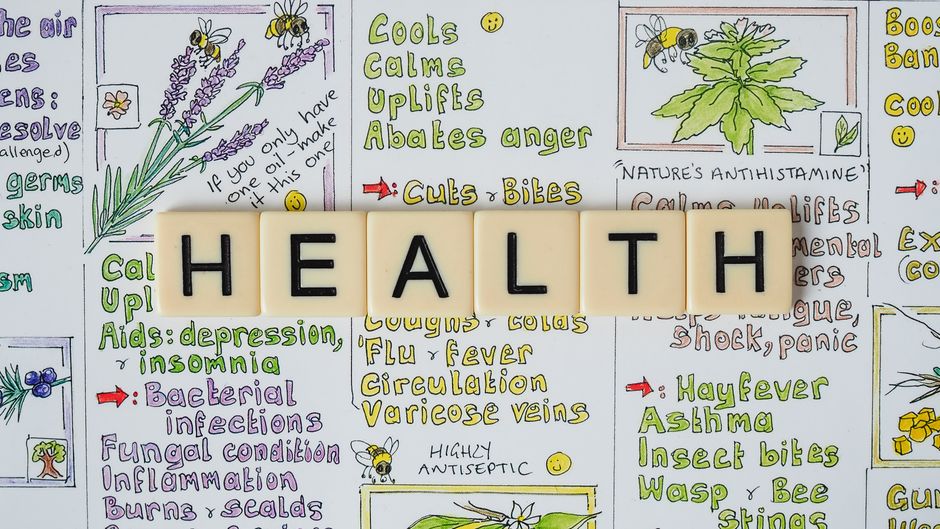
Preparing essential oil at home means extracting the aromatic compounds from plant material using one of several methods. Steam distillation is the most established technique and the one used by commercial producers. Simpler methods like cold pressing and infusion work for certain plants but produce different end products. The method you choose depends on what plant you are working with and what you intend to do with the oil.
What Are Essential Oils Actually Made Of?
Essential oils are concentrated mixtures of volatile aromatic compounds produced by plants. These compounds serve real biological functions in the plant — attracting pollinators, repelling insects, and defending against microbial threats.
The chemistry varies enormously by species. Lavender oil contains high levels of linalool and linalyl acetate. Peppermint oil is dominated by menthol and menthone. Citrus oils are rich in limonene. These are not single substances but complex mixtures that may contain dozens or hundreds of individual chemical compounds.
That complexity matters for preparation. It means the method you use will affect which compounds you capture and in what proportions. It also means that a homemade product will rarely match the chemical profile of a commercial one.
What Equipment Do You Need to Prepare Essential Oil?
A basic steam distillation setup requires a heat source, a pot or flask for boiling water, a basket or screen to hold plant material above the water, and a condenser to cool the steam back into liquid.
Commercial stills are made of copper or stainless steel. Copper is traditional and conducts heat well. Stainless steel is more chemically inert, which reduces the chance of the metal reacting with acidic plant compounds.
For home use, small glass distillation kits are available. These typically include a boiling flask, a condenser column, and a receiving vessel. You will also need a separate container to collect the distillate, because the oil will float on or sink below a layer of water.
Safety equipment matters here. You are working with boiling water and steam. Heat-resistant gloves and eye protection are not optional. Neither is proper ventilation.
You cannot make essential oil with a slow cooker, a crockpot, or a double boiler alone. Those methods produce infused oils, not essential oils. The distinction is important and frequently confused.
How To Prepare Essential Oil Using Steam Distillation
Steam distillation works because aromatic compounds vaporize at lower temperatures than water boils. When steam passes through plant material, it carries those volatile compounds upward. The mixture of steam and vaporized oil then passes through a cooling condenser, where both return to liquid form.
The liquid that collects separates into two layers. Essential oil sits on top of or below the water layer depending on its density. Citrus oils and most lighter oils float. Clove and cinnamon oils are denser than water and sink.
Here is the general process:
- Fill the boiling vessel about halfway with clean water.
- Place dried or fresh plant material in the steam basket above the water. Do not submerge it.
- Heat the water to boiling. Steam rises through the plant material.
- The steam and vaporized oil travel into the condenser, which is cooled by circulating cold water.
- Condensed liquid drips into the receiving flask.
- After collection, separate the oil layer from the water layer using a separating funnel or a pipette.
The water layer that remains is called hydrosol or floral water. It contains trace amounts of aromatic compounds and is used in skincare and aromatherapy. It is not essential oil.
Yield is typically very low. Large amounts of plant material produce small amounts of oil. This is one reason true essential oils are expensive.


Can You Make Essential Oil Without a Still?
Cold pressing works for citrus peels. The method involves pressing or squeezing the peel so that the oil sacs rupture and release their contents. Commercial citrus oils are often produced this way rather than by distillation.
At home, you can express oil from citrus peels by scraping the colored outer layer and pressing it. The yield is small and the oil is perishable. It also contains compounds that oxidize quickly, which is why cold-pressed citrus oils have shorter shelf lives than distilled ones.
For most other plants, there is no reliable no-still method that produces true essential oil. Solvent extraction can be done with alcohol, but the result is an absolute or a tincture, not an essential oil. The chemical composition differs.
Enfleurage — pressing plant material into fat to absorb aromatic compounds — produces a pomade or concrete, not an essential oil. It is a traditional perfumery technique, not a distillation method.
What Is the Difference Between Essential Oil and Infused Oil?
Infused oils are made by steeping plant material in a carrier oil such as olive, jojoba, or sunflower oil. Heat or time causes some plant compounds to transfer into the carrier oil.
The end product is mostly carrier oil with dissolved plant extracts. It does not contain the concentrated volatile compounds found in essential oils. It also does not evaporate or carry scent the same way.
This distinction matters for safety. Essential oils are highly concentrated and can cause skin irritation or toxicity if used undiluted. Infused oils are far more dilute and generally safer for direct skin application.
Many online tutorials claim to show how to make essential oils using a crockpot or a double boiler. What they actually demonstrate is infused oil. The confusion is widespread and worth understanding before you invest time or money in equipment.
What Safety Concerns Apply to Making Essential Oil at Home?
Home distillation involves boiling water, pressurized steam, and glass equipment. Burns and cuts are the most immediate risks. Proper ventilation is essential because some volatile compounds can irritate airways in enclosed spaces.
Some plants contain toxic compounds that can concentrate during distillation. Wormwood, for example, contains thujone, which is neurotoxic in high doses. Pennyroyal contains pulegone, which is hepatotoxic. These are not suitable for home distillation under any circumstances.
Never distill a plant unless you are certain of its identity and its safety profile. Misidentification of wild plants is a real and serious risk.
The essential oils you produce at home will not be standardized. Their chemical composition will vary based on plant species, growing conditions, harvest time, and your equipment. This makes dosing unpredictable if you intend to use them for any therapeutic purpose.
No clinical guidelines exist for dosing homemade essential oils. Commercial essential oils are themselves potent and require dilution before skin contact. A typical dilution for adult skin application is 1-2% essential oil in a carrier oil, though this varies by oil and purpose. Some oils, like cinnamon and oregano, are more irritating than others.
How Should You Store Homemade Essential Oil?
Store essential oils in dark glass bottles with tight-fitting caps. Amber or cobalt glass reduces light exposure, which slows oxidation. Plastic containers are not suitable because many aromatic compounds can degrade plastic over time.
Keep bottles in a cool, dark place. Heat and light accelerate chemical breakdown. Refrigeration can extend shelf life for citrus oils, which oxidize faster than most others.
Oxidation changes the oil’s chemistry and can increase the risk of skin sensitization. If an oil smells different from when it was fresh, or if it has thickened, it has likely degraded. Do not use oxidized oils on skin.
Shelf life varies widely. Distilled oils from resins and woods can last for years. Cold-pressed citrus oils may degrade within months. There is no universal rule.
Is Home Essential Oil Production Worth It?
For most people, the answer is no — at least not for practical use. The equipment is expensive, the yield is tiny, and the result is unpredictable.
Commercial essential oil production exists because it requires scale, expertise, and quality control that home setups cannot replicate. A kilogram of lavender essential oil may require hundreds of kilograms of plant material. That ratio is not practical in a kitchen.
That said, learning the process has educational value. Understanding how distillation works gives you a clearer picture of what essential oils are and why they behave the way they do. It also makes the marketing claims around them easier to evaluate honestly.
If your goal is to make scented products at home, infused oils and hydrosols are more practical. They are safer, easier to produce, and more forgiving of imprecise methods.
Frequently Asked Questions
Can I make essential oil at home without a distiller?
Only citrus oils can be reasonably extracted at home without a still, using cold pressing of the peel. For all other plants, there is no reliable home method that produces true essential oil.
How much plant material do I need to make essential oil?
Large quantities are required — often hundreds of kilograms of plant material to produce a small amount of oil. This is why home distillation yields very little finished product.
Is homemade essential oil safe to use on skin?
Not without dilution. Essential oils are highly concentrated and can cause irritation or sensitization if applied undiluted, and homemade oils have unpredictable concentrations.
What is the difference between essential oil and infused oil?
Essential oils contain concentrated volatile aromatic compounds extracted by distillation or pressing. Infused oils are carrier oils that have absorbed some plant compounds through steeping, and they are much less concentrated.
