
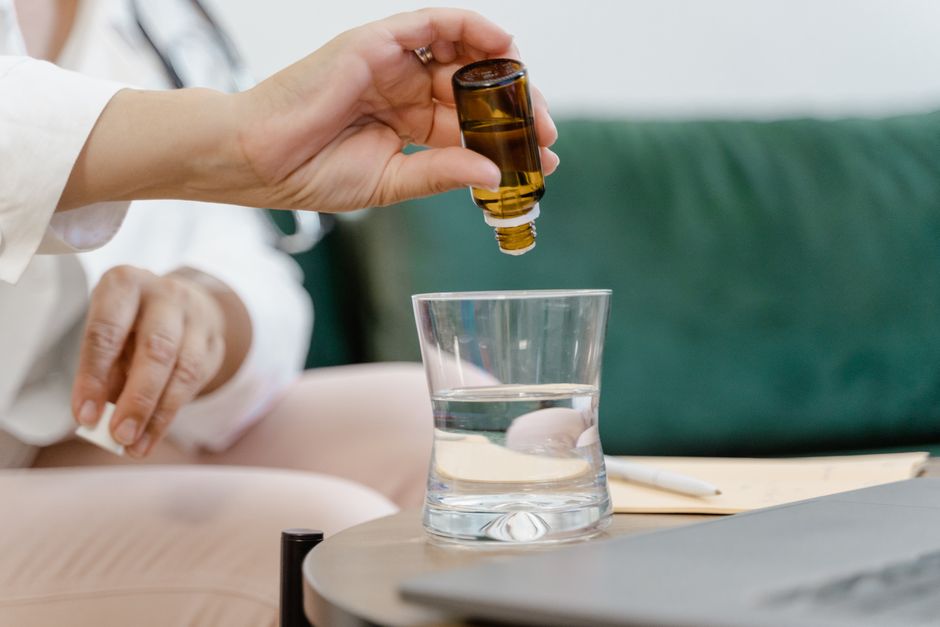
Echinacea is one of the most popular herbal remedies in the United States, commonly used at the first sign of a cold. You can prepare it as a tea, a tincture, or a juice, but the evidence for its benefits is mixed. This guide covers how to make echinacea tea, how to prepare an echinacea tincture, and what the science actually says about this plant.
What Is Echinacea And How Does It Work?
Echinacea is a genus of flowering plants in the daisy family. Three species are most used in supplements: Echinacea purpurea, Echinacea angustifolia, and Echinacea pallida. The plant is native to North America and was used by Indigenous peoples for various ailments long before European settlers arrived.
The roots, leaves, flowers, and seeds all contain compounds that may affect the immune system. These include alkamides, caffeic acid derivatives, polysaccharides, and glycoproteins. Laboratory studies show these compounds can stimulate certain immune cells, such as macrophages and natural killer cells.
But here is the critical point: what happens in a petri dish or a test tube does not always translate to real-world benefits. Biological plausibility is not the same as proven clinical effectiveness. The human immune system is complex, and researchers still do not fully understand how echinacea might work in the body, or if it works at all.
How To Prepare Echinacea Tea
Making echinacea tea at home is simple, but the quality of your starting material matters more than your technique. Dried echinacea root or aerial parts (leaves and flowers) are typically used.
Here is a basic method:
- Use about 1 to 2 grams of dried echinacea root or 1 to 2 teaspoons of dried leaves and flowers per cup of water.
- Bring water to a boil, then pour it over the dried plant material.
- Cover and steep for 10 to 15 minutes. Covering the cup helps retain volatile compounds.
- Strain and drink.
Some traditional preparations involve simmering the root for longer, up to 30 minutes, to extract more compounds. The taste is earthy and slightly bitter. Many people add honey or lemon to make it more palatable.
There is no standard recommended dose for echinacea tea. Clinical studies have used various doses and preparations, making it difficult to give a specific recommendation. If you are using echinacea tea, follow the instructions on the product label if available.
How To Prepare An Echinacea Tincture
A tincture is a concentrated liquid extract made by soaking plant material in alcohol or another solvent. Alcohol extracts certain compounds that water does not, which is why tinctures are popular.
To make an echinacea tincture at home:
- Use dried echinacea root. Fresh root can also be used but has a shorter shelf life.
- Chop or grind the root into small pieces to increase surface area.
- Place the root in a clean glass jar with a tight-fitting lid.
- Cover the plant material with high-proof alcohol, such as vodka or pure grain alcohol. The alcohol should be at least 40% by volume (80 proof). Some traditional recipes use higher concentrations.
- Seal the jar and store it in a cool, dark place for 4 to 6 weeks. Shake the jar every few days.
- Strain the liquid through cheesecloth or a fine mesh strainer into a dark glass bottle.
- Store the tincture in a cool, dark place. It can last for several years if kept properly.
Typical tincture doses used in some studies range from 1 to 3 milliliters taken up to three times daily. However, there is no universally established dose, and products vary widely in concentration. Always follow the instructions on a commercial product if you are using one.
Some people prefer glycerin-based tinctures, especially those who want to avoid alcohol. Glycerin extracts different compounds than alcohol, so the resulting tincture may not be equivalent.





Does Echinacea Actually Help With Colds?
The evidence is mixed. Some studies suggest echinacea may slightly reduce the duration or severity of colds if taken at the first sign of symptoms. Other studies show no benefit.
A 2014 review published in the Cochrane Database of Systematic Reviews examined multiple trials and concluded that echinacea products varied widely in composition, making it difficult to draw firm conclusions. The review found that some echinacea preparations might reduce cold duration by a small amount, but the evidence was not strong enough to recommend it as a standard treatment.
Part of the problem is that echinacea products are not standardized. Two bottles labeled “echinacea” may contain different species, different plant parts, and different concentrations of active compounds. This makes it hard to compare studies or give general advice.
If you choose to try echinacea for a cold, the most common approach is to start taking it as soon as symptoms appear. But do not expect it to prevent a cold or cure one. At best, it may modestly shorten how long you feel sick.
What Are The Risks And Side Effects Of Echinacea?
For most people, echinacea taken orally for short periods appears to be well tolerated. Common side effects include upset stomach, nausea, and dizziness. Some people experience allergic reactions, especially those allergic to plants in the daisy family, such as ragweed, chrysanthemums, marigolds, and daisies.
Allergic reactions can range from mild skin rash to more serious symptoms. If you have a known allergy to daisy-family plants, avoid echinacea.
There is limited information on the safety of long-term echinacea use. Most studies have looked at short-term use, typically a few weeks. No clinical guidelines currently exist for long-term use.
Echinacea may interact with certain medications, particularly those that affect the liver or immune system. If you take prescription drugs or have an autoimmune condition, talk to your healthcare provider before using echinacea.
Safety data for pregnant women, breastfeeding women, and children are limited. No clinical guidelines currently exist for these populations. Some sources suggest avoiding echinacea during pregnancy due to insufficient evidence, while others consider short-term use likely safe. Given the uncertainty, it is best to consult a healthcare provider.
How To Choose A Quality Echinacea Product
Because echinacea products are not standardized, quality varies significantly. Here are some factors to consider:
- Species: Look for products that specify which species is used, such as Echinacea purpurea or Echinacea angustifolia.
- Plant part: Some products use the root, others use the aerial parts. The active compounds differ.
- Extract ratio: A label might say “1:5” or “1:10,” meaning the ratio of raw plant to finished extract. Higher ratios generally mean more concentrated products, but this is not always a reliable indicator of quality.
- Third-party testing: Look for products tested by independent organizations. This can help ensure the product contains what the label claims and is free from contaminants.
Keep in mind that dietary supplements are not regulated the same way as prescription drugs in the United States. The FDA does not verify the safety or effectiveness of supplements before they are sold. This means the burden is on you to research products carefully.
Other Ways To Use Echinacea
Beyond tea and tinctures, echinacea is available in several other forms:
- Capsules and tablets: Convenient but often contain dried, powdered plant material, which may not extract compounds as efficiently as alcohol or water.
- Juice: Fresh-pressed echinacea juice is used in some European products, particularly in Germany.
- Topical preparations: Creams and ointments containing echinacea are sometimes used for skin wounds, but evidence for this use is limited.
- Throat sprays: Some products combine echinacea with other herbs for sore throat relief. Evidence for these combinations is generally weak.
Each form delivers different compounds in different amounts. A tincture is not the same as a tea, and a capsule is not the same as a juice. If you are trying echinacea for a specific purpose, the form you choose may affect whether you notice any benefit.
What Does The Research Say About Echinacea And Immune Health?
Many claims about echinacea boosting the immune system come from laboratory studies, not human trials. While lab research shows echinacea compounds can affect immune cells, this does not prove that taking echinacea will prevent illness or improve immune function in real life.
Some small human studies have found changes in immune markers, such as increased white blood cell activity, after taking echinacea. But these changes do not necessarily translate to fewer colds or faster recovery. The immune system is not something you can simply “boost” with a supplement. It is a complex network that requires balance, not overactivation.
No large, well-designed trials have confirmed that echinacea prevents colds or significantly reduces their severity. The evidence is not strong enough to make firm recommendations.
Frequently Asked Questions
How do you make echinacea tea?
Pour boiling water over 1 to 2 grams of dried echinacea root or 1 to 2 teaspoons of dried leaves and flowers, then steep covered for 10 to 15 minutes. Strain and drink. There is no standard recommended dose, so follow product instructions if available.
How do you make an echinacea tincture?
Cover chopped dried echinacea root with high-proof alcohol in a sealed jar and store it in a cool, dark place for 4 to 6 weeks, shaking occasionally. Strain into a dark glass bottle. Typical doses used in some studies range from 1 to 3 milliliters up to three times daily, but no universal dose exists.
Does echinacea really work for colds?
The evidence is mixed. Some studies suggest it may slightly reduce cold duration if taken at the first sign of symptoms, but other studies show no benefit. Product variability makes it hard to draw firm conclusions.
Who should avoid echinacea?
People allergic to daisy-family plants, such as ragweed and chrysanthemums, should avoid echinacea. Pregnant women, breastfeeding women, and children should consult a healthcare provider, as safety data for these groups are limited.
