
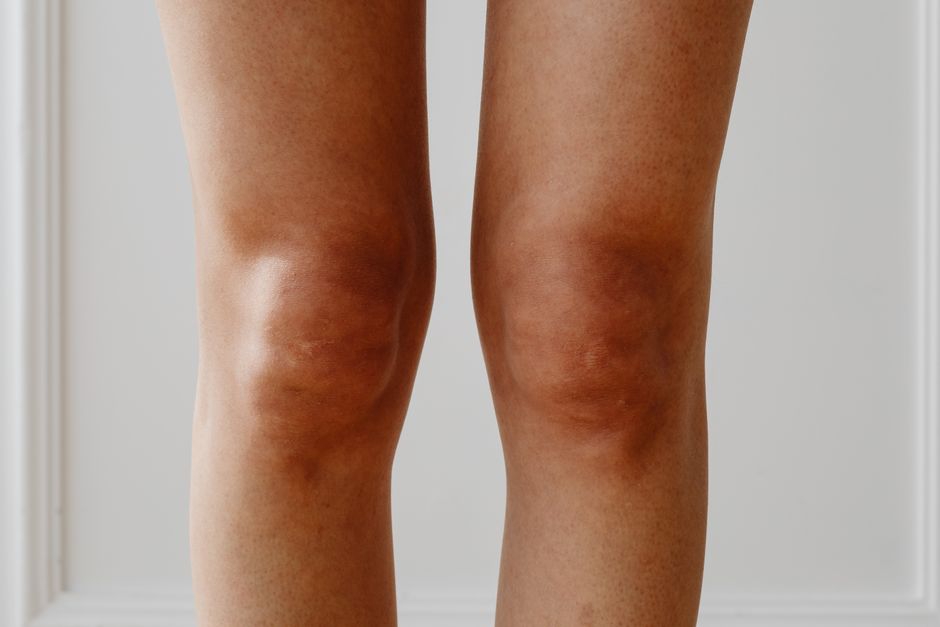
That grinding sensation in your knee is alarming. You feel like something is stuck, and your first instinct is to twist or push until you hear a satisfying pop. Stop. Trying to pop your knee back into place yourself is one of the most dangerous things you can do, and it rarely fixes the actual problem. The knee is not a joint you can simply realign like a dislocated shoulder. Forcing it can turn a minor injury into permanent damage.
Why You Should Never Try To Pop Your Knee Yourself
Your knee is a complex hinge joint. It relies on strong ligaments, tendons, and cartilage to stay stable. When it feels “out of place,” it is usually because of swelling, a torn ligament, or a loose piece of cartilage floating inside the joint. It is not actually dislocated in most cases.
Forcing the joint to pop does not fix these underlying issues. It only adds stress to already damaged structures. You can easily turn a partial ligament tear into a complete rupture. You can also push a loose cartilage fragment deeper into the joint, making surgery more complicated.
Medical research consistently shows that self-manipulation of the knee leads to worse outcomes. Emergency rooms see patients every week who made their injuries worse by trying to pop their own knees. The pop you hear is often the sound of more damage, not a successful realignment.
What Actually Causes That “Out of Place” Feeling
The sensation that your knee needs to pop usually comes from one of three problems. The first is a meniscus tear. The meniscus is the C-shaped cartilage that cushions your knee. When it tears, a flap can catch between the bones, causing a locking sensation. No amount of popping will fix that flap.
The second cause is patellofemoral pain. This happens when your kneecap does not track properly in its groove. It feels like the kneecap is shifting sideways. This is usually a muscle imbalance issue, not a structural misalignment that needs popping.
The third cause is simple joint stiffness. Gas bubbles in the synovial fluid can burst, creating that popping sound. This is harmless, but it does not mean the joint was out of place. If you have no pain and no swelling, that pop is just gas releasing. It is not a realignment.
What Happens When You Force The Knee To Pop
When you forcefully twist or pull your knee, you risk several serious injuries. A medial collateral ligament sprain can become a full tear. The anterior cruciate ligament, which is already vulnerable, can snap under sudden rotational stress.
You also risk fracturing the patella. The kneecap is not designed to withstand lateral bending forces. Forcing it sideways can crack it. That requires surgery and months of recovery.
The most dangerous risk is vascular damage. The popliteal artery runs directly behind the knee. A severe manipulation can compress or tear this artery. This is a medical emergency that can threaten the leg itself. This is why orthopedic surgeons strongly advise against any self-manipulation of the knee.
When Is It Actually A Dislocation?
True knee dislocations are rare and always medical emergencies. If your knee looks visibly deformed, if you cannot move it at all, or if your foot feels numb or cold, you need an emergency room immediately. Do not try to fix it yourself.
A dislocated kneecap, called patellar dislocation, is more common. The kneecap slides completely out of its groove to the outside of the knee. This usually happens during a sudden change in direction. The knee will look deformed and you will feel intense pain.
Even with a patellar dislocation, you should not pop it back yourself. You do not know if the kneecap is the only thing out of place. A doctor will examine the joint, take an X-ray, and confirm that no fracture or ligament damage exists before reducing the dislocation safely.
Safe Ways To Relieve Knee Stiffness At Home
If your knee feels stiff but you have no acute pain, no swelling, and no visible deformity, gentle movement is acceptable. Do not force anything. Slow, pain-free range of motion is the goal.
Try lying on your back and slowly bending your knee toward your chest. Hold for a few seconds, then straighten it. Repeat this ten times. If you feel sharp pain, stop immediately. This is not a stretching routine. It is a movement check to see if the joint moves freely on its own.
Ice and elevation help if there is mild swelling. Over-the-counter anti-inflammatory medication can reduce discomfort. If the stiffness persists for more than a few days, schedule an appointment with an orthopedic specialist. They can determine why the joint feels stuck.
When To See A Doctor Immediately
You need urgent medical care if your knee locks completely and you cannot straighten it. This is a classic sign of a bucket-handle meniscus tear. That tear can block the joint completely and requires surgical intervention.
Seek immediate care if you hear a popping sound at the time of injury, followed by rapid swelling. That combination often indicates an ACL tear or a significant meniscus injury. The swelling is blood inside the joint, which happens within hours of a structural injury.
You also need to see a doctor if you cannot bear weight on the leg. If the knee gives way when you stand, the ligaments are not providing adequate support. Walking on an unstable knee increases the risk of further damage.
What A Doctor Will Actually Do
An orthopedic doctor will start with a physical exam. They will test the stability of your ligaments by applying specific pressures. They will also check your range of motion and look for swelling.
Imaging is often necessary. An X-ray rules out fractures. An MRI shows soft tissue damage, including ligament tears, meniscus tears, and cartilage injuries. The MRI is the most useful tool for determining why your knee feels stuck.
Based on the findings, treatment ranges from physical therapy to arthroscopic surgery. Physical therapy strengthens the muscles around the knee, which stabilizes the joint. Surgery removes torn cartilage fragments or repairs damaged ligaments. The goal is always to restore function without forcing the joint.
How To Prevent Knee Injuries In The Future
Strong muscles protect your knee. The quadriceps and hamstrings act as shock absorbers. Weakness in these muscles puts extra strain on the joint itself. Regular strength training is the most effective prevention.
Maintaining a healthy weight reduces the load on your knee joints. Every pound of body weight puts about four pounds of pressure on the knee during walking. Weight loss significantly reduces knee pain and injury risk.
Wearing appropriate footwear matters more than people think. Shoes with good arch support keep your lower leg aligned properly. This alignment reduces stress on the knee during walking and running. Replace worn shoes regularly.
Why The “Pop” Feels Satisfying But Does Nothing
That satisfying pop is not a joint going back into place. It is usually gas bubbles collapsing in the synovial fluid. This is the same mechanism behind knuckle cracking. It feels good because the pressure change stimulates nerve endings.
If you have pain and swelling, the pop might be a torn structure moving. That is not relief. That is damage. The brief sensation of relief comes from endorphins, your body’s natural painkillers, which are released after injury.
This is why the popping habit is so hard to break. Your brain associates the sound with relief, even when the relief is temporary and the damage is accumulating. Breaking this habit requires understanding that the pop is not a fix.
Frequently Asked Questions
Can popping my knee cause permanent damage?
Yes, forcing your knee to pop can cause permanent damage. You risk tearing ligaments, fracturing the kneecap, or damaging the artery behind the knee.
How do I know if my knee is actually dislocated?
A dislocated knee looks visibly deformed and causes intense pain with inability to move the joint. If your foot is numb or cold, go to an emergency room immediately.
What should I do if my knee feels locked?
If your knee locks and you cannot straighten it, see a doctor promptly. This often indicates a meniscus tear that requires surgical treatment.
Is it safe to crack my knee like I crack my knuckles?
If you have no pain or swelling, cracking gas bubbles is generally harmless. If you have pain, the pop may be damaging tissue, and you should stop.
