
Sciatica is nerve pain that runs from your lower back down one leg. The most common cause is a herniated disc pressing on the sciatic nerve. No stretch or home technique can “pop” a disc back into place or instantly cure sciatica. What you can do at home is reduce muscle spasm, ease pressure on the nerve, and manage pain while your body heals.
What Does It Mean To “Pop” Sciatica?
When people talk about popping sciatica, they usually mean one of two things: a joint in the lower back or hip making a cracking sound, or a sudden release of tension that brings relief.
Here is what actually happens. The cracking sound comes from gas bubbles shifting inside a joint capsule. It is not your disc going back into place. Discs are tough, rubbery cushions between vertebrae, and they do not pop in and out like a knuckle.
What people often feel after a good stretch or position change is a reduction in muscle spasm. The deep muscles around the spine tighten up when a nerve is irritated. When those muscles relax, pressure on the nerve can ease, and pain may drop. That relief is real. It just is not a disc popping back.
Understanding this matters because it sets honest expectations. You are not fixing the disc with a trick. You are calming the nervous system and the muscles around it while the underlying injury heals on its own schedule.
What Is The Fastest Way To Relieve Sciatica Pain At Home?
There is no single fastest method that works for everyone. What helps most in the first hours is finding a position that takes pressure off the nerve and staying in it long enough for the pain to settle.
For many people with disc-related sciatica, lying on your back with a pillow under your knees reduces the curve of the lower back and can ease nerve pressure. Others get more relief lying on their side with a pillow between the knees. A small number find that lying on their stomach helps, though this can make symptoms worse for some.
Short walks on flat ground are often better than bed rest. Prolonged bed rest can make sciatica worse by stiffening the back and weakening supporting muscles. Movement within a pain-free range keeps blood flowing and prevents the muscles from locking up.
Heat applied to the lower back for 15 to 20 minutes can relax muscle spasm. Cold packs may help more in the first 48 hours if there is inflammation and swelling. Some people alternate between the two.
Over-the-counter pain relievers are commonly used. Nonsteroidal anti-inflammatory drugs like ibuprofen reduce inflammation and pain. Acetaminophen helps with pain but not inflammation. Anyone with stomach, kidney, heart, or bleeding conditions should check with a doctor or pharmacist before using these, because they are not risk-free.
Which Stretches And Positions Actually Help?
Stretching can help, but the wrong stretch can make sciatica worse. The goal is to move gently and stop before pain shoots down the leg.
These are commonly used and generally considered low-risk for mild cases:
- Knee-to-chest: Lie on your back and pull one knee toward your chest, holding for 15 to 30 seconds. This can ease tension in the lower back.
- Piriformis stretch: Lie on your back, cross one ankle over the opposite knee, and gently pull the supporting leg toward you. The piriformis is a deep hip muscle that the sciatic nerve runs near.
- Sciatic nerve glide: Sit with one leg extended and gently move your foot and ankle to encourage the nerve to slide without stretching it hard. This is a gentle motion, not a forceful stretch.
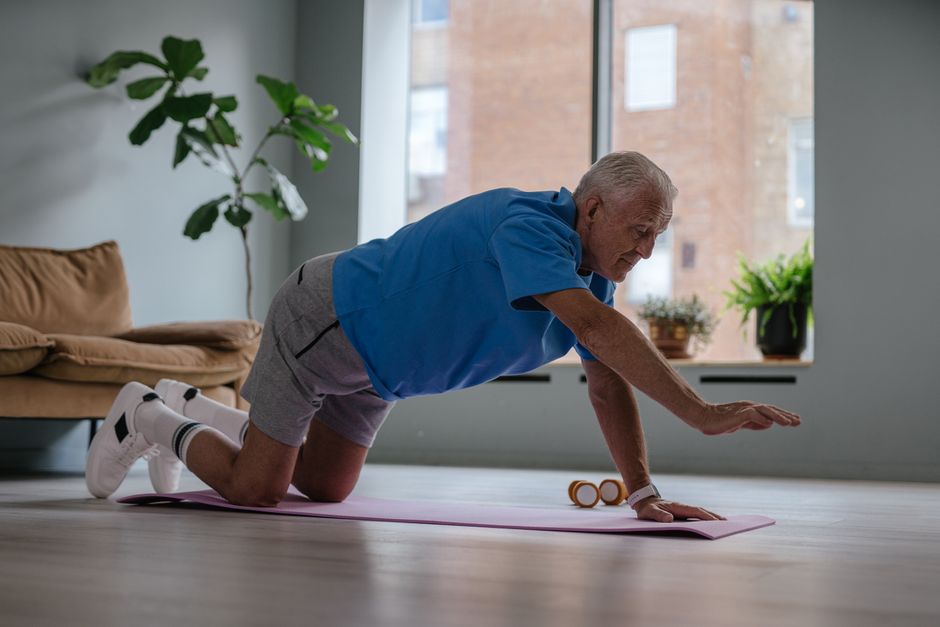
- Cat-cow: On hands and knees, slowly arch and round your spine. This keeps the back moving without loading it heavily.
A key rule: if a stretch sends sharp, electric pain down your leg, stop. That is a sign the nerve is being irritated, not helped. Nerve pain is different from muscle tightness, and pushing through it usually backfires.
Some clinicians recommend nerve gliding over static stretching for sciatica, but the evidence on which approach works best is limited and results vary from person to person.





Does Foam Rolling Or Massage Help Sciatica?
Foam rolling and massage can relax tight muscles in the buttocks and lower back, which may reduce pain for some people. They do not move a disc or fix the root cause.
Massage may calm muscle spasm and improve how movement feels. Evidence for massage specifically relieving sciatica is limited, but it is generally low-risk when done gently.
One caution: pressing hard directly over the path of the sciatic nerve in the buttock can make symptoms worse. Deep, aggressive pressure in that area is not recommended when a nerve is already irritated. Keep pressure moderate and avoid pushing into sharp pain.
What Should You Not Do With Sciatica?
Certain movements and habits reliably make sciatica worse. Avoiding them can matter as much as doing the right stretches.
- Do not stay in bed for days. Prolonged rest weakens the back and slows recovery.
- Do not bend forward and twist at the same time, especially when lifting.
- Do not lift heavy objects while symptoms are active.
- Do not sit for long stretches without getting up. Sitting increases pressure on the lower discs.
- Do not force a stretch or push through sharp nerve pain.
- Do not ignore worsening weakness or numbness.
If you smoke, this is a good time to think about quitting. Smoking is linked to poorer disc health and slower healing, though the exact mechanisms are still being studied.
When Is Sciatica A Medical Emergency?
Most sciatica improves on its own within weeks. A small number of cases involve a serious problem that needs urgent care.
Get emergency medical help if you have any of these:
- Loss of bladder or bowel control
- Numbness in the groin or inner thigh area (sometimes called saddle numbness)
- Rapidly worsening weakness in one or both legs
- Sudden severe pain after a major injury or fall
These can signal a condition called cauda equina syndrome, where nerves at the base of the spine are compressed. It is rare but requires immediate treatment. Delay can lead to permanent damage.
Also see a doctor if pain is severe, keeps getting worse, does not improve after several weeks, or comes with fever or unexplained weight loss. These signs point to causes other than a simple disc problem.
How Long Does Sciatica Take To Heal?
Many people with sciatica feel better within a few weeks to a few months. For a large share, symptoms ease without surgery.
The timeline depends on the cause, your age, your overall health, and how well you stay gently active. A herniated disc can gradually shrink and stop pressing on the nerve, but this takes time. It does not happen overnight and no home trick speeds it up dramatically.
Physical therapy is often helpful for people whose pain lingers. A therapist can teach safe movements and strengthen the muscles that support the spine. For persistent or severe cases, doctors may consider injections or, in some situations, surgery. These are decisions to make with a clinician, not from a home routine.
What Actually Helps Versus What Is Hype?
A lot of sciatica advice online promises instant fixes. It helps to separate what has support from what does not.
| Approach | What The Evidence Suggests |
|---|---|
| Gentle movement and walking | Generally helpful; better than prolonged bed rest |
| Heat or cold | May ease muscle spasm and pain for some |
| Over-the-counter pain relievers | Commonly used for short-term relief; check risks first |
| Gentle stretching and nerve gliding | May help; evidence is mixed and varies by person |
| Massage and foam rolling | May relax muscles; limited evidence for sciatica itself |
| “Popping” the disc back | No evidence this is possible or how discs work |
| Chiropractic adjustment | Some people report relief; evidence is limited and mixed |
The honest takeaway: home care can manage symptoms and support recovery, but it is not a cure. If things are not improving, that is information, not failure.
Frequently Asked Questions
Can you actually pop a disc back into place?
No. Discs are cushions between the bones of your spine and they do not pop in and out of position. What you may feel is a joint releasing gas or a muscle relaxing, not a disc moving back.
How long does sciatica usually last?
Many cases improve within a few weeks to a few months. If pain is severe, worsening, or lasting longer, see a doctor to rule out other causes.
Is it better to rest or move with sciatica?
Gentle movement is usually better than prolonged bed rest. Staying active within a pain-free range helps more than lying down for days.
When should I worry about sciatica?
Get emergency care for loss of bladder or bowel control, groin numbness, or rapidly worsening leg weakness. These can signal a serious nerve problem that needs urgent treatment.
