
You can remove a blackhead at home, but the technique matters more than most people realize. A blackhead is a pore clogged with a plug of keratin and oil (sebum) that has oxidized and darkened at the surface. The safe way to “pop” one is to apply gentle, even pressure with clean fingers or a properly designed extractor, or to loosen the plug first with a product that softens keratin. The unsafe way — squeezing hard with fingernails, digging with a needle, or attacking skin that is inflamed — is how people end up with scars and infections.
Before you touch your face, it helps to understand what a blackhead actually is and why some come out easily while others refuse to budge. This guide covers what works, what to avoid, and when a “blackhead” is really something else that should not be squeezed at all.
What Is a Blackhead, Exactly?
A blackhead is an open comedo — a hair follicle whose opening stays open to the air. Inside, dead skin cells and sebum form a plug. The dark color is not dirt. It comes from melanin and oxidized lipids reacting with oxygen at the surface of the plug.
This is one of the most common misconceptions in skincare. People scrub their faces raw trying to wash away “dirt” that isn’t dirt. The color is a chemical change, not grime, and no amount of cleansing will lighten a plug that has already formed.
Blackheads are a hallmark of acne but also occur in people without acne-prone skin, especially on the nose, chin, and forehead where oil glands are dense. They are not a sign of poor hygiene.
How To Pop Blackheads Safely
The safest extraction is one that uses steady pressure rather than force, and stops the moment the skin fights back. Here is the sequence that dermatologists generally describe for at-home removal.
- Wash your hands and face. Use a gentle cleanser and warm water. Warmth softens the plug and makes extraction easier.
- Apply a warm compress for a few minutes. A clean, warm (not hot) washcloth helps soften keratin at the pore opening.
- Use the pads of your fingers, not nails. Place your fingertips on either side of the blackhead and press inward and slightly down with slow, even pressure.
- Stop if nothing comes out after one or two gentle attempts. A plug that resists is not ready, and more pressure only damages the follicle wall.
- Consider a comedone extractor. These metal tools have a small loop that concentrates pressure around the pore. Press gently and evenly; do not drag or gouge.
- Clean the area afterward. Wipe with a mild cleanser and apply a light, non-comedogenic moisturizer.
If you use an extractor, clean it with rubbing alcohol before and after each use. Sharing tools or using them on broken skin risks introducing bacteria.
One clarification worth knowing: a plug that comes out cleanly often leaves a small open pore that looks larger for a day or two. This is temporary. The pore does not permanently enlarge from a single gentle extraction, though repeatedly stretching the same pore over time is not doing the skin any favors.
Why Some Blackheads Won’t Come Out
A stubborn blackhead usually has a reason. The plug may be deeper than it looks, the pore opening may be narrow, or the surrounding skin may be inflamed — in which case squeezing is the wrong move entirely.
Deep plugs are often better addressed by softening the keratin first. Products containing salicylic acid, a beta hydroxy acid that penetrates oil-rich pores, can help loosen the plug over days to weeks. Some clinicians also suggest a short course of a topical retinoid to normalize how the follicle sheds dead cells, though retinoids are best used under a clinician’s guidance because they can irritate skin, especially at first.
There is also a hard limit to what home extraction can do. Some blackheads are essentially the surface of a larger comedone or a sebaceous filament — a normal, thin strand of oil and cells that lines the pore. Sebaceous filaments are not blackheads and will always regrow. Squeezing them repeatedly is a common cause of irritated, enlarged-looking pores on the nose.
-
 EyeFortin Reviews 2026: Clear Vision Or A marketing Scam?
-
Mounjaboost Reviews & Complaints: Does Drops Work for Weight Loss?
-
Yu Sleep Weight Loss Supplement Reviews. Critical March 2026 Update.
-
Neuro Energizer Review 2026. Legit Brain Tool or Just Hype?
-
Prime Biome Reviews 2026. Gummies for Skin | User Complaints





What Not to Do When Removing Blackheads
Most blackhead damage comes from technique, not from the attempt itself. The list of things to avoid is short but important.
- Do not squeeze with fingernails. Nails concentrate force and tear the skin around the pore.
- Do not use a needle, pin, or tweezers. These cause punctures and scarring and are not designed for this purpose.
- Do not squeeze inflamed, red, or painful spots. These are likely papules or pustules, not simple blackheads, and squeezing can spread inflammation and worsen scarring.
- Do not pick at a plug that partially emerges. Let it come out on its own or stop and try again later.
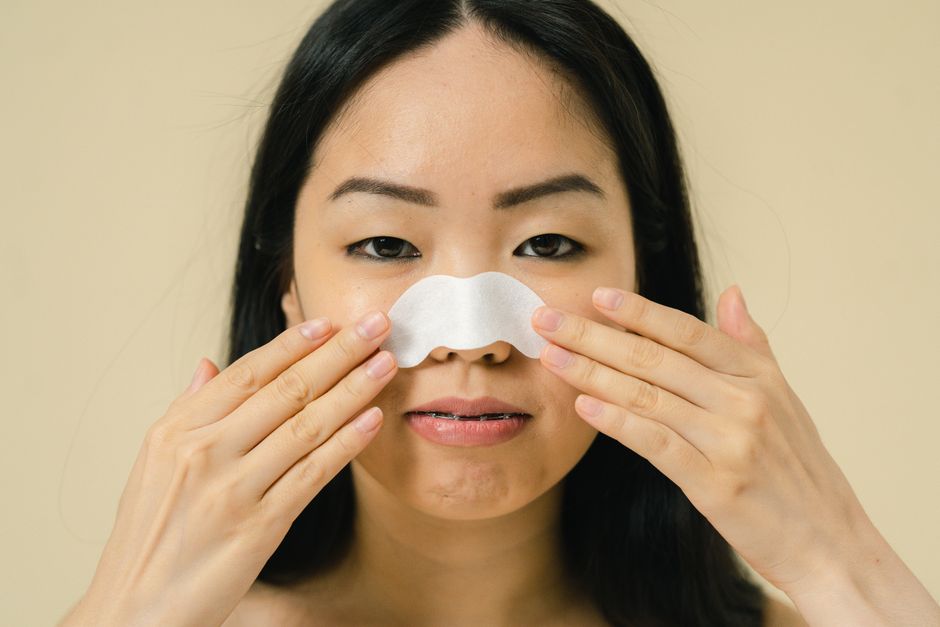
- Do not use pore strips as a substitute for extraction. They remove some surface material but can strip the skin and rarely clear a deep plug.
If a spot is painful, growing, or bleeding, it is not a blackhead you should be squeezing. See a clinician.
When a “Blackhead” Is Something Else
Not every dark dot on the face is a blackhead. This matters because squeezing the wrong thing can cause real harm.
A small, dark, irregular spot that does not have a visible pore opening, changes over time, or bleeds may be a mole or another skin lesion. Dark spots that are new, asymmetric, or evolving should be checked by a clinician rather than squeezed.
Some people also mistake small dark hairs, freckles, or flat warts for blackheads. A blackhead has a visible central opening and a plug you can see. If you cannot identify a clear pore opening, do not extract.
How to Prevent Blackheads From Coming Back
Extraction removes today’s plug. It does not change the conditions that form the next one. Prevention is where most of the long-term work happens.
Consistent cleansing with a gentle, non-comedogenic cleanser helps. So does avoiding heavy, pore-clogging products — look for the word “non-comedogenic” on moisturizers and makeup. Exfoliation with salicylic acid a few times a week can help keep pores clear in people prone to clogging, though more is not better; over-exfoliating irritates skin and can trigger more oil production.
Diet and lifestyle play a smaller role than marketing suggests. Some research links high-glycemic diets to acne severity, but the evidence is mixed and does not support a single “acne diet.” Sleep, stress, and hormonal fluctuation influence oil production in ways that are real but hard to control directly.
For persistent or widespread blackheads, a dermatologist can offer treatments that go beyond home care, including prescription topical retinoids and in-office extraction. These are not necessary for occasional blackheads but are reasonable for people who have tried home measures without success.
Is It Safe to Pop Blackheads Every Day?
No. Daily extraction irritates the skin and increases the risk of scarring and infection. Most people do better extracting only occasional, clearly visible blackheads and leaving the rest to soften over time with a gentle acid or retinoid.
Skin needs time to recover between attempts. If you find yourself reaching for an extractor every day, the better question is why the blackheads keep forming — and whether a preventive routine would do more than repeated squeezing.
Frequently Asked Questions
Can you pop a blackhead with your fingers?
Yes, with the pads of clean fingers and gentle, even pressure. Never use fingernails, and stop if the plug does not release after one or two attempts.
Why do blackheads keep coming back after I remove them?
Extraction removes the plug but not the conditions that create it. Oil production, dead-cell shedding, and pore size all contribute, so prevention with gentle cleansing and salicylic acid matters more than repeated squeezing.
Are pore strips bad for blackheads?
Pore strips remove some surface oil and cells but rarely clear a deep plug, and they can irritate skin. They are not a substitute for proper extraction or prevention.
When should I see a doctor for blackheads?
See a clinician if blackheads are widespread, painful, or accompanied by redness and swelling, or if a dark spot is new, changing, or bleeding. Those signs point to something that should not be squeezed at home.
