
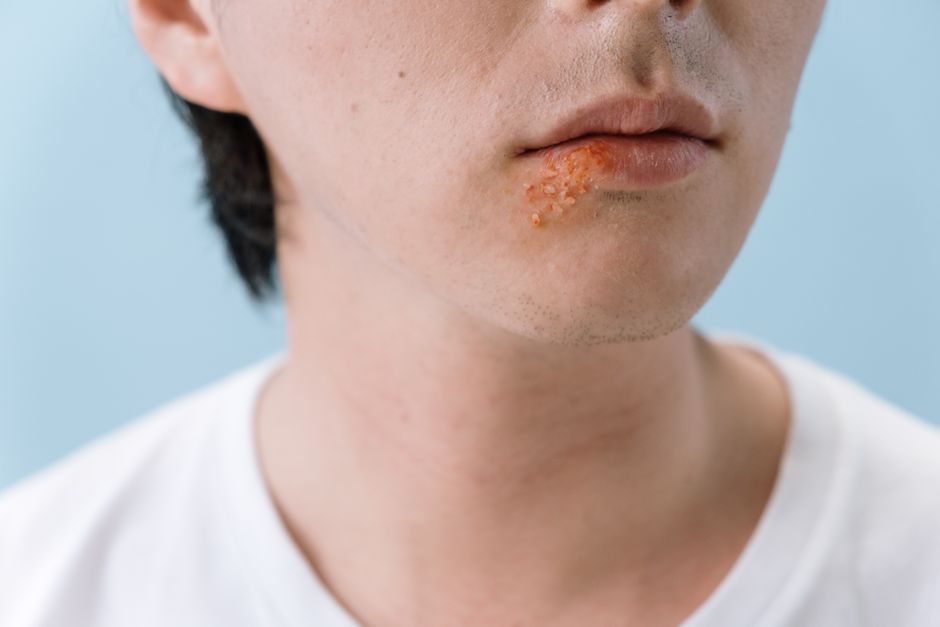
An ingrown hair happens when a hair curls back or grows sideways into the skin instead of up and out. Popping it like a pimple is risky. The right approach involves softening the skin, releasing the hair with a sterile needle, and keeping the area clean. This guide walks through the safe method step by step, plus what to avoid so you do not turn a minor irritation into a skin infection.
Why You Should Not Squeeze an Ingrown Hair Like a Pimple
Squeezing an ingrown hair with your fingers is the most common mistake people make. Your fingernails carry bacteria. When you press hard on the skin, you push those bacteria deeper into the follicle. You also damage the surrounding tissue, which makes swelling worse.
Another problem with squeezing is that it rarely removes the actual hair. You might get some pus or fluid out, but the hair stays trapped under the skin. That means the problem will return, often angrier than before. The goal is not to pop the bump. The goal is to free the hair.
How To Pop An Ingrown Hair Without Infection: The Safe Method
Do not squeeze. Instead, follow this process to release the trapped hair with minimal risk.
Step 1: Wash your hands and the area. Use soap and warm water on both your hands and the skin around the ingrown hair. This removes surface bacteria that could enter the skin.
Step 2: Apply a warm compress. Soak a clean washcloth in warm water and hold it against the area for 10 to 15 minutes. Do this three to four times a day for a few days if needed. The warmth softens the skin and helps the hair loop surface on its own. Many ingrown hairs resolve at this stage without any tools.
Step 3: Sterilize your tools. If the hair does not surface on its own, you may need a sterile needle or tweezers. Clean the needle with rubbing alcohol. If you use tweezers, wipe them with alcohol too. Do not use a pin that has been in a sewing kit. Do not use a safety pin. Use a single-use sterile lancet if you have one, or sterilize a fine needle properly.
Step 4: Lift the hair loop gently. Look closely at the bump. You will often see a dark loop of hair just under the skin. Insert the needle tip under that loop and gently lift upward. The goal is to pull the hair end out of the skin, not to break the skin open like a blister.
Step 5: Pull the hair out with tweezers. Once the loop is exposed, grab it with sterile tweezers and pull it out in the direction it grows. Pull slowly and steadily. If it resists, stop. Do not dig for it.
Step 6: Clean the area again. After the hair is removed, wash the spot with soap and water. Apply a thin layer of antibiotic ointment if you choose, though plain petroleum jelly also works to keep the area moist and protected.
What To Do If the Hair Is Not Visible
Sometimes the ingrown hair is deep and you cannot see a loop. In that case, do not dig. Inserting a needle blindly into the skin increases the risk of infection and scarring.
Instead, keep using warm compresses. Exfoliate gently with a soft washcloth in a circular motion. Some dermatologists recommend products with salicylic acid or glycolic acid to help shed the layer of dead skin cells trapping the hair. These products are available over the counter. Follow the label directions and stop if the skin becomes irritated.
If the hair has not surfaced after a week of this approach, see a healthcare provider. A doctor or dermatologist can remove it safely with a sterile blade. Do not let a deep ingrown hair sit for months. It can form a cyst or become infected.




Signs of Infection To Watch For
An ingrown hair can become infected even with careful handling. Know the warning signs so you can act quickly.
Watch for increasing redness that spreads beyond the bump. Watch for warmth in the area, pus that is yellow or green, and pain that gets worse instead of better. A red streak extending from the bump is a serious sign that requires medical attention promptly.
A small amount of clear or slightly cloudy fluid when you release the hair is normal. That is not necessarily an infection. Real infection involves inflammation and the body’s immune response. If you develop a fever, seek medical care.
Why Some People Get Ingrown Hairs More Often
Ingrown hairs are most common in people with curly or coarse hair. When hair is cut at an angle, the sharp tip can pierce the skin as it grows. Shaving closely increases this risk. Waxing and plucking can also cause hairs to grow back at odd angles.
Tight clothing can press hairs back into the skin after shaving. Friction from clothing or athletic activity also contributes. Areas commonly affected include the beard area in men, the bikini line, legs, and underarms.
Some people have a genetic tendency toward ingrown hairs. There is no way to change your hair type. But you can change how you remove hair and how you care for the skin afterward.
How To Prevent Ingrown Hairs in the First Place
Prevention is more effective than treatment. If you shave, prepare the skin first. Shave after a warm shower when the hair and skin are soft. Use a sharp single-blade razor. Dull razors tug at the hair and increase the chance of it growing back wrong.
Shave in the direction of hair growth. This does not give the closest shave, but it reduces the risk of ingrown hairs. Rinse the razor after each stroke. Do not stretch the skin tight while shaving. That pulls the hair up and allows it to retract below the skin line when you release the tension.
Consider an electric razor or clippers instead of a blade if you get frequent ingrown hairs. Leaving a small amount of stubble prevents the hair from being cut sharp enough to re-enter the skin.
Exfoliating regularly helps remove dead skin cells that can trap hairs before they emerge. Use a gentle physical scrub or a chemical exfoliant with salicylic acid. Do not over-exfoliate. Red, irritated skin is more prone to problems.
Moisturize after shaving. Dry skin can close over the hair follicle and trap the hair underneath.
When To See a Doctor
Most ingrown hairs resolve on their own within one to two weeks. Some need the gentle release method described above. A doctor should handle the rest.
See a healthcare provider if the area becomes increasingly painful, swollen, or shows signs of infection. See a doctor if you have multiple ingrown hairs in one area that keep returning. This can sometimes indicate a condition called pseudofolliculitis barbae, which may benefit from prescription treatments.
Do not attempt to remove an ingrown hair yourself if it is on your face near your eye, in your nose, or in another sensitive area. The anatomy in these regions is delicate, and complications are harder to manage.
Common Myths About Ingrown Hairs
One myth is that hot water opens the pores and cold water closes them. Pores do not open and close like doors. Heat does soften the skin and makes the hair easier to release. That is the real benefit of a warm compress.
Another myth is that rubbing alcohol should be used to clean the area after removal. Alcohol kills bacteria, but it also dries and irritates the skin. Soap and water is sufficient. If you want an antiseptic, chlorhexidine or diluted povidone-iodine are gentler options, though soap and water remains the standard first choice.
A third myth is that ingrown hairs mean you have poor hygiene. They do not. Ingrown hairs happen because of hair texture, shaving technique, and skin cell turnover. People with excellent hygiene get them regularly.
Frequently Asked Questions
Can I pop an ingrown hair with a needle?
Yes, but only after sterilizing the needle with rubbing alcohol and softening the skin with a warm compress first. The needle is used to lift the hair loop out gently, not to break the skin open.
Will an ingrown hair go away on its own?
Many ingrown hairs resolve on their own within one to two weeks as the hair continues to grow and eventually breaks through the skin. Warm compresses and gentle exfoliation can speed up this process.
What happens if you leave an ingrown hair untreated?
The bump may remain for weeks or become a painful cyst filled with fluid. In some cases, the trapped hair leads to a bacterial infection that requires medical treatment.
Is it safe to squeeze an ingrown hair out?
Squeezing is not recommended because it pushes bacteria deeper into the skin and rarely removes the hair itself. The safe method is to lift the hair loop with a sterile needle and pull it out with clean tweezers.
