
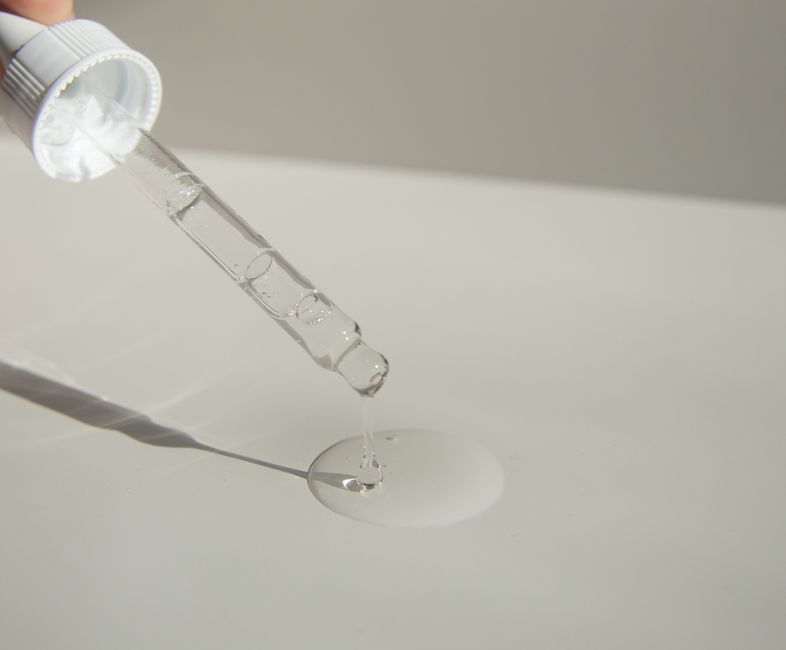
Pipetting glycerol is one of the most common frustrations in a lab. It is thick, sticky, and leaves a film inside the pipette tip. The standard forward pipetting method often delivers the wrong volume because the glycerol clings to the inside of the tip. The reliable solution is reverse pipetting, a technique where you draw up more liquid than you need and dispense only the set volume. This method is accurate for viscous liquids and is the standard approach for handling glycerol in most research settings.
Why Is Glycerol Difficult to Pipette?
Glycerol is a viscous liquid, meaning it flows slowly and resists movement. Its thickness, technically its high viscosity, makes it behave differently from water in a pipette. When you use a standard forward pipetting technique, you press the plunger to the first stop, aspirate the liquid, and then press to the first stop again to dispense.
The problem is that a thin layer of glycerol sticks to the inside wall of the plastic tip. In forward pipetting, this film never gets expelled, so you deliver slightly less than the intended volume. With a liquid as thick as glycerol, that lost volume can be a significant percentage of the total. Reverse pipetting solves this by intentionally aspirating extra liquid, so the film left behind does not affect the volume you deliver.
How To Pipette Glycerol Reverse Pipetting Tips
Reverse pipetting is a straightforward adjustment to your standard technique. The key difference is how you use the plunger stops.
With a standard air displacement pipette, press the plunger down to the second stop before you aspirate. This is the fully depressed position. Dip the tip into the glycerol and release the plunger slowly to draw up the liquid. You will now have more liquid in the tip than your set volume.
To dispense, press the plunger down to the first stop. This delivers the exact volume you set. The extra liquid stays in the tip. You then discard the tip with the remaining glycerol still inside.
Always use a tip that is larger than the volume you need. For example, if you need to pipette 200 µL of glycerol, use a 1000 µL tip. This gives the extra aspirated volume room to stay in the tip without contaminating the pipette shaft.
Work slowly. Glycerol moves slowly, and rushing the plunger creates air bubbles that ruin the measurement. Wait one to two seconds after aspirating to let the liquid settle in the tip.
What About Positive Displacement Pipettes?
Reverse pipetting with an air displacement pipette works well for most lab tasks. But there is a better tool for highly viscous liquids: a positive displacement pipette.
Instead of using a disposable plastic tip with an air cushion, a positive displacement pipette uses a disposable piston inside the tip. The piston makes direct contact with the liquid. There is no air between the piston and the liquid, so viscosity does not affect accuracy in the same way.
Positive displacement pipettes are more expensive than standard pipettes. Many labs reserve them for work with glycerol, oils, and other viscous or volatile liquids. If you pipette glycerol regularly and accuracy is critical, this is the most reliable option. If you only pipette glycerol occasionally, reverse pipetting with a standard pipette is perfectly acceptable.



Choosing the Right Pipette Tip for Glycerol
The tip you choose matters as much as the technique. Glycerol sticks to plastic, so the material of the tip affects how much liquid gets left behind.
Standard polypropylene tips are the most common. They work for glycerol, but they leave a slightly larger film than some specialty options. Low retention tips are treated to reduce the amount of liquid that sticks to the walls. These are a good choice for glycerol because they minimize the volume lost to the film.
Wide bore tips are another option. They have a larger opening than standard tips, which allows viscous liquids to enter and exit more easily. This reduces the shear force on the liquid and makes aspiration faster and more accurate. Wide bore tips are particularly useful when working with very thick glycerol solutions or when mixing glycerol with other reagents.
Common Mistakes When Pipetting Glycerol
Several errors can ruin an otherwise careful glycerol measurement. The most common is using forward pipetting out of habit. Forward pipetting is designed for aqueous solutions. It is not accurate for viscous liquids.
Another frequent mistake is dispensing too fast. Pressing the plunger down quickly forces the glycerol out in a rush, but the liquid that sticks to the tip wall does not have time to move. This leaves you with a variable amount of glycerol in the tip. Slow, controlled plunger movement is essential.
Failing to pre-rinse the tip is a third error. For very accurate work, some protocols recommend aspirating and dispensing the glycerol once before taking the actual measurement. This coats the tip wall with a thin layer of glycerol, so the measurement itself is not affected by the film forming during the aspiration step. This pre-rinse is not always necessary with reverse pipetting, but it can improve consistency.
Finally, do not hold the pipette at an angle. Hold it vertically, or nearly vertically, when aspirating. This keeps the liquid level consistent and prevents glycerol from running up the outside of the tip.
Why Accuracy Matters in Glycerol Measurements
Glycerol is used in many laboratory applications, and the accuracy of your pipetting directly affects your results. In molecular biology, glycerol is a common component of enzyme storage buffers and PCR reactions. An inaccurate glycerol volume can change the concentration of the reaction, affecting enzyme activity or reaction efficiency.
In cell culture, glycerol is used in freezing media to protect cells during cryopreservation. The concentration of glycerol in the freezing medium is critical. Too little glycerol and the cells may be damaged by ice crystal formation. Too much and the glycerol itself can be toxic to the cells.
In analytical chemistry, glycerol is often used as a standard or as a component of calibration solutions. An inaccurate measurement here introduces error into the entire analytical process. The consequences of a poor glycerol pipetting technique range from subtle data variability to completely failed experiments.
Does Temperature Affect Glycerol Pipetting?
Yes, temperature has a significant effect on glycerol viscosity. Glycerol becomes much thicker as it gets colder. At room temperature, glycerol is already viscous, but refrigerated glycerol can be nearly solid.
Always pipette glycerol at room temperature. If you store glycerol in the refrigerator, take it out and let it warm up before you start pipetting. The warmer the glycerol, the easier it flows and the more accurate your measurement will be.
This is not just a convenience issue. The viscosity of glycerol changes dramatically with temperature, and a colder sample will behave differently in the pipette than a warmer one. For the most reproducible results, make sure your glycerol is at a consistent temperature across all your measurements.
Frequently Asked Questions
Can I use forward pipetting for glycerol?
No, forward pipetting is not accurate for glycerol because the liquid sticks to the tip wall and is not fully dispensed. Reverse pipetting is the recommended technique for viscous liquids like glycerol.
What is the difference between reverse pipetting and forward pipetting?
In forward pipetting you press to the first stop to aspirate and the first stop to dispense. In reverse pipetting you press to the second stop to aspirate and the first stop to dispense, leaving extra liquid in the tip.
Do I need a special pipette for glycerol?
No, a standard air displacement pipette works with reverse pipetting technique. For frequent or highly accurate glycerol work, a positive displacement pipette is a better investment.
Should I use low retention tips for glycerol?
Low retention tips reduce the amount of liquid that sticks to the tip wall and are a good choice for glycerol. Wide bore tips also help by allowing the viscous liquid to flow more easily.
