
A fall does not mean an elderly person has to be lifted. In most cases, the safest first step is to check for injury and let the person get up on their own if they can. If they cannot, call 911 rather than trying to lift them alone. Trying to pick someone up the wrong way can injure both of you.
Every year, millions of older adults fall. Many are not hurt and can recover with time and help. Others need medical care before they move at all. Knowing the difference is the single most important skill here.
What Should You Do First When an Elderly Person Falls?
Stop and assess before you touch them. Ask if they are hurt and where it hurts. Check whether they are awake, breathing normally, and able to move their arms and legs.
Do not rush to lift. A person who has just fallen may be stunned or in shock, and moving them too soon can make an injury worse. Give them a moment to settle.
Call 911 if any of these are true:
- They are unconscious, confused, or hard to wake
- They have hit their head
- They report severe pain in the hip, back, neck, or head
- A leg looks shortened, rotated, or deformed
- They cannot move a limb or feel it normally
- There is heavy bleeding or a visible wound
- They take a blood thinner such as warfarin or apixaban
That last point matters more than most people realize. A head injury in someone on a blood thinner carries a higher risk of bleeding in the brain, even if the person seems fine at first. Emergency guidance generally advises getting medical attention after a head strike in this group rather than watching at home.
How Can You Tell If It Is Safe to Help Them Up?
If the person is alert, in no serious pain, and can move their limbs, they may be able to get up with your help. Ask them directly: “Do you think you can get up?” Their answer matters. Someone who has fallen before often knows their own body.
Look for signs that getting up is not safe yet. These include pain that gets worse with movement, dizziness, shortness of breath, or a limb that will not bear weight. If any of these appear, keep them still and call for help.
Age itself is not a reason to avoid helping someone up. A healthy 70-year-old who tripped on a rug and feels fine is in a very different situation from a frail 85-year-old with osteoporosis who landed on a hard floor. The assessment is about the person and the fall, not the birthday.
How To Pick Up A Fallen Elderly Person Safely
The safest method is usually to help them get up on their own, using a chair or sturdy support, rather than lifting them. Your job is to guide and steady, not to carry their weight.
Here is the step-by-step approach taught in many fall-prevention and first-aid programs:
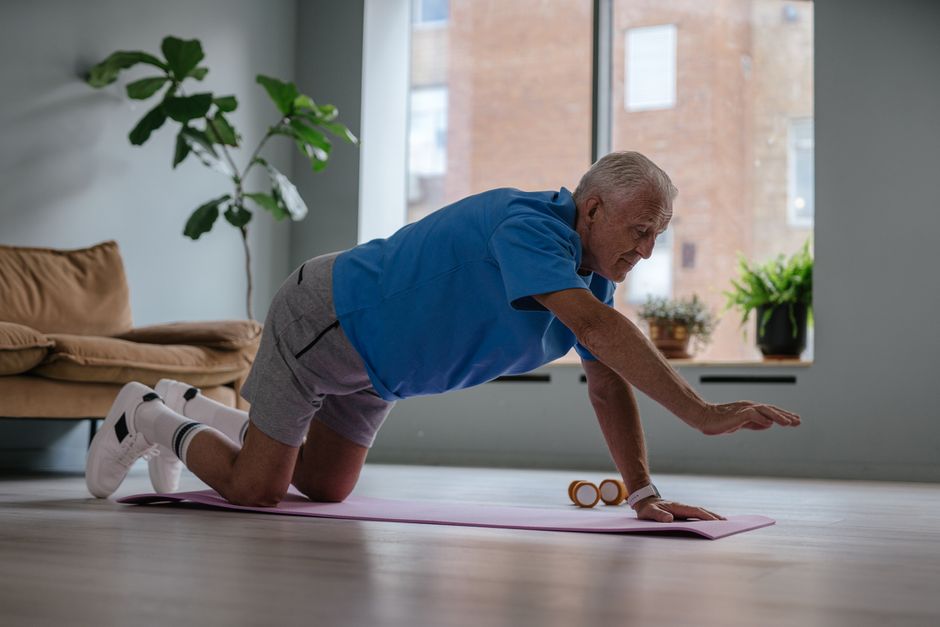
- Get them to a stable position. If they are on their back, help them roll onto their side, then onto hands and knees. This is often easier than going straight to standing.
- Place a sturdy chair nearby. A firm chair with arms is best. A soft armchair or a rolling office chair is not safe.
- Have them use the chair. With hands on the seat or arms of the chair, they bring one foot forward, plant it flat, and push up to a kneeling or half-kneeling position, then to standing.
- Stand close and support. Position yourself to the side and slightly behind. Let them hold your arm or forearm. Do not pull them up by the hands or under the arms.
- Let them sit and rest. Once up, have them sit in the chair for a few minutes before walking anywhere.
Never lift a person by the armpits or by pulling their arms. This can dislocate a shoulder and puts enormous strain on your own back. It is also how helpers get hurt.
If the person cannot get up this way after a couple of tries, stop. Call 911 or a non-emergency medical line. Emergency responders have equipment and training to move someone safely, and there is no shame in using them.
What If You Are Alone and Cannot Lift Them?
Do not attempt a solo lift of someone who cannot help. Call 911 and stay with them. Keep them warm with a blanket or coat, and make them as comfortable as possible without moving them.
If they are on the floor and it is safe to do so, place a pillow or folded clothing under their head. Do not give them food or drink in case they need medical care or surgery.
If you are the one who has fallen and you are alone, the advice is different. Try to get to a phone or use a medical alert device. If you cannot get up, keep moving your limbs gently to stay warm and call for help. Many communities have non-emergency numbers for exactly this situation.
How Do You Protect Your Own Back While Helping?
Most injuries to helpers come from lifting with the back instead of the legs. Even when you are only steadying someone, keep your body mechanics in mind.
- Keep your feet shoulder-width apart for a stable base
- Bend at the knees and hips, not the waist
- Keep the person close to your body
- Do not twist while supporting weight
- Ask for a second helper if the person is heavy or unsteady
If you have your own back or knee problems, do not attempt to help someone up alone. Call for assistance. Two careful people are far safer than one determined one.
What Should Happen After the Fall?
Getting up is only the first part. A fall in an older adult is a warning sign, and it deserves attention even if no one was hurt.
Watch for symptoms in the hours after. Headache, confusion, vomiting, unusual drowsiness, or a new weakness on one side all warrant urgent medical care. Some serious injuries do not show up right away.
Tell the person’s doctor about the fall. A clinician can check for causes such as low blood pressure on standing, medication side effects, vision problems, or balance issues. Many falls have more than one contributing factor.
Ask about a fall risk assessment. Clinical guidelines generally recommend that older adults who have fallen be evaluated for gait, balance, and strength, and offered exercises or other interventions to reduce the chance of falling again. Physical therapy and home safety reviews are common parts of that plan.
One detail worth knowing: fear of falling is itself a risk factor. People who become afraid often move less, which weakens muscles and worsens balance. Addressing that fear with a clinician or physical therapist is part of prevention, not a sign of weakness.
What Should You Have Ready Before a Fall Happens?
Preparation makes the next fall less dangerous. A few simple steps help.
- Keep a sturdy chair in each main room
- Store a phone within reach, including on the floor level if possible
- Consider a medical alert device for anyone who lives alone
- Remove loose rugs and clutter from walkways
- Add night lights along the path to the bathroom
- Keep a list of medications and emergency contacts handy
None of these prevent every fall. They do make it easier to respond calmly when one happens.
Frequently Asked Questions
Should you call 911 if an elderly person falls but says they are fine?
Call 911 if they hit their head, take a blood thinner, are confused, or have severe pain. Otherwise, watch them closely for the next several hours and contact their doctor about the fall.
Can you lift an elderly person by the arms?
No. Pulling someone up by the arms can dislocate a shoulder and strain your back. Help them use a sturdy chair and their own legs instead.
How long should an elderly person rest after a fall?
Have them sit and rest for a few minutes before walking. If they feel dizzy, weak, or unsteady after resting, seek medical advice rather than pushing them to move.
What if the person cannot get up even with help?
Stop trying and call 911. Keep them warm and comfortable on the floor until responders arrive, and do not give food or drink.
