
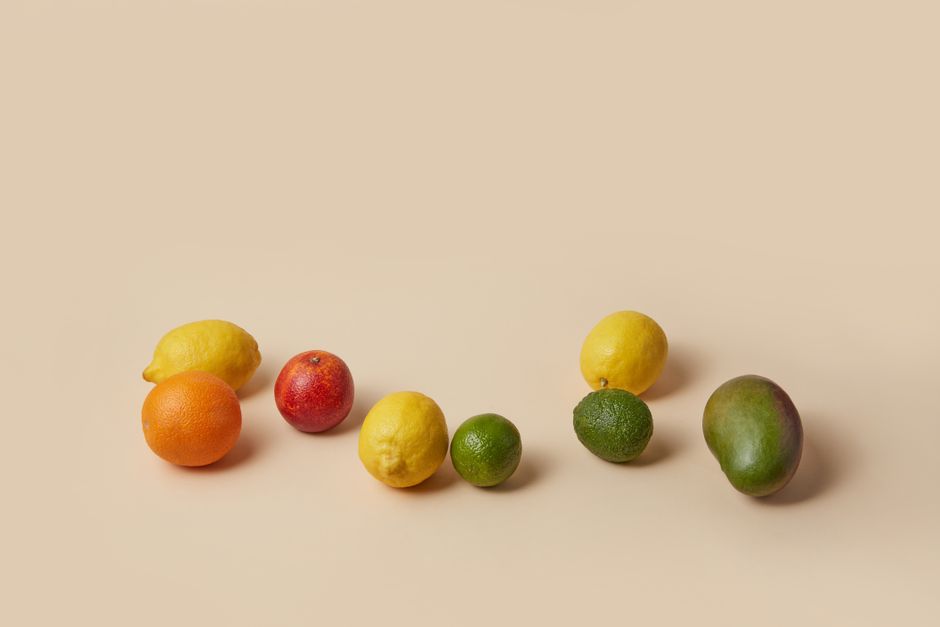
Peeling a mango can be messy, but the right method makes it simple. The fastest way is to slice off the two cheeks, score the flesh in a grid, and turn the skin inside out. You can then cut the cubes free with a knife or scrape them off with a spoon. This works for most mango varieties and gives you clean pieces without wrestling with the skin.
Why Is Peeling a Mango So Difficult?
Mango skin is smooth and slippery, which makes it hard to grip. The flesh underneath is soft and juicy, so any pressure can turn the fruit into mush. The large, flat pit in the center also gets in the way because it runs through the middle of the fruit, not around it.
The skin itself is not toxic, but it contains a compound called urushiol. This is the same substance found in poison ivy. Some people develop a rash on their hands after peeling many mangoes, especially if they are sensitive to it. Washing the fruit before peeling helps remove some of this compound from the surface.
How To Peel a Mango: The Cheek Method
This is the method most chefs use because it avoids the pit entirely. You do not actually peel the mango with a vegetable peeler. Instead, you cut the fruit away from the pit and then remove the skin from each piece.
Stand the mango upright on your cutting board with the stem end facing up. The pit is flat and runs vertically through the fruit. Find the widest side of the mango — this is where the flesh is thickest. Slice straight down, about half an inch from the center line, to remove one cheek. Repeat on the other side. You will be left with a center slab that still has the pit and some flesh attached.
Now take one cheek and score the flesh in a crosshatch pattern. Cut down to the skin but do not cut through it. Push the skin side inward so the cubes pop outward. Then slice the cubes off with a knife, or scoop them out with a spoon. The spoon method works especially well if the mango is very ripe and soft.
How To Peel a Mango With a Glass or Spoon
Some people prefer to remove the skin before cutting the flesh. This works best when the mango is ripe but still firm. Use a sharp vegetable peeler or a paring knife to remove the skin in long strips, following the curve of the fruit. Then cut the flesh away from the pit as described above.
Another popular trick involves a drinking glass. Cut the mango into two cheeks as described above. Hold one cheek in your hand with the skin facing outward. Press the edge of a glass against the flesh, just inside the skin line, and push the cheek down into the glass. The flesh separates from the skin and drops into the glass while the skin stays in your hand. This method works well but requires a glass with a thin, sturdy rim.
The spoon method is similar. Slide a spoon between the flesh and the skin, following the curve of the cheek. Work the spoon around until the flesh separates completely. This takes some practice but produces large, intact pieces.





How To Peel a Mango With a Knife Only
You can peel a mango with nothing but a knife, though it takes more care. Cut the cheeks off first. Then place each cheek flat on the cutting board, skin side down. Hold the skin with your fingers and slide the knife horizontally between the skin and the flesh, keeping the blade parallel to the board. Rock the knife gently to follow the curve of the skin.
This method gives you a flat piece of mango flesh that you can slice into strips or cubes. It is efficient if you are already using a knife for the rest of the preparation. The downside is that you lose a little flesh because the skin is not perfectly flat.
For the center piece with the pit, do not throw it away. There is still usable fruit attached. Hold the piece upright and slice downward along the pit to remove the remaining flesh. Then peel this piece using the same knife technique.
How To Peel a Mango for Slices or Cubes
The way you plan to use the mango determines the best peeling method. For cubes, the crosshatch method is fastest. For long slices — such as for salads or garnishes — use the knife or spoon method to remove the skin first, then slice the flesh into planks.
If you want mango chunks for smoothies, you do not need perfect pieces. Cut the cheeks off, scoop the flesh out with a spoon, and skip the scoring entirely. The flesh will be a little ragged, but it blends just as well.
For a mango that is very ripe and soft, the spoon method is the most reliable. A knife will often crush the flesh. For a firmer mango, the crosshatch method produces clean cubes that hold their shape.
How To Peel a Mango Without Making a Mess
Mango juice is sticky and can stain clothing. Work on a cutting board with a lip, or place a sheet of parchment paper underneath to catch drips. Keep a damp towel nearby for your hands.
You can also peel the mango over a bowl to collect the juice. The juice from the cheeks is often enough to drizzle over the cut fruit or use in a dressing. Pressing the pit piece with your hands can release additional juice, though this is more work than most people need.
If you are peeling multiple mangoes, wear kitchen gloves if you have sensitive skin. This prevents contact with urushiol and keeps your hands clean. Wash the cutting board and knife promptly after cutting, since mango juice dries into a stubborn film.
How To Peel a Mango That Is Not Ripe
An unripe mango has firm, pale flesh that does not separate easily from the skin. The spoon and glass methods will not work well because the flesh clings to the skin. Use a vegetable peeler instead. It will remove the skin in thin strips without wasting much fruit.
After peeling, slice the flesh away from the pit in thin planks. Unripe mango is often used in salads and slaws because it is tart and crunchy. It also pickles well. If you planned to eat it ripe, leave it on the counter at room temperature for a few days until it yields slightly to pressure.
How To Peel a Mango: Common Mistakes
One common mistake is trying to peel the mango before cutting off the cheeks. The skin is thin and the fruit is slippery, so a peeler can slip and cut your hand. Always cut the cheeks off first unless the mango is very firm.
Another mistake is cutting too close to the pit. The pit is flat, not round, so cutting down the center of the mango will hit it. Aim about half an inch to the side of the center line. You can feel the pit with your knife as you cut — it is hard and will stop the blade.
Do not press too hard when scoring the flesh. The goal is to cut down to the skin, not through it. If you cut through the skin, the cubes will not pop out cleanly and the juice will leak onto the board.
Frequently Asked Questions
Can you eat mango skin?
Yes, mango skin is edible, but it is tough and has a bitter taste. It also contains urushiol, which can cause a rash in sensitive people.
What is the easiest way to peel a mango?
The easiest method is to cut off the two cheeks, score the flesh in a grid, and turn the skin inside out. Then slice the cubes off with a knife or scoop them out with a spoon.
Do you need to peel a mango before eating it?
No, but most people prefer to remove the skin because it is fibrous and bitter. Some people eat the skin, but it is not the standard way to enjoy the fruit.
How do you peel a very ripe mango without crushing it?
Use the spoon method. Cut off the cheeks, then slide a spoon between the flesh and the skin to scoop the flesh out in one piece.
