
There is no single “correct” way to pee, but there are habits that help your bladder empty fully and habits that work against it. The most common mistakes are rushing, hovering over the toilet seat, straining to push urine out, and ignoring the urge to go until it becomes urgent. None of these cause harm in a single instance. Repeated over years, some can contribute to incomplete emptying or pelvic floor strain.
This guide explains what is well established about female urination, what is often done out of habit or convenience, and where the evidence is genuinely thin. It is not a diagnosis tool. If you have pain, blood in your urine, or a sudden change in urination, that is a reason to see a clinician, not to adjust your technique.
How Should a Woman Sit to Pee?
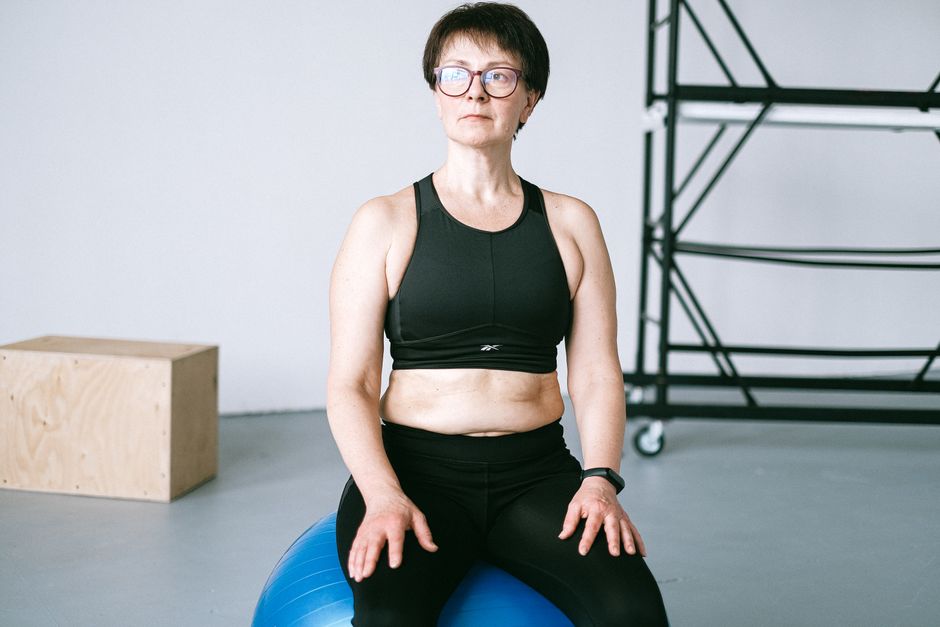
Sit fully on the toilet seat with your feet flat on the floor and your knees at or slightly above hip level. This position relaxes the pelvic floor muscles that surround the urethra, allowing urine to flow without effort.
The anatomy matters here. The female urethra is short — roughly 3 to 5 centimeters — and it passes through the pelvic floor. When those muscles are relaxed, urine flows easily. When they are tense, flow can be hesitant or incomplete.
Feet flat on the floor is the key detail. Many people sit with feet dangling, especially on taller toilets. If your feet do not reach the floor comfortably, a small stool under the feet can help. There is no strong clinical trial evidence that a specific footstool height changes bladder emptying in healthy women, but the general principle — relaxed pelvic floor, supported posture — is sound and widely taught in pelvic health physiotherapy.
Why Hovering Over the Toilet Seat Is a Problem
Hovering keeps the pelvic floor muscles tense. Those muscles are exactly the ones that need to relax for urine to flow freely.
The result is often incomplete emptying. You leave the toilet feeling like you could still go. Some women then return a few minutes later, or feel a constant sense of pressure.
Public toilet hygiene is a real concern for many people, and that concern is understandable. But the evidence does not support the idea that hovering protects you from infection. Skin contact with a toilet seat is not a recognized route of transmission for urinary tract infections, which typically arise when bacteria from the gut or skin near the perineum enter the urethra. A toilet seat is not a sterile surface, but it is not a documented source of urinary infection either.
If you want a barrier, a toilet seat cover or a piece of toilet paper laid on the seat lets you sit fully while addressing the hygiene concern. That is a practical compromise, not a medical recommendation.
Should You Push or Strain to Empty Your Bladder?
No. Urine should come out with minimal effort. Straining to push urine out is a habit that can work against you over time.
Normal urination involves the detrusor muscle — the smooth muscle in the bladder wall — contracting while the sphincter and pelvic floor relax. It is largely an involuntary coordination. Pushing with your abdominal muscles adds pressure but does not improve that coordination.
Habitual straining is associated with pelvic floor problems, including pelvic organ prolapse and hemorrhoids, though the evidence for a direct causal link to prolapse from straining alone is not definitive. What is clearer is that straining is a sign something may not be relaxing properly. If you regularly need to push hard to start or finish urinating, that is worth mentioning to a clinician.
A related habit: some women push urine out quickly to “get it over with.” Faster is not better here. Letting the bladder empty at its own pace, without forcing, is the goal.





What Is “Just in Case” Peeing and Why Does It Matter?
Going to the toilet “just in case” — before a long car ride, before bed, before a meeting — is common. Done occasionally, it is harmless. Done habitually, it can train the bladder to signal urgency at smaller and smaller volumes.
The bladder is a storage organ that fills and empties on a cycle. When you empty it before it is full, on a regular basis, you may gradually reduce the volume at which you feel the urge to go. Some clinicians describe this as a learned pattern rather than a disease. The evidence for this in healthy women is based largely on clinical observation and bladder training research rather than large trials, so treat it as a reasonable concern rather than a proven mechanism.
The practical distinction: emptying before a genuinely long stretch without a bathroom is sensible. Emptying every hour out of anxiety is a different habit.
How Long Should It Take to Pee?
A normal void takes roughly 20 to 30 seconds from start to finish for most healthy adults. There is no strict clinical cutoff, and times vary with how full the bladder is.
What matters more than the clock is the pattern. A stream that starts easily, flows without straining, and ends without dribbling is a good sign. A stream that starts and stops repeatedly, takes a long time to begin, or leaves you feeling not quite empty is worth discussing with a clinician.
Normal bladder capacity in adults is generally described as 300 to 500 milliliters, and most people feel the first urge to urinate somewhere around 150 to 250 milliliters. These are reference ranges, not targets. Fluid intake, temperature, caffeine, and medications all shift them.
Does Peeing in the Shower or Bath Cause Problems?
There is no established medical evidence that urinating in the shower causes harm in healthy women. The concern sometimes raised is that it conditions the bladder to associate running water with urination, potentially increasing urgency when you hear water later.
That idea is plausible but not well studied. No clinical trial has confirmed it. Some pelvic health clinicians advise against it as a habit, particularly for women who already experience urgency, but this is clinical opinion rather than established fact.
What is more relevant: urinating in the shower does not empty the bladder in a supported, relaxed posture the way sitting does. If you are trying to improve bladder emptying, sitting is the better choice.
Which Habits Actually Support Bladder Health?
The habits that matter most are not about technique at the toilet. They are about the day around it.
- Drink enough fluid. Concentrated urine irritates the bladder lining and increases urgency. Pale yellow urine is a reasonable everyday guide.
- Do not hold for long stretches. Regularly ignoring the urge can over time reduce bladder sensitivity and contribute to incomplete emptying, though individual tolerance varies widely.
- Limit bladder irritants if you are sensitive. Caffeine, alcohol, and artificial sweeteners are commonly reported triggers for urgency. The evidence is mixed and individual responses vary.
- Keep bowels regular. A full rectum presses on the bladder and can interfere with emptying. Constipation is a recognized contributor to urinary symptoms.
- Consider pelvic floor physiotherapy if symptoms persist. This is a well-established approach for urgency, frequency, and incomplete emptying, though access and evidence quality vary by condition.
One clarification worth making: pelvic floor exercises (Kegels) are often recommended for everything bladder-related. They are well established for stress incontinence — leaking with cough, sneeze, or exercise. They are not the right first step for urgency or incomplete emptying, where the pelvic floor may already be overactive and tense. Doing Kegels in that situation can make symptoms worse. A pelvic health physiotherapist can assess which pattern you have.
When Should You See a Clinician?
See a clinician if you notice blood in your urine, pain or burning when you urinate, fever with urinary symptoms, or a sudden change in your normal pattern that lasts more than a few days.
Other reasons to seek assessment: needing to urinate much more often than usual, a stream that has become weak or interrupted, difficulty starting urination, or a feeling of incomplete emptying that persists. These can have several causes, including urinary tract infection, pelvic floor dysfunction, medication effects, and other conditions. A single symptom does not identify a cause.
This article describes general principles. It is not a substitute for individual assessment, particularly if you are pregnant, postpartum, or have a known pelvic floor or neurological condition.
Frequently Asked Questions
Is it bad to hover over the toilet seat when peeing?
Hovering keeps your pelvic floor muscles tense, which can prevent your bladder from emptying fully. Sitting fully on the seat with feet flat on the floor allows those muscles to relax.
Should you push to make yourself pee faster?
No. Urine should flow with minimal effort, and straining works against the normal coordination of bladder and pelvic floor muscles. Regular straining is worth mentioning to a clinician.
How long should it take to pee normally?
Most healthy adults empty their bladder in roughly 20 to 30 seconds. A stream that starts easily and ends without dribbling matters more than the exact time.
Does peeing in the shower cause bladder problems?
No clinical evidence confirms that it does. Some clinicians advise against it as a habit for women with urgency, but this is opinion rather than established fact.
