
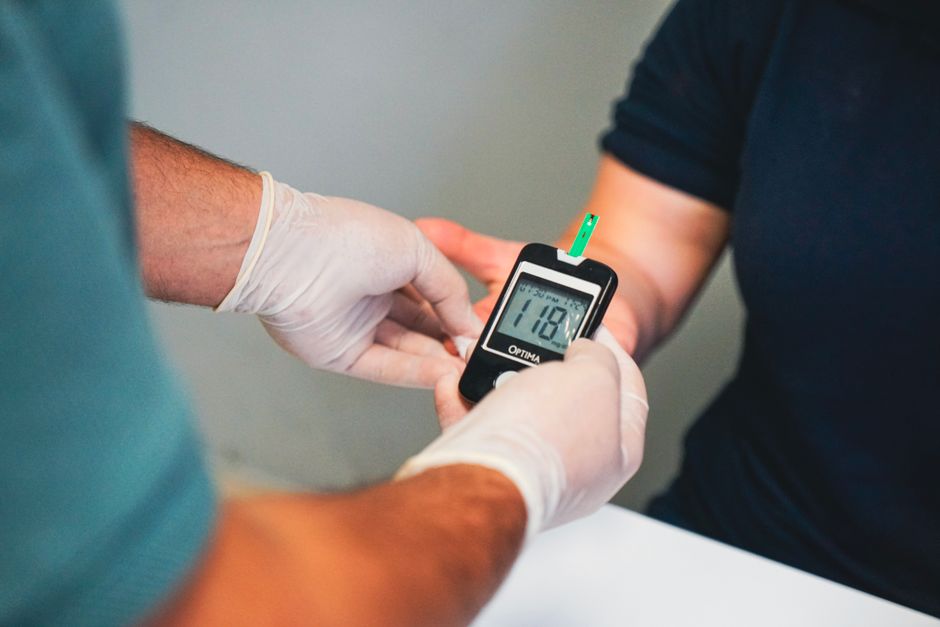
You cannot “pass” a glucose screening test by tricking it — but you can keep your result from being thrown off by things that have nothing to do with your blood sugar. The test measures how your body handles a set amount of glucose, and it is designed to detect real problems, not to be gamed. What you can control is the preparation: fasting when you are told to, eating normally in the days before, avoiding strenuous exercise right before, and telling the staff about any medication you take.
This guide explains what the test actually measures, why some results come back high, and what the numbers mean. It also separates the things that genuinely affect a result from the myths that do not.
What Is a Glucose Screening Test and Why Do Doctors Order It?
A glucose screening test measures how well your body moves sugar out of your bloodstream. You drink a set amount of glucose dissolved in water, and your blood is drawn at a timed interval afterward to see how much glucose is still circulating.
The most common version is the one-hour glucose challenge test, often used to screen pregnant women for gestational diabetes. You drink a glucose solution and have blood drawn one hour later. No fasting is required for this version.
A different test, the oral glucose tolerance test (OGTT), is longer and more involved. It is used to diagnose diabetes and prediabetes outside of pregnancy. For this test you fast beforehand, have a baseline blood draw, drink the glucose solution, then have blood drawn again at intervals — commonly at one and two hours.
There is also a shorter two-hour version used in pregnancy to confirm a diagnosis after a positive one-hour screen. That one requires fasting.
The test exists because type 2 diabetes and gestational diabetes can develop quietly. Blood sugar can drift upward for years without obvious symptoms. A screening test catches that drift early, when it is easier to act on.
How To Pass Glucose Screening Test: What You Can Actually Control
The single most important thing you can do is follow the fasting instructions exactly. If your test requires fasting and you eat or drink anything other than water, the result may be invalid or falsely elevated.
Fasting for a glucose test usually means nothing to eat or drink except water for 8 to 12 hours before the blood draw. Water is fine and actually helpful — being well hydrated makes the blood draw easier. Some labs allow sips of water up to the test time; ask your specific lab what they want.
In the days before the test, eat your normal diet. This surprises people. Some assume they should cut carbohydrates for a week to “clean up” their numbers. That can backfire. A very low-carbohydrate diet in the days before an OGTT can make your body handle the glucose drink poorly, producing a falsely high result. Eat the way you normally eat.
Other things that genuinely matter:
- Avoid strenuous exercise in the hours before the test. Hard exercise can shift blood glucose temporarily.
- Do not smoke on the morning of the test. Smoking affects glucose metabolism.
- Tell the staff about all medications and supplements. Some drugs — including certain steroids, diuretics, and antipsychotics — can raise blood glucose. Do not stop any prescription on your own. Let the clinician decide.
- If you are sick, ask whether to reschedule. Illness and infection can raise blood sugar. Many labs prefer you reschedule if you have a fever or active infection.
- Arrive rested. A poor night’s sleep can affect glucose tolerance, though the effect is modest.
During the test itself, sit quietly. Do not walk around, and do not eat or drink anything until the final blood draw. The glucose drink is calibrated to your body at rest. Activity during the waiting period changes the measurement.
What Does the Glucose Screening Test Actually Measure?
The test measures plasma glucose — the concentration of sugar in your blood at a specific moment. The number tells you how efficiently insulin moved that sugar out of your bloodstream and into your cells.
After you drink the glucose solution, your blood sugar rises. A healthy pancreas releases insulin, which signals your cells to take up the glucose. Within an hour or two, blood sugar should fall back toward normal. If it stays high, that suggests your body is not responding to insulin properly, or is not making enough of it.
The one-hour screening test is deliberately sensitive rather than specific. It is designed to catch anyone who might have a problem, which means it flags some people who turn out to be fine. A high one-hour result usually leads to a longer, more definitive test — not a diagnosis on its own.




What Do the Results Mean?
For the one-hour glucose challenge test in pregnancy, a result at or above 130–140 mg/dL is typically considered abnormal, depending on the threshold your clinic uses. Thresholds vary between practices. An abnormal screen is not a diagnosis — it means you need the longer test.
For the two-hour OGTT used to diagnose diabetes outside pregnancy, established criteria from major diabetes organizations define:
| Test | Normal | Prediabetes | Diabetes |
|---|---|---|---|
| Fasting glucose | 70–99 mg/dL | 100–125 mg/dL | 126 mg/dL or higher |
| 2-hour OGTT | Below 140 mg/dL | 140–199 mg/dL | 200 mg/dL or higher |
These thresholds are well established and used across clinical practice. A diagnosis typically requires confirmation with a second test on a different day, unless the result is unmistakably high or accompanied by clear symptoms.
For gestational diabetes, the diagnostic thresholds differ from the non-pregnant ones and vary somewhat by which guideline a practice follows. Your clinician will interpret your specific numbers in context.
Can You Fail a Glucose Test Without Having Diabetes?
Yes. A high result does not automatically mean you have diabetes or gestational diabetes. Several things can push a result up temporarily.
Acute illness, infection, or severe stress can raise blood glucose. So can certain medications. A poor night’s sleep before the test may nudge the number upward. Eating when you were supposed to be fasting is a common and avoidable cause of a falsely abnormal result.
In pregnancy, the one-hour screen has a fairly high false-positive rate by design. Many women who screen positive go on to have a normal two-hour test. This is expected, not a sign that the first test was wrong — it was doing its job by being cautious.
What a high result does not excuse is skipping the follow-up. If your screen is abnormal, completing the diagnostic test matters. It is the difference between a maybe and an answer.
What Does Not Work for Passing a Glucose Test
There is no food, drink, supplement, or trick that lowers a glucose test result in a way that reflects your real blood sugar. Anything that artificially changes the number defeats the purpose of the test and can hide a condition that needs treatment.
Claims that specific foods, apple cider vinegar, cinnamon, or herbal supplements will “beat” a glucose test are not supported by clinical evidence. Some of these have been studied for their effects on blood sugar over time, but none have been shown to reliably alter an acute screening result in a meaningful, tested way.
Fasting longer than instructed does not help either. It can stress the body and, in some cases, distort results. Follow the instructions you were given — no more, no less.
Drinking extra water to “dilute” your blood sugar does not work. Your body tightly regulates blood glucose concentration. Water does not change that.
If Your Result Is Abnormal, What Happens Next?
An abnormal screening result is a starting point, not an ending. The next step is usually a longer, more definitive test — the two-hour or three-hour OGTT — which gives a clearer picture.
If diabetes or gestational diabetes is confirmed, treatment is well established and effective. For gestational diabetes, management typically involves dietary changes, blood sugar monitoring, and sometimes medication. For type 2 diabetes and prediabetes, lifestyle changes and, when appropriate, medication can meaningfully change the course of the condition.
The point of screening is to find problems early enough to act. A result you did not want is still useful information. It gives you and your clinician something concrete to work with.
Frequently Asked Questions
Can I drink water before a glucose screening test?
Yes, plain water is generally allowed and encouraged, even when the test requires fasting. Confirm with your specific lab, since instructions can vary slightly between practices.
What happens if I accidentally eat before a fasting glucose test?
Tell the lab staff before your blood is drawn. Eating can raise your glucose and make the result unreliable, so the test may need to be rescheduled.
Does drinking lots of water help you pass a glucose test?
No. Your body regulates blood glucose concentration tightly, and water does not lower it. Staying hydrated helps with the blood draw, not the result.
Can stress or poor sleep affect my glucose test result?
Yes, both can raise blood glucose temporarily and affect the reading. Try to arrive rested and calm, though you cannot control every variable.
