
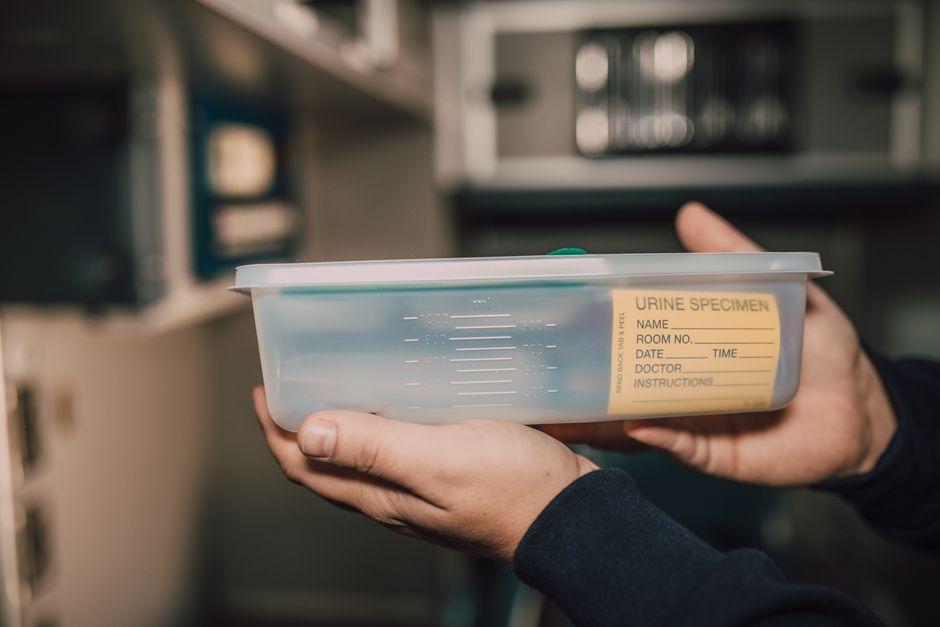
A urinalysis is a common test that examines your urine for signs of health problems. Passing one simply means providing a clean sample that shows no signs of disease or recent substance use. The most reliable way to do this is to be honest about what you have consumed and to follow the collection instructions carefully, as attempting to alter your urine is risky and often detectable.
What Does a Urinalysis Actually Test For?
A urinalysis is not a single test. It is a group of tests done on one sample of urine. It checks three main things: physical appearance, chemical content, and what is seen under a microscope.
The physical exam looks at color and clarity. Normal urine is pale yellow and clear. The chemical exam uses a dipstick to check for things like protein, glucose, blood, and signs of infection. The microscopic exam looks for red blood cells, white blood cells, and bacteria.
This test is used to screen for conditions like diabetes, kidney disease, and urinary tract infections. It is also used to monitor certain medications. When you are asked to take a urinalysis for a job or a sports program, the purpose is usually to screen for drug use, and the test is different from a standard medical urinalysis.
How To Pass A Urinalysis: The Honest Approach
The most direct way to pass a urinalysis is to have nothing to hide. If you are not using substances that the test screens for, you simply need to provide a sample that is not contaminated or diluted.
Here are the steps that matter for a clean, valid sample:
- Hydrate normally. Drink water as you usually would. Do not drink excessive amounts to force frequent urination. Overhydration can make your urine too dilute, which labs may flag as a reason to reject the sample.
- Collect midstream urine. This means you start urinating into the toilet, then move the cup into the stream, and finish in the toilet. This avoids picking up bacteria or cells from the skin.
- Clean the area first. If you are given a cleansing wipe, use it before collecting. This reduces contamination from the skin.
- Use the provided cup. Do not transfer urine from another container. The cup is sterile and sealed.
These steps are the standard instructions given in any medical setting. Following them correctly is the only legitimate way to ensure your sample is accurate.
Why Attempting To Cheat a Urinalysis Fails
Many people search for ways to beat a drug test. The internet is full of advice about detox drinks, masking agents, and synthetic urine. You should know that these methods are unreliable and often dangerous.
Detox drinks work by diluting your urine. Labs check for dilution by measuring creatinine, a waste product your body produces at a steady rate. If your urine is too watery, the lab flags it as diluted, and the test is considered invalid. You will be asked to provide another sample under observation.
Masking agents like aspirin or niacin are sometimes claimed to hide drug metabolites. No clinical evidence supports this. In fact, taking large doses of these substances can cause serious side effects and will likely not change your test results.
Synthetic urine is also risky. Labs now check for the presence of certain enzymes and proteins that are only found in real human urine. Many synthetic products are easily detected. Attempting to smuggle someone else’s urine is also a problem because the temperature of the sample is checked immediately after collection.
The bottom line is that trying to cheat a urinalysis is a losing game. The tests are designed to detect tampering, and getting caught can have worse consequences than failing the test itself.





What If You Have Nothing To Hide But Fail?
Sometimes a urinalysis comes back abnormal even when you have not used any substances. This is more common than you might think, and it is usually due to a medical condition rather than a lifestyle choice.
If your test shows blood in the urine, it could be from a urinary tract infection, kidney stones, or vigorous exercise. If it shows protein, it could be a sign of kidney stress. If it shows glucose, it could indicate diabetes. These are all conditions that require medical follow-up, not a reason to panic.
Certain foods can also affect urine color and smell. Asparagus is famous for causing a strong odor. Beets can turn urine pink or red. These are harmless changes, but they can be alarming if you do not expect them.
If you get an abnormal result, the right response is to talk to your doctor. They will likely repeat the test and possibly order more specific tests to understand what is going on. Do not try to fix the result on your own. The abnormal finding might be the first clue to a treatable health issue.
Medications and Supplements That Affect Results
Many common medications and supplements can change your urinalysis results. This does not mean you should stop taking them. It means you should tell the person ordering the test what you take.
Vitamin C supplements can interfere with the dipstick test for glucose and blood, sometimes causing false negatives. Antibiotics can make urine cloudy. Muscle-building supplements containing creatine can raise creatinine levels. Pain relievers like ibuprofen can sometimes cause protein to appear in the urine.
If you take prescription medication, the lab needs to know. The person who reads your results will interpret them in the context of your medication list. Withholding this information can lead to unnecessary worry or even unnecessary treatment.
Never stop a prescribed medication to pass a urinalysis without talking to your doctor first. The health risk of stopping a needed drug is far greater than the risk of an abnormal urine test.
When a Urinalysis Is for Medical Reasons vs. Employment
It is important to understand the difference between a medical urinalysis and a workplace drug test. They are not the same, and the rules are different.
A medical urinalysis is ordered by a doctor to diagnose or monitor a health condition. The results are confidential and protected by law. The focus is on your health, not on catching you doing something wrong.
A workplace drug test is a screening test for specific substances. It is usually done for pre-employment screening or random testing. The focus is on compliance with company policy. The collection process is more strict, and there are legal consequences for tampering.
If you are taking a workplace drug test, you should know what substances are being screened for. Most standard panels test for marijuana, cocaine, opiates, amphetamines, and PCP. Some test for more. If you take a prescription medication that could show up, you will need to provide proof of the prescription.
Be honest with the collection site about any prescription medications you take. This is standard practice, and it protects you from a false positive.
How Long Do Substances Stay in Your Urine?
If you are concerned about a substance showing up in your urine, the most important factor is time. Different substances stay in the body for different lengths of time.
Alcohol is detectable for only a short period, usually up to 12 hours. Cocaine can be detected for up to 4 days. Marijuana is different because it stays in fat cells. For occasional use, it can be detected for up to a week. For heavy, daily use, it can be detected for a month or longer.
These timeframes are general estimates. They vary based on your metabolism, body fat, and how much you used. No amount of water, exercise, or special tea can speed up this process significantly.
The only reliable way to pass a drug test is to allow enough time for the substance to leave your body. If you have a test coming up and you have used a substance, the honest answer is that you may not pass. The safest choice is to delay the test if possible, but that is not always an option.
Common Myths About Passing a Urinalysis
There is a lot of bad advice online about passing urine tests. Let’s address a few common myths directly.
Myth: Drinking vinegar or lemon juice will clean your system. This is false. These acidic drinks do not remove drug metabolites from your body. They can irritate your stomach and may temporarily change urine pH, which some labs check as a sign of tampering.
Myth: Exercise will flush toxins out. Exercise burns fat, which releases stored metabolites into your bloodstream. This can actually increase the concentration of drugs in your urine temporarily. It is not a reliable method.
Myth: Drinking massive amounts of water will dilute the test safely. Labs check for dilution. If your urine is too dilute, the test is invalid and you will be asked to repeat it. Heavy water intake right before a test is a red flag.
Myth: You can use someone else’s clean urine. Collection is often observed or temperature-checked. This method is easily caught and carries serious consequences.
None of these myths are backed by clinical evidence. They are internet folklore that can get you in trouble.
Frequently Asked Questions
Can I drink coffee before a urinalysis?
Yes, but it may affect your results. Coffee is a diuretic and can make your urine more concentrated, which might show up as a higher specific gravity. It is best to drink water and avoid coffee for a few hours before the test.
What color should my urine be for a normal test?
Pale yellow is the normal color. Clear urine can indicate overhydration, and dark yellow or amber urine indicates dehydration. Both extremes can cause a lab to question the sample.
Will a UTI show up on a urinalysis?
Yes, usually. A urinalysis can detect white blood cells, red blood cells, and bacteria in the urine, which are signs of a urinary tract infection. Your doctor will use these findings to decide if treatment is needed.
Can stress affect my urinalysis results?
Stress alone does not directly change urine chemistry. However, stress can affect your blood pressure and blood sugar, which can lead to temporary protein or glucose in the urine. If this happens, your doctor will likely repeat the test.
