
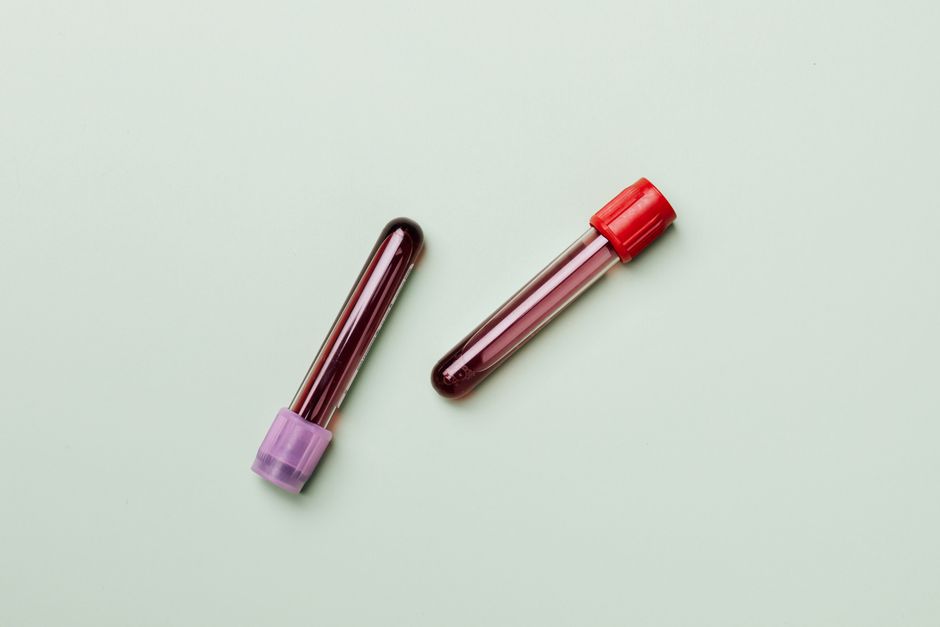
Plasma donation centers screen every donor for signs of infection, and one of the tests they run looks for syphilis. The SPE test is part of that screening. “SPE” stands for serologic test for syphilis, and passing it means your blood shows no evidence of an active syphilis infection. There is no trick, diet, or supplement that changes the result. The test reflects your actual health status, and the only reliable way to pass it is to not have syphilis.
If you have never had syphilis, you will pass. If you have been treated and cured, you may still test positive on some screening tests for months or years afterward, which can complicate the donation process even though you are no longer infected. Understanding how the test works, what causes a positive result, and what happens next can save you confusion at the donation center.
What Is the SPE Test for Plasma Donation?
The SPE test is a blood test that screens for antibodies the body produces in response to the bacterium Treponema pallidum, which causes syphilis. Plasma centers run this test on every donation because plasma is pooled and given to patients with serious medical conditions, including immune disorders and bleeding problems. One infected unit could contaminate an entire pool.
Syphilis is a bacterial infection spread mainly through sexual contact. It can also pass from a pregnant woman to her fetus. The infection moves through stages, and the early stages often produce a painless sore that people may not notice. This is one reason screening matters. Many people with syphilis do not know they have it.
The test itself is not checking for the bacterium directly. It is checking for antibodies, which are proteins your immune system makes to fight the infection. This distinction matters because antibodies can stay in your blood long after the infection is gone.
How Does the SPE Test Actually Work?
Screening for syphilis typically happens in two steps. The first step is a nontreponemal test, such as the RPR (rapid plasma reagin) or VDRL (Venereal Disease Research Laboratory) test. These tests detect antibodies that appear during infection but are not specific to syphilis. They can occasionally react to other conditions, which is why a positive result needs confirmation.
The second step is a treponemal test, such as TP-PA or an enzyme immunoassay. These tests look for antibodies specific to Treponema pallidum. They are more accurate at confirming whether syphilis exposure has occurred.
Some labs now use a reverse sequence, starting with the treponemal test first. The exact order depends on the laboratory and the donation center. What matters for you as a donor is the final interpretation, not the sequence.
A negative result on the screening test generally means you are cleared to donate, assuming all other eligibility requirements are met. A positive result triggers additional review and often a confirmatory test.
What Causes a Positive SPE Test?
A positive SPE test usually means you have or had syphilis. But there are exceptions, and they matter.
Treponemal tests can stay positive for life, even after successful treatment. If you were treated for syphilis years ago, your treponemal test may still be reactive. This does not mean you are infected or contagious. It means your immune system still carries the memory of that infection.
Nontreponemal tests, by contrast, often become negative after successful treatment. The antibody levels they measure tend to fall over time. Doctors sometimes use these levels to track whether treatment worked.
False positives can also happen. Nontreponemal tests may react in people with certain autoimmune conditions, other infections, or even pregnancy. This is why no single test result is treated as final without confirmation.
If you test positive at a plasma center, the center will typically defer you and may ask you to follow up with your own doctor for evaluation. Being deferred does not automatically mean you have syphilis. It means the center needs more information before accepting your plasma.
How To Pass a SPE Test for Plasma Donation
The only way to pass the SPE test is to not have an active syphilis infection. There is no food, drink, supplement, or timing strategy that changes the result. This is not a test you can influence through preparation the way you might prepare for a cholesterol screening.
If you have never had syphilis, you will pass. If you have been treated and cured, you may still test positive on treponemal tests. In that case, the donation center will follow its own policies, which vary. Some centers permanently defer anyone with a history of syphilis. Others may allow donation with documentation of treatment and cure. You would need to ask the specific center about its rules.
Here is what actually helps:
- Get tested through your doctor if you have any reason to think you may have been exposed to syphilis.
- Complete treatment fully if you are diagnosed. Syphilis is curable with antibiotics, typically penicillin.
- Wait until your doctor confirms the infection is cleared before trying to donate.
- Bring documentation of treatment and cure if you have a history of syphilis and want to discuss eligibility with a center.
What does not help: drinking water, fasting, avoiding certain foods, taking herbs, or timing your donation around anything. None of these affect antibody levels.
What Happens If You Test Positive at a Plasma Center?
You will be notified, and the center will defer you from donating. The deferral may be temporary or permanent depending on the center’s policy and your situation. The center is required to report certain test results to public health authorities, as syphilis is a reportable disease in the United States.
You will likely be advised to see your own doctor for evaluation and treatment. Plasma centers screen for donor safety, not to diagnose or treat you. They are not your medical provider.
If you are diagnosed with syphilis, treatment is straightforward. A single injection of penicillin is the standard treatment for early syphilis. Later stages may require additional doses. Your doctor will explain the specifics based on your stage of infection.
After treatment, your nontreponemal test levels should decline. Your doctor may monitor these levels to confirm the infection is gone. Your treponemal test may remain positive for life, which is why some centers use it as a permanent deferral criterion.
Can You Donate Plasma After Being Treated for Syphilis?
Possibly, but it depends on the center. There is no single national rule that applies to every plasma collection company. Each company sets its own donor eligibility criteria within broad regulatory frameworks.
Some centers permanently defer anyone with a history of syphilis, regardless of treatment. Others may consider donors case by case if they can provide medical documentation showing the infection was treated and cured. The only way to know is to ask the center directly.
If you are permanently deferred at one center, you may still be eligible at another. Policies differ. This is not a situation where one answer fits all.
What is consistent across centers is the requirement to screen every donation. The SPE test is not optional. It is part of the standard panel that also includes tests for HIV, hepatitis B, hepatitis C, and other infections.
Why Plasma Centers Screen for Syphilis
Plasma from many donors is pooled and processed into therapies for people with weakened immune systems, bleeding disorders, and other serious conditions. These patients often cannot fight infections well. A contaminated unit could cause serious harm.
Syphilis is one of several infections that can be transmitted through blood and plasma. Screening reduces that risk to very low levels, though no screening system is perfect. The test is one layer of protection among many.
Donors sometimes find the screening process invasive or frustrating, especially when a positive result turns out to be a false alarm or a remnant of a past cured infection. But from a public health standpoint, the screening exists for good reason.
Frequently Asked Questions
Can I pass the SPE test if I had syphilis years ago?
You may still test positive on treponemal tests even after successful treatment, because those antibodies can persist for life. Whether a center accepts you depends on its specific policy, so you would need to ask directly.
What does a positive SPE test mean for plasma donation?
A positive result means the center will defer you from donating and may ask you to follow up with your own doctor. It does not always mean you have an active infection, since past treated syphilis and false positives can also cause a positive result.
Is there anything I can eat or drink to pass the SPE test?
No. Diet, hydration, supplements, and timing do not affect syphilis antibody levels. The test reflects whether your immune system has been exposed to the bacterium that causes syphilis.
How long after treatment for syphilis can I donate plasma?
There is no universal waiting period because plasma centers set their own eligibility rules. Some permanently defer anyone with a history of syphilis, while others may allow donation with documentation of treatment and cure.
