
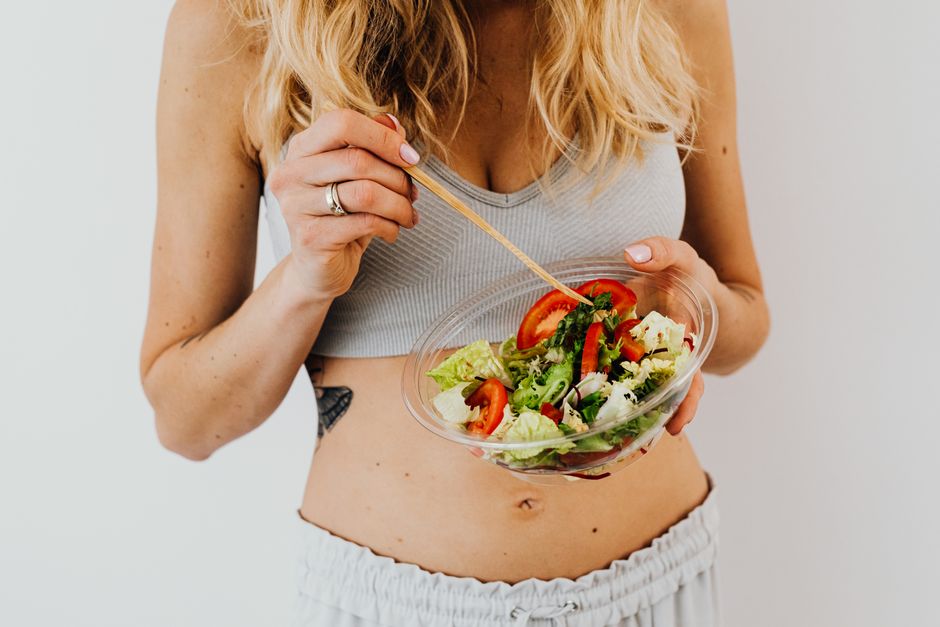
Your gut holds trillions of bacteria, and what you eat and how you live shape which ones thrive. To optimize gut health with diet and daily habits, focus on fiber-rich foods, variety in plant foods, fermented foods where tolerated, regular physical activity, adequate sleep, and thoughtful use of antibiotics. These steps support the gut bacteria you already have rather than promising a quick fix.
The science here is real but often oversold. Researchers have mapped clear links between diet and the gut microbiome. What they have not done is prove that any single food or supplement transforms your gut into an ideal state. This article separates what the evidence supports from what marketing claims.
What Does The Gut Microbiome Actually Do?
Your gut microbiome is the collection of bacteria, fungi, viruses, and other microorganisms living mainly in your large intestine. It is not a passive passenger. These organisms help break down fiber your body cannot digest, produce certain vitamins, and interact with your immune system.
The gut lining is a single layer of cells that separates what is inside your intestine from your bloodstream. That barrier is selective. It lets nutrients through while keeping bacteria and toxins out. The microbiome and this barrier influence each other constantly.
Some of the strongest evidence links gut bacteria to immune function. A large share of your immune cells sit in the gut wall. Research has shown that germ-free animals, raised without any gut bacteria, develop poorly formed immune systems. This tells us the microbiome matters for immunity, though the details in humans are still being worked out.
Gut bacteria also produce short-chain fatty acids, especially butyrate, when they ferment fiber. Butyrate feeds the cells lining your colon. This is one of the clearest mechanisms connecting fiber intake to gut health.
The microbiome differs widely between people. Two healthy adults can have very different bacterial communities. There is no single “correct” microbiome, which is why one-size-fits-all advice rarely holds up.
How To Optimize Gut Health With Diet And Daily Habits
Fiber is the single most evidence-supported dietary lever for gut health. Your gut bacteria ferment fiber that your body cannot digest, and that fermentation produces short-chain fatty acids that nourish the colon lining. Most adults in the US eat far less fiber than recommended.
Federal dietary guidelines recommend about 25 to 30 grams of fiber daily for adults, depending on age and sex. Most people get roughly half that. The gap is where the opportunity lies.
Fiber comes from plants, and different plants feed different bacteria. That matters more than most people realize. Eating the same high-fiber food every day is less useful than eating a range of plant foods.
- Whole grains like oats, barley, and brown rice
- Legumes such as beans, lentils, and chickpeas
- Vegetables including leafy greens, broccoli, and carrots
- Fruits like berries, apples, and bananas
- Nuts and seeds
Increase fiber gradually. Jumping from low to high fiber quickly can cause bloating and gas as your bacteria adjust. Give your gut a few weeks to adapt.
Fermented foods are a separate category. Yogurt with live cultures, kefir, sauerkraut, kimchi, and tempeh contain live microorganisms. Some studies suggest regular intake of fermented foods may increase the diversity of gut bacteria, though results vary and not everyone tolerates them well. If fermented foods upset your stomach, they are not mandatory.
Beyond diet, daily habits matter. Physical activity is associated with a more diverse microbiome in observational studies. Sleep matters too. Disrupted sleep and stress affect the gut through the gut-brain axis, the two-way communication between your digestive system and nervous system.
One clarification worth making: probiotics sold as supplements are not the same as fermented foods. The evidence for most probiotic supplements is limited and strain-specific. No large trials confirm that a generic probiotic capsule improves gut health in healthy adults.
Which Foods Harm Gut Health?
No single food destroys your gut. The evidence does not support the idea that one ingredient wrecks your microbiome. What matters is the overall pattern of what you eat.
Diets low in fiber and high in highly processed foods are consistently associated with less diverse gut bacteria. This is an association, not proof of cause in every case, but the pattern shows up repeatedly in research.
Heavy alcohol use is linked to changes in gut bacteria and to increased permeability of the gut lining. Moderate drinking is less clear, and the evidence does not support a confident threshold for gut health specifically.
Artificial sweeteners are often blamed for gut problems. Some studies in animals and small human studies suggest certain sweeteners may shift gut bacteria, but the human evidence is limited and mixed. It is too early to say they harm the gut in the way headlines suggest.
What about gluten? For people with celiac disease, gluten causes real damage to the small intestine, and avoiding it is medically necessary. For people without celiac disease, the evidence that gluten harms the gut is weak. Many people who feel better avoiding it may be reacting to something else, or to the overall diet change.





Do Probiotics And Supplements Help?
The evidence for probiotic supplements is narrow and specific. Some strains have shown benefit in particular situations, such as reducing antibiotic-associated diarrhea. That is not the same as improving gut health in generally healthy people.
Probiotics are live microorganisms, and different products contain different strains at different doses. A study showing benefit for one strain does not transfer to another. This is why “probiotic” on a label tells you little about whether it will do anything.
Prebiotics are different. These are types of fiber that feed beneficial bacteria. They occur naturally in foods like garlic, onions, bananas, and oats. Prebiotic supplements exist, but food sources are well established and generally cheaper.
If you are considering a probiotic supplement, talk with a healthcare provider, especially if you have a weakened immune system or a serious illness. Probiotics are not risk-free for everyone, and in rare cases have caused infections in vulnerable people.
No supplement has been shown to overhaul a healthy person’s microbiome. The evidence does not support that claim, no matter how the product is marketed.
How Do Sleep, Stress, And Exercise Affect Gut Health?
The gut and brain communicate constantly through the gut-brain axis. This is not a metaphor. The vagus nerve physically connects the gut and brain, and gut bacteria produce compounds that influence brain function.
Psychological stress is associated with changes in gut bacteria and with worsened digestive symptoms. This connection is well documented in conditions like irritable bowel syndrome, where stress clearly affects symptoms. For healthy people, the effect is real but the size of it is not well quantified.
Sleep disruption is linked to changes in the microbiome in some studies. The direction of cause is not fully clear. Poor sleep may change gut bacteria, and gut bacteria may affect sleep. Both directions appear possible.
Regular physical activity is associated with greater microbial diversity in observational research. Again, this is an association. Active people may differ from inactive people in many ways that also affect the gut.
Practical steps with reasonable support include regular moderate exercise, consistent sleep schedules, and stress management approaches like breathing exercises or time outdoors. These are low-risk and may help, though their specific effects on gut bacteria in healthy adults are not precisely established.
What About Antibiotics And Gut Disruption?
Antibiotics can significantly disrupt gut bacteria. This is well established. A course of antibiotics can reduce bacterial diversity, and recovery varies from person to person. Some bacteria return quickly, others take months, and some may not fully return.
This does not mean avoiding antibiotics when you need them. Bacterial infections can be serious, and antibiotics save lives. The point is to use them only when appropriate and as prescribed.
Antibiotic resistance is a growing problem, partly driven by unnecessary use. Taking antibiotics for viral infections like colds does nothing for the virus and only disrupts your gut. This is one area where a simple habit, asking your doctor whether an antibiotic is truly needed, can protect your gut and public health at once.
Some clinicians recommend probiotic use alongside antibiotics to reduce the risk of antibiotic-associated diarrhea. The evidence supports this for certain strains, but it is not a guarantee of protecting your microbiome overall.
How Long Does It Take To Improve Gut Health?
Gut bacteria can shift within days of a diet change. Studies tracking diet shifts have found measurable changes in the microbiome within a few days to a couple of weeks. But lasting change takes longer.
Recovery after antibiotics can take weeks to months, and varies widely between people. There is no reliable timeline that applies to everyone.
The honest position is that gut health is not a destination you reach and then forget. It reflects ongoing habits. Consistent fiber intake, plant variety, physical activity, and sleep matter more than any short-term intervention.
Be wary of any product promising to “reset” or “fix” your gut in a set number of days. No clinical evidence supports those claims.
Frequently Asked Questions
What is the fastest way to improve gut health?
Increasing fiber from a variety of plant foods is the most evidence-supported step, and gut bacteria can begin to shift within days. Lasting change depends on consistent habits rather than a quick fix.
Are probiotics necessary for gut health?
No, probiotics are not necessary for most healthy people, and the evidence for general benefit is limited. Fermented foods and fiber-rich diets have broader support than probiotic supplements.
Does sugar feed bad gut bacteria?
A diet high in added sugar and low in fiber is associated with less diverse gut bacteria, but no single food directly “feeds bad bacteria.” The overall dietary pattern matters more than any one ingredient.
How do I know if my gut is healthy?
There is no single test that defines a healthy gut, and symptoms like regular digestion and minimal discomfort are reasonable signs. Bacterial diversity varies widely between healthy people, so a lab result alone does not tell the full story.
