
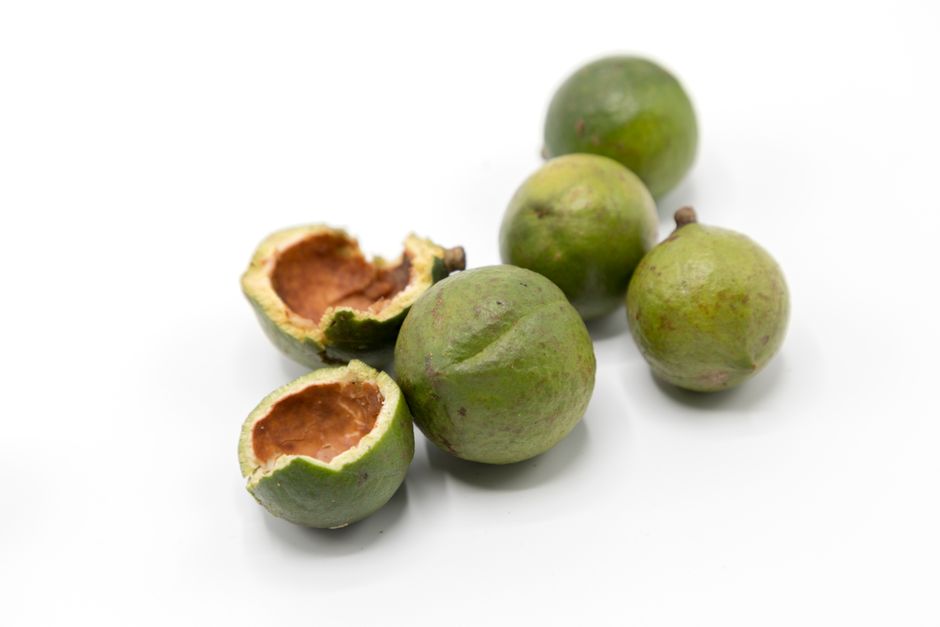
Macadamia nuts have the hardest shell of any nut sold for food, and the shell is the reason most people never try to crack them at home. The most reliable method is a vise or a dedicated nutcracker applied to the shell’s natural seam, after scoring it. The shell is roughly 2 to 3 millimeters thick and dense enough that ordinary hand nutcrackers often fail. A hammer works too, but only if you control the force carefully, because the kernel inside is soft and bruises easily.
What most people do not realize is that the hard shell is not the whole problem. The kernel sits loosely inside and shatters almost as readily as the shell cracks. That changes how you approach the job. Slow, controlled pressure beats a sharp blow every time.
Why Are Macadamia Shells So Hard to Crack?
Macadamia shells are among the toughest plant structures in the food supply, and that toughness is not an accident of nature. The shell evolved to survive falls from tall trees and to resist insects and birds. It is dense, woody, and built with interlocking fibers that distribute force across the whole shell rather than letting it split cleanly.
The commercial industry does not crack macadamias by hand. Processing plants use steel rollers that apply a controlled compressive force, then separate shell from kernel by density. The fact that commercial operations need industrial equipment tells you something honest about the home version: there is no effortless trick. Anyone claiming a simple hack cracks them every time is overselling.
There is a second difficulty. The kernel is unusually high in oil, roughly 75 percent fat by weight. That makes it soft and prone to crushing. When the shell finally gives way, the energy often transfers straight into the kernel. You can end up with a cracked shell and a mashed nut.
What Is the Best Way to Open Macadamia Nuts at Home?
A bench vise is the most controllable tool for the job. It applies slow, steady pressure rather than a sudden impact, which is exactly what a macadamia shell needs. A heavy-duty nutcracker or a C-clamp can also work.
Here is the sequence that tends to work:
- Score the shell first. Use a small saw or a sturdy knife to cut a shallow line along the natural seam. Do not cut deep. You are creating a starting point for the crack, not trying to reach the kernel.
- Position the nut in the vise. Line the scored seam up with the jaws so the pressure pushes the crack open rather than fighting it.
- Tighten slowly. Turn the handle in small increments. Stop the moment you hear or feel the shell begin to give.
- Release and separate. Once the shell cracks, take the nut out and pry the pieces apart with a small pick or your fingers.
The scoring step is the part most people skip, and it is the part that matters most. Without a starting line, the force spreads across the shell and you need much more pressure, which increases the odds of crushing the kernel.
Can You Open Macadamia Nuts Without a Vise?
Yes, but the alternatives require more care. A hammer is the most common fallback and it works if you use a controlled tap rather than a swing.
Wrap the nut in a cloth or hold it on a hard, stable surface. Use the flat face of a hammer and tap firmly but gently, rotating the nut between taps. The goal is to create small cracks around the shell rather than one big break. This takes patience. A single hard strike will almost certainly destroy the kernel.
Pliers can work on smaller nuts. Grip the nut along the seam and squeeze gradually, adjusting your grip as the shell starts to fail. Standard hand nutcrackers are often not strong enough for macadamias, though heavier models sometimes manage it. If the nutcracker bends or slips without cracking the shell, stop. Forcing it risks the tool snapping.
A word of caution on the hammer method: flying shell fragments are sharp and fast. Wear eye protection if you are cracking more than a few nuts, and work over a surface that will catch the pieces.
How Do You Keep the Kernel Whole When Cracking?
Whole kernels come from slow pressure and early stopping, not from better tools. The single biggest mistake is continuing to apply force after the shell has already started to fail.
Watch and listen for the first sign of a crack. That is your signal to stop and separate the shell by hand. The kernel is soft enough that leftover pressure from a vise or hammer will crush it even after the shell has opened.
Temperature matters too. Chilled macadamia kernels are firmer and hold their shape better under pressure. Some people refrigerate nuts for about 30 minutes before cracking. The shell is unaffected, but the kernel resists bruising. This is a practical tip rather than a tested technique, but the reasoning is sound and the risk is zero.
Freshness also plays a role. Older shells dry out and become more brittle, which makes them easier to crack but also more likely to splinter unpredictably. Very fresh shells are tougher and hold together better under pressure.
Do You Need to Roast Macadamia Nuts Before or After Cracking?
Roast after cracking, not before. Heating a whole nut softens the kernel and makes it more likely to crush when the shell finally breaks. Raw kernels are firmer and survive the process better.
Once the shells are off, spread the kernels on a baking sheet in a single layer and roast at a moderate oven temperature, around 300°F (about 150°C), for roughly 10 to 15 minutes. Watch them closely. The high oil content means they can go from golden to scorched quickly. Stir once or twice during roasting for even browning.
Roasting changes the flavor noticeably. Raw macadamias are mild and slightly creamy. Roasted ones develop a deeper, nuttier taste and a crispier texture. Both are fine to eat. The choice is preference, not safety.
Are Macadamia Nuts Hard to Digest or Risky to Eat Raw?
Raw macadamias are safe to eat and do not require cooking. They are not toxic in their natural state, unlike some other nuts and seeds that need processing. The main digestive consideration is fat content.
Macadamias are very high in fat, around 75 percent by weight, which is higher than most other nuts. For most people this is not a problem in normal amounts. For anyone with gallbladder issues or fat malabsorption, large portions can cause discomfort. That is a general principle about high-fat foods, not something specific to macadamias.
Portion size deserves a mention. Macadamias are calorie-dense, and it is easy to eat far more than intended. A small handful is a reasonable serving. This is not a warning about danger, just an honest note about how quickly the calories add up.
What Should You Do With Shells That Will Not Crack?
Some shells simply will not open cleanly no matter what you try. This happens with very fresh, dense shells or with nuts that have an unusual shape. Do not keep applying more force. That is how tools break and fingers get hurt.
Set stubborn nuts aside and try a different approach. A longer soak in the vise, a different angle on the score line, or a switch to the hammer method often solves it. If a nut still will not open after a reasonable attempt, discard it. The kernel inside may be shriveled or damaged anyway.
One practical note about buying: macadamias sold in the shell are usually sold whole and unroasted. If you want the convenience of ready-to-eat kernels, buying them shelled is a reasonable choice. The shelling process at commercial scale is far more efficient than anything you can do at home, and the price difference often reflects that.
Frequently Asked Questions
Can you crack macadamia nuts with a regular nutcracker?
Usually not. Standard hand nutcrackers are often not strong enough for macadamia shells, which are among the hardest of any edible nut. A bench vise or heavy-duty tool is more reliable.
Should you soak macadamia nuts before cracking them?
Soaking softens the kernel but does not meaningfully soften the shell. It can make the kernel more prone to crushing, so it is generally better to crack first and soak or roast afterward if desired.
How long do shelled macadamia nuts last?
Shelled macadamias keep for several weeks in an airtight container at room temperature and longer in the refrigerator. Their high oil content means they can turn rancid over time, so store them cool and check for an off smell before eating.
Are macadamia shells toxic to pets?
Macadamia nuts themselves are toxic to dogs and can cause weakness and vomiting. Keep both shells and kernels well out of reach of pets, and contact a veterinarian promptly if a dog eats any.
