
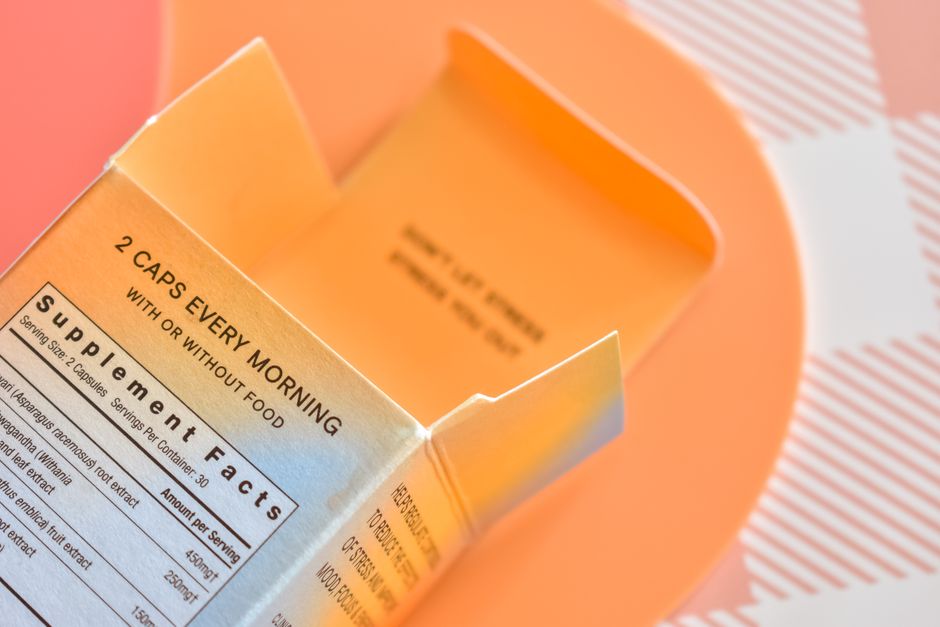
Opening a health supplement store takes planning, money, and attention to strict regulations. You need a clear business plan, proper licenses, reliable suppliers, and a way to reach customers who trust your products. The process breaks down into manageable steps, from choosing your business model to passing your first inspection.
How To Open A Health Supplement Store Step By Step?
Start with a business plan that covers your target customer, startup costs, and monthly operating expenses. Then choose a business structure, register your company, secure funding, and obtain the required licenses. After that, find suppliers with third-party testing, set up your retail space or website, and build an inventory plan. Finally, develop a marketing strategy and open your doors.
The supplement industry is competitive. Success depends on knowing the rules and building customer trust. This guide walks through each phase in order.
What Are the First Legal Steps?
Your first move is choosing a business structure. Most supplement store owners choose an LLC because it separates personal assets from business liability. An LLC also gives you flexibility on taxes. A sole proprietorship is simpler but leaves your personal assets exposed if a customer sues.
Register your business name with your state. Get an Employer Identification Number from the IRS even if you have no employees. You will need it to open a business bank account and pay taxes.
Check your state and local requirements carefully. Some states require a specific retail license. Others require a sales tax permit. Your city or county may need a zoning approval or a certificate of occupancy before you can legally sell to the public.
Insurance is not optional in this business. Product liability insurance protects you if a customer claims a product harmed them. General liability insurance covers slips, falls, and property damage. Some landlords require both before signing a lease.
How Much Money Do You Need To Start?
Startup costs vary widely by business model. An online-only store can launch with less than $10,000 if you keep inventory small. A brick-and-mortar store in a good location typically costs $50,000 to $150,000 to open. These figures include lease deposits, shelving, signage, initial inventory, licenses, insurance, and marketing.
Inventory is usually your biggest expense. A small physical store needs at least $20,000 in products to look credible. An online store can start with less but should plan to reinvest profits into a deeper catalog.
Do not forget working capital. You need cash to cover rent, utilities, and payroll for at least six months. Many new stores fail not because sales are bad but because they run out of money before the business becomes profitable.
Funding options include small business loans from banks, SBA loans, personal savings, and investors. The SBA microloan program offers smaller amounts that can work well for retail startups. Be realistic about your numbers before borrowing.





What Licenses and Certifications Do You Need?
The supplement industry is regulated by the FDA under the Dietary Supplement Health and Education Act of 1994. The FDA does not approve supplements before they go on the market. Instead, manufacturers are responsible for ensuring their products are safe and properly labeled. Retailers share some responsibility for selling only compliant products.
You do not need a pharmacy license to sell supplements. However, you may need a specific retail license depending on your state. Some states require a license to sell products containing certain ingredients. Check with your state’s department of health and department of agriculture.
If you sell any products that meet the legal definition of a food, your local health department may inspect your store. This is more common if you sell protein bars, drinks, or other edible items alongside supplements.
The Federal Trade Commission also monitors supplement advertising. You cannot claim that a product treats, cures, or prevents any disease. Doing so makes the product an unapproved drug in the eyes of the FDA. This applies to your website, in-store signage, and anything your staff says to customers.
How Do You Choose Reliable Supplement Suppliers?
Supplier selection is the most important decision you will make. A bad supplier can sell you mislabeled products, contaminated goods, or items that fail lab testing. This puts your customers at risk and exposes you to legal liability.
Look for manufacturers that follow Good Manufacturing Practices. The FDA requires all supplement manufacturers to follow these rules. GMP-compliant facilities test their raw ingredients and finished products for purity, potency, and contaminants.
Ask every potential supplier three questions. Do you have third-party testing on every batch? Can you provide certificates of analysis? Will you put quality guarantees in writing? A reputable supplier answers yes to all three without hesitation.
Third-party testing means an independent lab verifies the product contains what the label says. This is different from the manufacturer testing its own products. Third-party testing is the industry standard for quality.
Consider working with established distributors rather than buying directly from every manufacturer. Distributors handle logistics, offer consolidated shipping, and often provide better pricing on smaller orders. Major distributors carry thousands of products from dozens of reputable brands.
Should You Open a Physical Store or Sell Online?
Physical stores offer face-to-face trust. Customers can ask questions, see products in person, and get immediate answers. Many supplement buyers are older adults who prefer talking to someone knowledgeable. A physical store also builds community loyalty that online stores struggle to match.
Online stores offer lower overhead and a national customer base. You can operate from a small warehouse or even your home. The challenge is standing out in a crowded market. You will compete with Amazon, large supplement retailers, and thousands of specialty sites.
Many successful supplement businesses use both models. They open a small physical location and sell online through their own website. This approach spreads risk and reaches more customers. It also requires more time and operational complexity.
Your choice depends on your budget and your strengths. If you enjoy talking with people and building local relationships, a physical store suits you. If you understand digital marketing and want lower startup costs, start online.
How Do You Build an Inventory Strategy?
Start with a focused inventory. Carry best-selling categories first: multivitamins, vitamin D, omega-3 fish oil, magnesium, protein powder, probiotics, and vitamin C. These products have steady demand and are well understood by customers.
Do not try to stock everything. A small store with 200 well-chosen products looks more professional than a large store with 2,000 random items. You can expand your catalog as you learn what your customers actually buy.
Track expiration dates carefully. Supplements lose potency over time. You cannot legally sell expired products. A good inventory system flags items nearing their expiration date so you can discount them or return them to the supplier before they expire.
Work with suppliers who offer return policies on slow-moving products. Some distributors accept returns on damaged or expired items. This reduces your financial risk when a product does not sell as well as expected.
How Do You Market a Supplement Store?
Education is your best marketing tool. Customers are overwhelmed by supplement choices and confused by conflicting information. A store that explains products clearly builds trust. Trust leads to repeat purchases and word-of-mouth referrals.
Train your staff to answer common questions. What is the difference between magnesium glycinate and magnesium citrate? How much vitamin D should an adult take? What does a probiotic actually do? Your team does not need to be doctors, but they should understand basic supplement science.
Build a website even if you sell mostly in person. Customers research before they visit. Your website should list your products, explain your quality standards, and give basic information about each supplement. If you sell online, invest in search engine optimization so people can find you when they search for specific products.
Social media works well for supplement stores. Short videos explaining a single topic perform better than long posts. A video about choosing a protein powder or understanding omega-3 labels can reach thousands of potential customers. Post consistently and answer comments honestly.
Do not make health claims in your marketing. You can say a product contains vitamin C. You cannot say it prevents colds. You can say a product is third-party tested. You cannot say it cures anything. Marketing that overpromises puts you at risk with the FTC and destroys customer trust when the product fails to deliver.
What Are Common Mistakes To Avoid?
The biggest mistake is skipping proper legal setup. Operating without the right licenses can shut you down. Selling products without liability insurance can bankrupt you if something goes wrong.
Another common mistake is choosing suppliers based only on price. Cheap products often come from manufacturers with weak quality controls. One contaminated batch can destroy your reputation and end your business.
Some new owners overstock on trendy products. Weight loss supplements, testosterone boosters, and other fad categories change quickly. What sells this year may sit on your shelf next year. Balance trendy items with stable, established products.
Ignoring staff training is also costly. An employee who gives wrong dosage advice can harm a customer. An employee who makes a disease claim can trigger a regulatory complaint. Train your team thoroughly before they talk to customers.
Finally, do not underestimate the importance of customer service. Supplement buyers often have specific health concerns. They want to feel heard. A store that listens and gives honest advice earns loyalty. A store that pushes expensive products loses customers quickly.
Frequently Asked Questions
Do I need a license to sell dietary supplements?
You need a general business license and sales tax permit, but you do not need a pharmacy license. Some states have additional requirements, so check with your state health department.
How much inventory should I buy for a new supplement store?
Start with $10,000 to $20,000 in inventory for a small physical store. Focus on best-selling categories like multivitamins, vitamin D, magnesium, and protein powder before expanding.
Can I sell supplements that make health claims?
No. You cannot claim any supplement treats, cures, or prevents a disease. These claims would make the product an unapproved drug under FDA rules.
How do I verify a supplement supplier is legitimate?
Ask for certificates of analysis from third-party labs and confirm the manufacturer follows Good Manufacturing Practices. A legitimate supplier provides both without hesitation.
