
Opening a cacao pod is simple once you know where to cut. Hold the pod firmly, score the thick rind lengthwise with a sturdy knife, then twist the blade to split it open rather than sawing through. Pull the halves apart with your hands and scoop out the seeds and the white pulp surrounding them. That is the whole method — no special tools required beyond a good knife and a cutting board.
What surprises most people is how little force the job actually takes. A cacao pod looks like a woody football, but the rind is fibrous and splits cleanly along a scored line. The real work is in what comes after: fermenting and drying the beans before they are any use for chocolate. This guide covers the opening step in detail, explains why the method matters, and is honest about where the process gets harder.
What Is Inside A Cacao Pod?
A cacao pod holds 20 to 50 seeds embedded in a slippery white pulp. The seeds are what eventually become cocoa and chocolate. The pulp is a sweet, tangy fruit flesh that surrounds each seed like a wet sleeve.
The pod itself is a thick-husked fruit that grows directly from the trunk or thick branches of the cacao tree, a habit called cauliflory. Depending on the variety, a ripe pod ranges from about the size of a large mango to a small rugby ball. Colors vary widely — yellow, orange, red, and deep purple are all normal, and color alone does not reliably tell you a pod is ripe. Growers usually judge ripeness by feel, sound, and the color change specific to that tree’s variety.
Inside, the seeds and pulp are packed in a central core. The pulp is not waste in the commercial sense — it is essential. It feeds the fermentation that develops chocolate flavor later. More on that below.
How To Open A Cacao Pod And Remove The Beans
The correct method is to score the rind and split the pod open, then scoop out the contents by hand. Cutting straight through the middle with a heavy chop damages seeds and mixes shell fragments into the pulp. A controlled split avoids both problems.
Here is the sequence growers and home processors commonly use:
- Set up safely. Use a stable cutting board and a knife with a firm, non-slip handle. Cacao rinds are tough and slightly slippery.
- Hold the pod steady. Grip it firmly on the board. Some people cradle it in a towel to keep it from rolling.
- Score lengthwise. Run the knife along one side of the pod, cutting through the rind but not deep into the interior. One clean line is enough.
- Score the opposite side. Repeat on the other side so the pod has two parallel cuts.
- Twist to split. Insert the blade slightly and twist, or press the pod apart with both hands. The rind should separate along the scored lines.
- Pull the halves apart. Open the pod like a book.
- Scoop out the contents. Use your fingers or a spoon to lift out the seeds and pulp together. Keep them together — do not rinse the pulp off at this stage.
Work over a bowl. The pulp is wet and the seeds slippery, and they will escape your hands. A pod typically yields a few handfuls of seeds and pulp combined, though the exact amount varies with pod size and variety.
One clarification worth making: you do not need to remove every trace of pulp before the next step. In fact, you should not. The pulp is what drives fermentation. Removing it too early works against you.
Why Does The Method Matter?
A clean split protects the seeds and keeps the pulp intact, and both matter for what happens next. Damaged seeds leak and ferment poorly. Lost pulp means less food for the microbes that build flavor.
Chocolate flavor is not present in a fresh cacao seed. It develops during fermentation, when microbes break down the pulp and the seed undergoes internal chemical changes. Research on cacao fermentation has consistently shown that the pulp-to-seed ratio and the condition of the seeds at opening influence the final flavor. A pod hacked open with a machete and seeds crushed in the process starts at a disadvantage.
There is also a practical safety point. Cacao rinds are stiff and the knife can slip. A controlled score-and-twist is safer than forcing a blade through a rounded, wet surface. This is not a case where more force helps.
Do You Have To Ferment Cacao Beans After Opening?
Yes, if the goal is chocolate or cocoa. Fresh cacao seeds are bitter, astringent, and lack chocolate flavor. They must be fermented and dried before they are useful. This is not optional or a refinement — it is the step that creates the product.
The standard process works like this:
- Ferment. The seeds and pulp are piled in wooden boxes or baskets, covered, and left to ferment. The pulp breaks down, heat builds, and the seeds change chemically. Fermentation typically runs several days, with the exact duration depending on the climate and the desired result.
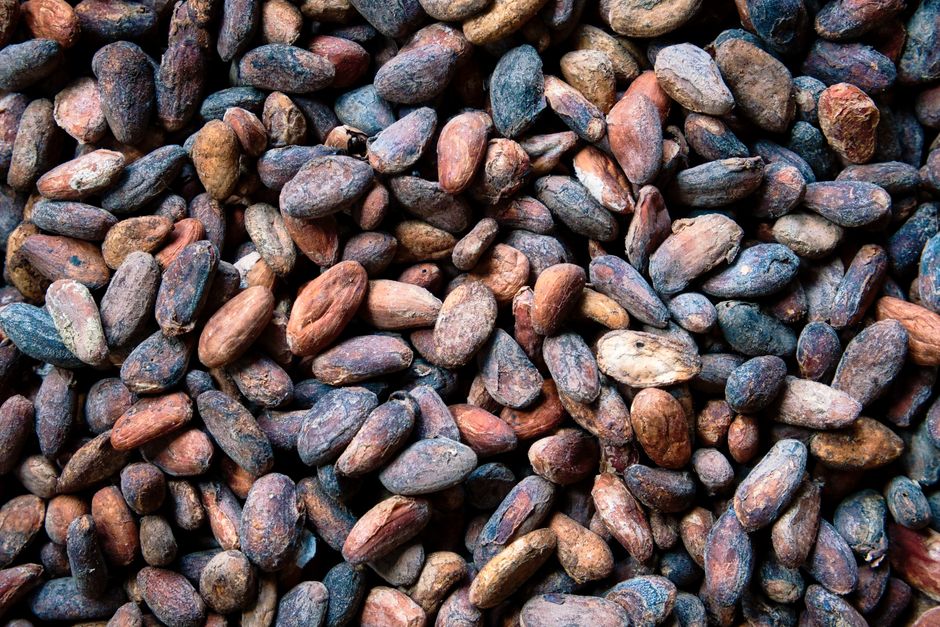
- Dry. After fermentation, the beans are spread out and dried, often in the sun, until moisture drops to a level safe for storage and shipping.
- Roast and process. Only after drying are the beans roasted, cracked, and ground into cocoa products.
I am deliberately not giving exact fermentation temperatures or day counts here. Those figures vary by region, variety, and method, and presenting one number as universal would be misleading. Commercial producers tune these variables carefully. For a home grower, the honest position is that fermentation is a skill learned with practice, and reliable home-scale guidance is limited.
Can You Eat Cacao Seeds Straight From The Pod?
You can eat the fresh seeds and pulp, and many people do. The pulp is sweet and pleasant. The seeds themselves are bitter and astringent raw, so most people spit them out or swallow them without much pleasure.
The pulp is the part worth trying fresh. It has a bright, tangy flavor often compared to citrus and lychee, though the comparison is loose. It is perishable and does not keep long once the pod is open.
Raw cacao seeds are not a chocolate substitute. Anyone expecting the fresh seed to taste like chocolate will be disappointed. The flavor people recognize as chocolate only exists after fermentation, drying, and roasting.
What About The White Pulp — Keep It Or Discard It?
Keep it. The white pulp should stay with the seeds through the start of fermentation. It is the fuel for the microbes that drive the process.
Beyond fermentation, cacao pulp is edible on its own and is used in some regions for juices and sweets. It is highly perishable and spoils quickly after the pod is opened, so it needs to be used or processed promptly. There is no established shelf life I can give you with confidence — treat it as fresh fruit and act accordingly.
If you are opening a pod purely to taste the pulp and not to make chocolate, that is a perfectly reasonable thing to do. Just know the seeds you discard are the raw material for a process you are skipping.
Common Mistakes When Opening Cacao Pods
Most problems come from using too much force or the wrong tool. A few mistakes show up again and again.
- Chopping instead of scoring. A hard chop crushes seeds and scatters shell fragments into the pulp.
- Cutting too deep. The goal is to cut the rind, not to slice into the seed mass.
- Rinsing off the pulp. This removes the material fermentation depends on.
- Using a dull or flimsy knife. A tough rind needs a sturdy blade. A weak knife is more likely to slip.
- Expecting chocolate flavor immediately. Fresh seeds do not taste like chocolate. That comes later.
The single most useful habit is patience with the blade. Score, twist, and let the pod open along the line you made. Force is the enemy here.
Frequently Asked Questions
How do you open a cacao pod without a knife?
You can crack a pod by striking it firmly against a hard surface or tapping it with a heavy blunt object until the rind splits. This works but tends to damage seeds and mix in shell fragments, so a knife is the better tool when one is available.
How many beans are inside one cacao pod?
A typical pod contains roughly 20 to 50 seeds, though the number varies with pod size and variety. The seeds come packed in white pulp that should stay with them for fermentation.
Can you eat cacao beans right out of the pod?
Yes, the fresh seeds and pulp are edible, but the seeds taste bitter and astringent raw. The sweet white pulp is the pleasant part, and the chocolate flavor only develops after fermentation and roasting.
Do you have to ferment cacao beans before using them?
Yes, if you want chocolate or cocoa flavor. Fresh seeds lack chocolate flavor entirely, and fermentation followed by drying is the step that develops it.
