
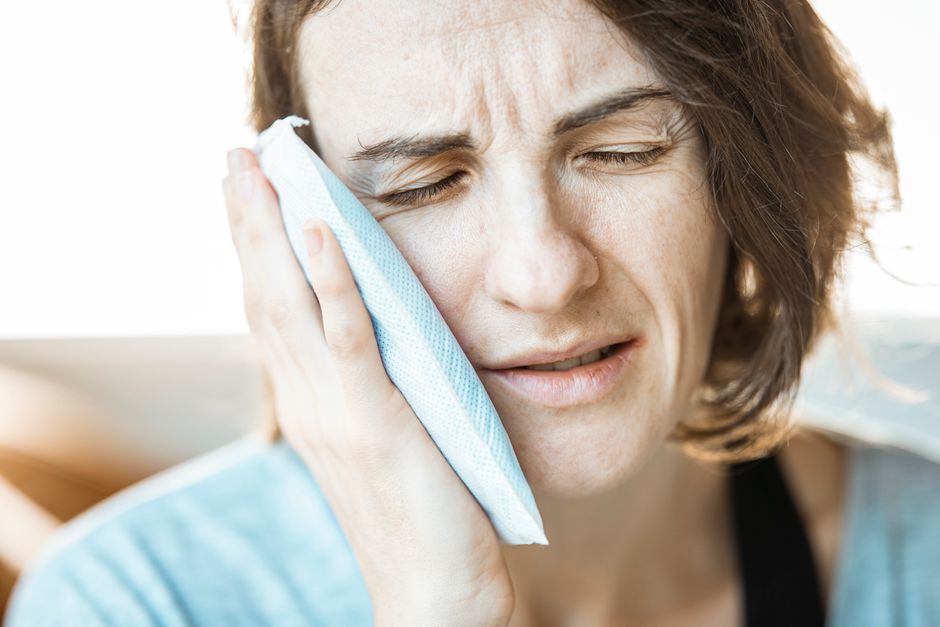
Pain is your body’s alarm system. It tells you something is wrong. But sometimes you need relief before you can get professional help. This guide covers safe home methods for numbing common pain and clear signs that you need a doctor instead of a heating pad.
What Causes Pain and How Numbing Works
Pain starts when nerve endings detect damage or pressure. They send signals up your spinal cord to your brain. Numbing works by interrupting that signal somewhere along the path.
Cold therapy slows nerve conduction. Heat increases blood flow and relaxes muscle spasms. Over-the-counter pain relievers block the chemicals that make nerves more sensitive. Each method targets a different part of the pain pathway.
Understanding which type of pain you have matters. Muscle pain responds well to heat. Acute injuries respond better to cold. Nerve pain often needs medication. Knowing the difference helps you choose the right approach.
Ice Therapy for Acute Injuries
Ice is the first-line treatment for sprains, strains, and recent injuries. It works by constricting blood vessels, which reduces swelling and numbs the area. Cold also slows the nerve signals that transmit pain.
Apply an ice pack wrapped in a thin towel to the injured area. Never place ice directly on skin. Limit sessions to 15–20 minutes at a time. Allow at least 2 hours between sessions to prevent tissue damage.
Ice is most effective within the first 48 hours after an injury. After that, the inflammatory phase begins to settle. If pain and swelling persist beyond a few days, that is a sign you should seek medical evaluation.
Do not use ice if you have poor circulation or conditions like Raynaud’s syndrome. Cold therapy can cause harm in these cases. If you have diabetes or vascular disease, talk to your doctor before using ice for pain.
Heat Therapy for Muscle and Joint Pain
Heat works differently from ice. It relaxes muscles, increases blood flow, and eases stiffness. Heat is better for chronic muscle tension, arthritis pain, and menstrual cramps. It is not recommended for fresh injuries because it can increase swelling.
Use a heating pad on a low or medium setting for 15–20 minutes. Never sleep with a heating pad on. Always place a cloth between the pad and your skin to prevent burns. Check your skin periodically while using heat.
Warm baths or showers can also provide relief. Adding Epsom salts is a common practice, but the evidence for their specific benefit is limited. The warm water itself is likely what helps.
Heat can worsen conditions like infections or deep vein thrombosis. If your pain comes with redness, warmth, or fever, do not apply heat. See a doctor instead.





Over-the-Counter Pain Relievers
Two main types of over-the-counter pain medication exist. Acetaminophen (Tylenol) works on pain signals in the brain. Nonsteroidal anti-inflammatory drugs (NSAIDs) like ibuprofen (Advil, Motrin) and naproxen (Aleve) reduce inflammation at the source.
For muscle pain, sprains, or arthritis, NSAIDs are often more effective because they treat inflammation. For headaches or general pain without inflammation, acetaminophen is a reasonable choice.
Follow the dosing instructions on the label exactly. Do not take more than recommended. Taking two different products that both contain acetaminophen is a common mistake that can cause liver damage. Check all medication labels carefully.
NSAIDs can irritate the stomach and increase bleeding risk. People with kidney disease, stomach ulcers, or heart conditions should ask a pharmacist or doctor before using them. Do not take NSAIDs if you are pregnant or trying to become pregnant.
Topical Numbing Products
Topical creams, gels, and patches deliver medication directly to the painful area. They work by blocking nerve signals in the skin and underlying tissue. This approach avoids many of the side effects of oral medications.
Products containing lidocaine or benzocaine are local anesthetics. They numb the skin surface and are useful for muscle pain, arthritis, and nerve pain like post-shingles discomfort. Follow the package instructions for how much to apply and how often.
Products containing capsaicin work differently. Capsaicin is the compound that makes chili peppers hot. It depletes a chemical called substance P, which transmits pain signals. Initial application causes a burning sensation that fades with regular use. Some research supports its effectiveness for arthritis and nerve pain.
Never apply topical products to broken skin or open wounds. Do not cover them with tight bandages unless the label says this is safe. If you use a heating pad over a topical product, remove it first. Heat can increase absorption and cause burns.
Gentle Movement and Positioning
Rest is important for acute injuries, but complete inactivity can make pain worse. Gentle movement keeps joints lubricated and prevents muscles from tightening up. The key is to move only within a pain-free range.
Elevating an injured limb above heart level reduces swelling by letting gravity drain fluid away. This is especially helpful for ankle sprains and hand injuries. Combine elevation with ice for the best effect.
Gentle stretching can relieve muscle tension. Hold stretches for 30 seconds without bouncing. If a stretch increases pain, stop. Pain is your guide — mild discomfort is acceptable, but sharp pain means you are pushing too far.
Posture matters for back and neck pain. Sitting with your shoulders relaxed and your back supported reduces strain. Many people find that changing position every 30 minutes helps more than staying still for hours.
Distraction and Relaxation Techniques
Pain perception is not just physical. Your brain processes pain signals in the context of your attention and emotions. Stress and anxiety make pain feel worse. Relaxation can genuinely reduce pain intensity.
Deep breathing exercises activate the parasympathetic nervous system, which calms the body. Slow, deliberate breaths for a few minutes can lower your perception of pain. This is not a cure, but it is a useful tool alongside other methods.
Distraction through activities like reading, listening to music, or watching a movie can reduce how much attention your brain gives to pain signals. This is a well-documented phenomenon, not just a psychological trick.
These techniques are complements, not replacements. They work best when combined with physical methods like ice, heat, or medication. If pain is severe enough that distraction is impossible, that is a sign you need medical attention.
When To See A Doctor
Home methods work for mild to moderate pain from known causes. Some situations require immediate medical care. Do not delay if you experience any of the following:
- Pain from a serious injury, such as a fall, car accident, or suspected fracture
- Pain accompanied by chest pressure, shortness of breath, or sweating
- Sudden severe headache, especially if it is the worst you have ever had
- Pain with fever, redness, swelling, or warmth that suggests infection
- Abdominal pain that is severe, constant, or getting worse
- Pain that wakes you from sleep or prevents you from functioning normally
- Numbness, weakness, or tingling that spreads or worsens
- Pain lasting more than a few days without improvement
Chronic pain that persists for weeks or months needs professional evaluation. Home treatments can mask symptoms without addressing the underlying cause. A doctor can identify the problem and recommend appropriate treatment.
If you are unsure whether your pain is serious, err on the side of caution. Seek medical advice. For emergency symptoms like chest pain, difficulty breathing, or sudden severe pain, call emergency services or go to an emergency department.
How To Numb The Pain At Home And When To See A Doctor
The short answer to this question comes down to cause, severity, and duration. For minor muscle aches, recent sprains, and tension headaches, home methods like ice, heat, and over-the-counter medication are safe first steps. For severe pain, pain with danger signs, or pain that does not improve within a few days, see a doctor.
Trust your instincts. You know your body better than anyone. If something feels wrong, it probably is. Home remedies are for temporary relief, not for ignoring a serious problem.
Keep a basic pain management kit at home. Include an ice pack, a heating pad, acetaminophen, an NSAID if you can safely take it, and a topical product. Read the labels before you need them so you know the correct dosing when the moment comes.
Frequently Asked Questions
How long should I ice an injury?
Ice for 15–20 minutes at a time, with at least 2 hours between sessions. Never place ice directly on skin and stop if you experience numbness or discomfort beyond the expected cold sensation.
Is it safe to take ibuprofen every day for pain?
Daily use of ibuprofen or other NSAIDs is not recommended without medical supervision. Long-term use can cause stomach ulcers, kidney damage, and increased cardiovascular risk.
Can I use heat and ice together?
Yes, alternating heat and ice can be effective for some types of muscle pain. Use ice for the first 48 hours after a new injury, then switch to heat for persistent muscle tightness.
What does it mean if pain wakes me up at night?
Pain that consistently wakes you from sleep can signal an underlying condition that needs evaluation. See a doctor, especially if the pain is new, severe, or accompanied by other symptoms like fever or weight loss.
