
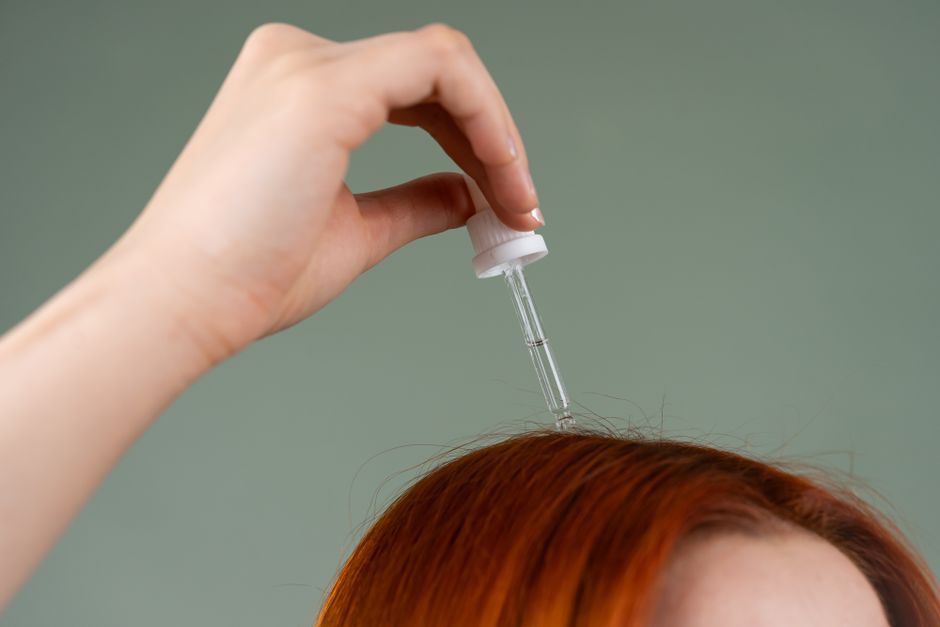
A dry, itchy scalp is usually a sign that your skin barrier is losing moisture faster than it can replace it. The most effective steps are simple: wash with a gentle, non-stripping shampoo, avoid very hot water, limit how often you use harsh treatments, and moisturize the scalp the same way you would moisturize dry skin elsewhere. Most people see improvement within a few weeks of changing these habits, though the timeline depends on the cause.
What Actually Causes a Dry Scalp?
Your scalp is skin. It has the same outer barrier layer — the stratum corneum — as the rest of your body. That barrier is made of skin cells packed with lipids, including ceramides and cholesterol, that hold water in and keep irritants out.
When that lipid barrier is disrupted, water escapes and the scalp feels tight, itchy, and flaky. This is different from dandruff, which is driven largely by a yeast called Malassezia that lives on most people’s scalps. Dandruff flakes tend to be larger, yellowish, and greasy. Dry scalp flakes are usually smaller, white, and dry. Both can itch, and both can exist at the same time, which is why some people treat the wrong one for months.
Common triggers for a genuinely dry scalp include:
- Frequent washing with strong surfactants that strip lipids
- Hot water, which dissolves skin oils faster than warm water
- Cold, dry air in winter or low-humidity indoor heating
- Age — oil production declines over time in most people
- Certain medications, including some acne treatments
- Underlying skin conditions such as eczema or psoriasis
One thing worth knowing: the itch you feel is not caused by dryness itself. It comes from irritated nerve endings in the skin responding to barrier damage and inflammation. That is why scratching makes it worse — it damages the barrier further and triggers more inflammation.
How To Not Have A Dry Scalp Simple Steps That Work
Start with how you wash. Most scalp dryness improves when you stop doing the things that strip it.
Switch to a gentler shampoo
Look for shampoos labeled sulfate-free or formulated for sensitive skin. Sodium lauryl sulfate (SLS) is a strong surfactant that removes oil effectively but can disrupt the scalp barrier, especially with frequent use. Sodium laureth sulfate (SLES) is milder but still cleansing. There is no single best ingredient — the goal is a shampoo that cleans without leaving your scalp tight or stinging.
Lower the water temperature
Hot water feels good but removes oils faster. Warm water cleans just as well for most people. This one change alone helps some people within a week or two.
Wash less often if you can
There is no universal rule here. Some people need to wash daily because of oil production or activity level. Others do fine every two or three days. If your scalp is dry and you are washing twice a day, cutting back is a reasonable first step. If you exercise and sweat heavily, rinsing with water alone between shampoos is an option some dermatologists suggest.
Skip harsh treatments when your scalp is irritated
Scalp scrubs, clarifying shampoos, and anti-dandruff products containing strong actives can worsen dryness if used too often. If you use a medicated shampoo for dandruff, follow the directions on the label rather than using it daily indefinitely.
Moisturize the scalp directly
This is the step most people skip. You can apply a lightweight, fragrance-free moisturizer or a small amount of a scalp-friendly oil to the scalp after washing. Some people use plain jojoba oil, squalane, or a ceramide-containing lotion. There is no strong clinical trial evidence that one specific oil outperforms others for scalp dryness, so choose based on what does not irritate your skin. Apply sparingly — heavy oils can clog hair follicles and cause buildup.
Does Diet Affect Scalp Dryness?
Severe nutritional deficiencies can affect skin health. Essential fatty acid deficiency, zinc deficiency, and low vitamin D have all been associated with dry, flaky skin in clinical reports. That said, these deficiencies are uncommon in people eating a varied diet in the United States.
There is no strong evidence that taking extra omega-3 supplements, biotin, or vitamin E improves scalp dryness in people who are not deficient. Some studies suggest omega-3 fatty acids may help with skin barrier function, but results are mixed and the effect on scalp specifically is not well studied. If you suspect a deficiency, a blood test is more useful than guessing.
Drinking enough water matters for overall health, but there is little evidence that drinking extra water beyond thirst fixes dry skin. The skin gets moisture primarily from inside the body via blood flow, not from water sitting on the surface.




When Is a Dry Scalp Actually Something Else?
Several conditions look like dry scalp but are not.
- Seborrheic dermatitis: Red, greasy patches with yellowish flakes, often along the hairline and behind the ears. Driven by Malassezia yeast and inflammation.
- Psoriasis: Well-defined red patches with silvery scale, sometimes extending beyond the hairline.
- Eczema: Dry, inflamed skin that can affect the scalp, often with a personal or family history of asthma or allergies.
- Tinea capitis: A fungal infection that causes scaling and sometimes hair loss. More common in children.
- Contact dermatitis: A reaction to a product ingredient, often causing itching and redness shortly after use.
If your scalp is red, swollen, oozing, or you are losing hair, see a doctor. These are not signs of simple dryness. A dermatologist can usually tell the difference with a visual exam and sometimes a scraping or biopsy.
What About Home Remedies and Natural Oils?
Some home remedies are reasonable, and some are not. Tea tree oil has shown some antifungal and anti-inflammatory activity in studies, and it appears in some dandruff products. It can also cause irritation in people with sensitive skin, so patch-test first.
Coconut oil can reduce moisture loss when applied to skin, and it has some antimicrobial properties. It works for some people as a pre-wash treatment. Olive oil and avocado oil are similar in principle but have less direct evidence for scalp use.
Apple cider vinegar rinses are popular online. There is no clinical evidence that they restore scalp moisture, and the acid can irritate broken skin. If you try it, dilute it and stop if it stings.
What does not work: scratching. It feels good for a few seconds and then makes everything worse. If the itch is severe, an over-the-counter hydrocortisone cream (1%) applied to the scalp for a short period may help calm inflammation. Do not use it long-term without medical guidance.
How Long Until a Dry Scalp Improves?
If the cause is behavioral — hot water, harsh shampoo, overwashing — many people notice improvement within one to two weeks. Barrier repair takes time. The skin cycle is roughly 28 days in adults, though it varies. Full recovery from a disrupted barrier often takes several weeks.
If you have tried the basic steps for a month and your scalp is still dry and itchy, the cause is probably not simple dryness. That is the point to see a doctor rather than continue experimenting.
Does Shampoo Brand Matter?
Not as much as the ingredients and how you use them. An expensive sulfate-free shampoo and a drugstore sulfate-free shampoo can work equally well if the formulation is gentle. What matters more is whether the product contains ingredients you react to, how hot the water is, and how often you wash.
Fragrance is a common irritant. If you have sensitive skin, fragrance-free products are a safer starting point. “Natural” fragrance is not automatically gentler — many plant extracts contain the same compounds that cause contact dermatitis.
Frequently Asked Questions
Can a dry scalp cause hair loss?
Simple dryness does not usually cause permanent hair loss, but constant scratching can damage hair follicles and lead to temporary shedding. If you are losing hair along with scalp dryness, see a doctor to rule out other causes.
How often should I wash my hair if my scalp is dry?
There is no single correct frequency, but many people with dry scalp do well washing every two to three days. If you exercise heavily or have an oily scalp, you may need to wash more often.
Is dandruff the same as a dry scalp?
No. Dandruff is driven mainly by a yeast called Malassezia and produces larger, greasier flakes, while dry scalp flakes are smaller and drier. The two conditions can occur together.
Do scalp oils actually help dry scalp?
Some oils can reduce moisture loss when applied to the scalp, but evidence for specific oils is limited. Use them sparingly and stop if you notice buildup or irritation.
