
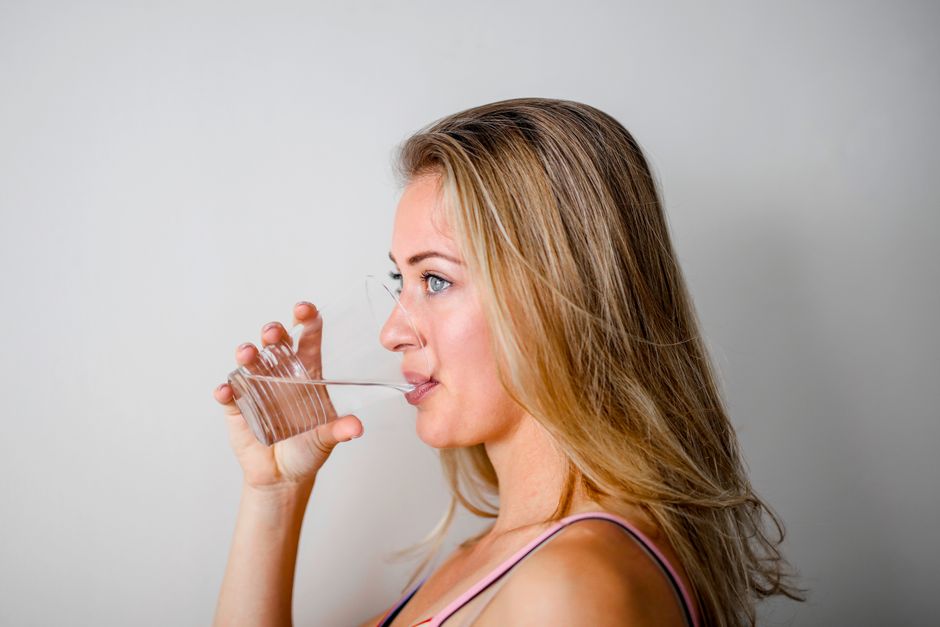
Thirst is your body’s built-in alert system. When it goes off, you are already mildly dehydrated. The goal is not to ignore that signal, but to manage your fluid levels so the signal rarely becomes urgent. The most effective way to avoid thirst is to drink water consistently throughout the day, eat water-rich foods, and limit things that pull fluid out of your body, like excess salt and alcohol. These strategies work because they address the actual causes of dehydration, not just the symptom of a dry mouth.
Why Do You Feel Thirsty in the First Place?
Thirst is controlled by a complex system involving your brain, kidneys, and hormones. When your blood becomes more concentrated—meaning there is less water relative to salt and other particles—specialized cells in your brain detect this change. They signal you to drink. This is a precise physiological response, not a vague feeling.
You also lose water continuously through breathing, sweating, and urination. On a normal day, you lose about 2 to 2.5 liters of fluid. If you do not replace that, your body will trigger thirst. Understanding this mechanism matters because it tells you that preventing thirst is about steady replacement, not chugging large amounts at once.
Drink Water Before You Feel the Urge
The simplest tip is also the most effective: drink small amounts of water regularly, even when you do not feel thirsty. By the time your brain sends the thirst signal, your body is already down by about 1-2% of its water content. That may not sound like much, but it can affect concentration, energy, and physical performance.
Carry a reusable water bottle and take a few sips every 20-30 minutes. This approach keeps your blood volume stable and prevents the intense thirst that comes from waiting too long. It also avoids the uncomfortable feeling of drinking a large volume of water all at once, which can cause bloating and frequent urination.
Eat Foods That Contain a Lot of Water
Food contributes roughly 20% of your daily water intake. Some foods are almost pure water. Cucumbers, celery, watermelon, strawberries, and lettuce are over 90% water by weight. Adding these to your meals and snacks is a practical way to stay hydrated without drinking more.
This matters because food-based water is absorbed more slowly than plain water. That slower absorption helps maintain hydration over a longer period. A bowl of soup or a serving of yogurt also counts. If you struggle to drink enough water, increasing your intake of these foods is a legitimate and effective strategy.




Set a Simple Daily Schedule
Routine beats memory. Anchor your water intake to things you already do every day. Drink a full glass of water when you wake up, one with each meal, and one in the afternoon. This creates four guaranteed hydration points without requiring you to track anything.
Urine color is a useful guide. Pale yellow or clear urine generally means you are well hydrated. Dark yellow or amber suggests you need more fluids. This is not a perfect measure—certain vitamins and foods can change urine color—but it is a practical daily check that requires no apps or calculations.
Limit Salt, Alcohol, and Caffeine
Salt pulls water out of your cells and into your bloodstream. Your kidneys then need extra water to filter out the excess sodium. A high-salt meal can leave you feeling thirsty for hours. Processed foods, canned soups, and fast food are common sources of hidden salt. Reducing these will reduce your thirst.
Alcohol is a diuretic. It suppresses a hormone called vasopressin, which normally tells your kidneys to hold onto water. Without it, you lose more fluid through urine. For every alcoholic drink, you lose more water than the drink itself contains. Matching each alcoholic drink with a glass of water is a practical way to offset this.
Caffeine is a mild diuretic, but the effect is smaller than most people believe. Regular coffee and tea drinkers build up a tolerance. The fluid in coffee and tea generally offsets the mild water loss. The bigger risk is sugary caffeinated drinks, which can promote overall fluid loss through their effect on blood sugar.
Adjust for Heat, Exercise, and Illness
Your fluid needs are not constant. They rise with heat, physical activity, and fever. In hot weather, you can lose over a liter of sweat per hour during intense exercise. That is a significant fraction of your daily needs.
For exercise lasting under an hour, water is sufficient. For longer sessions, especially in heat, you need electrolytes—mainly sodium—to help your body retain the water you drink. Sports drinks provide this, but so does water with a pinch of salt and a source of sugar. If you are sick with vomiting or diarrhea, you lose both water and electrolytes rapidly. Oral rehydration solutions are the evidence-based choice here, not plain water alone.
How To Not Get Thirsty Tips That Actually Work for Daily Life
Keep water visible. A bottle on your desk or kitchen counter is a constant reminder. Out of sight often means out of mind. If plain water bores you, add a slice of lemon, lime, or cucumber. The flavor change can increase how much you drink without adding sugar.
Set alarms or use a hydration app if you consistently forget. These tools work by converting an internal need into an external cue. The goal is not to drink a specific number of ounces—needs vary by body size, activity, and climate—but to drink often enough that thirst rarely becomes intense.
When Thirst Is a Warning Sign
Persistent, extreme thirst that does not go away with drinking can be a sign of an underlying medical issue. Diabetes, both type 1 and type 2, causes excessive thirst because high blood sugar forces your kidneys to excrete more water. Certain medications, including diuretics and some antidepressants, also increase thirst.
If you are drinking large amounts of water and still feeling constantly thirsty, or if you are urinating much more than usual, see a doctor. This is not a situation where more water is the answer. It is a sign that your body’s fluid regulation system is not working normally.
Frequently Asked Questions
How much water should I drink each day to avoid thirst?
The common guideline is about 8 cups (2 liters) for women and about 12 cups (3 liters) for men, but actual needs vary with body size, activity, and climate. Drink enough so your urine is pale yellow and you rarely feel strong thirst.
Does drinking more water make you feel less thirsty?
Yes, but the timing matters. Sipping water steadily throughout the day prevents the blood concentration from rising enough to trigger the thirst signal. Drinking a large amount at once only temporarily suppresses thirst and may lead to frequent urination.
Are sports drinks better than water for preventing thirst?
For most daily activity, water is sufficient. Sports drinks are helpful during intense exercise lasting over an hour, especially in heat, because they replace sodium and other electrolytes lost in sweat. For ordinary days, they add unnecessary sugar and calories.
Can eating fruit really help with hydration?
Yes. Fruits like watermelon, strawberries, and cantaloupe are over 90% water. They contribute to total fluid intake and provide water that is absorbed more slowly than plain water, which helps maintain hydration over a longer period.
