
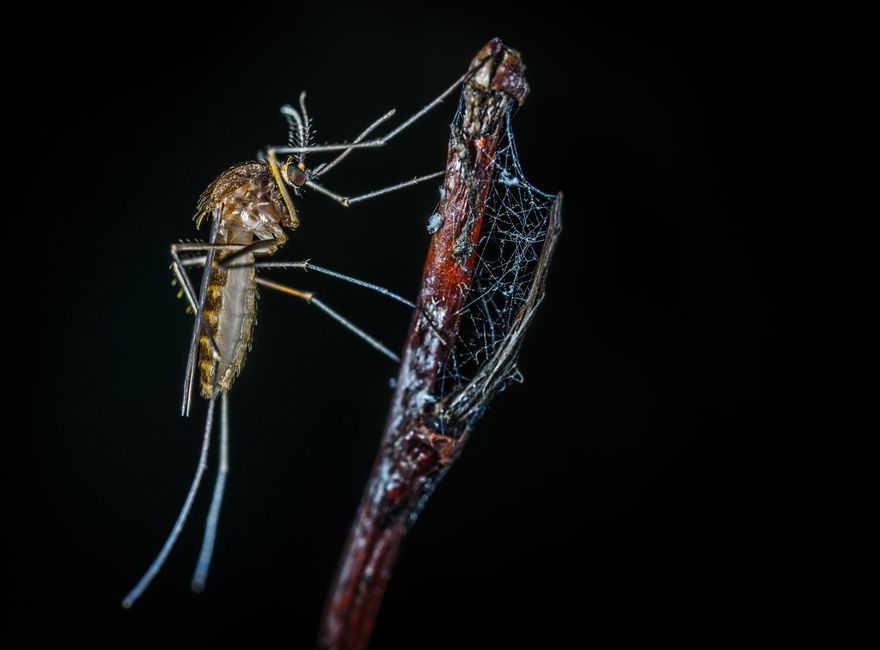
Mosquito bites are more than an itchy nuisance. They can transmit serious diseases, so avoiding bites matters for your health. The most reliable way to avoid bites is to use an EPA-registered insect repellent on exposed skin and wear protective clothing, especially during dawn and dusk when many mosquitoes are most active. Combine these steps with removing standing water around your home, and you will dramatically reduce your risk of being bitten.
Why Do Mosquitoes Bite Some People More Than Others?
Mosquitoes are not random in their choices. They rely on a combination of sensory cues to find a host. Carbon dioxide, body heat, and body odor are the primary signals they use.
People who exhale more carbon dioxide, such as larger individuals or pregnant women, tend to attract more mosquitoes. Body heat matters too. A warmer body is easier for a mosquito to detect. Your skin’s natural bacterial mix also plays a role. Some bacteria produce compounds that are more attractive to mosquitoes than others.
Genetics influence these factors. You cannot change your genetic makeup or your natural scent. What you can control is your use of repellent and your clothing choices.
Which Insect Repellents Actually Work?
Not all repellents are equal. The most effective and well-studied active ingredients are registered with the Environmental Protection Agency (EPA). These have been evaluated for both safety and effectiveness.
DEET remains the gold standard. It has been used for decades and has a strong safety record when applied as directed. It works against a wide range of mosquito species.
Picaridin is a newer option that is also highly effective. It is virtually odorless and does not feel greasy on the skin. Many people prefer it for these reasons.
Oil of lemon eucalyptus (OLE) is a plant-based repellent that the EPA recognizes as effective. It provides protection comparable to lower concentrations of DEET. This is not the same as pure essential lemon eucalyptus oil. The registered product is a specific formulation.
IR3535 is another EPA-registered option. It is found in several commercial repellents and is effective against mosquitoes.
Products containing these ingredients work when applied correctly. The concentration of the active ingredient affects how long the protection lasts, not how strong it is. Higher concentrations provide longer protection, not better protection.
How To Not Get Bit By Mosquitoes: Practical Steps That Work
The most effective strategy combines repellent with other measures. Relying on one method alone leaves gaps in your protection.
Apply repellent to all exposed skin. Do not apply it under clothing. Use just enough to cover the skin. More product does not mean more protection.
Wear long sleeves and long pants when possible. Mosquitoes can bite through thin fabric, so loose-fitting, tightly woven clothing is better. Some clothing is treated with permethrin, an insecticide that repels and kills mosquitoes on contact. Permethrin is for clothing only. Do not apply it to your skin.
Stay indoors during peak mosquito activity. Many mosquito species are most active at dawn and dusk. Some species, like the Asian tiger mosquito, bite during the day. Know the mosquitoes in your area and adjust your schedule when you can.
Use screens on windows and doors. Keep them in good repair. If you sleep with windows open, make sure the screens fit tightly.





Does Mosquito Repellent Work On All Types Of Mosquitoes?
EPA-registered repellents like DEET and picaridin are effective against a broad range of mosquito species. This includes common nuisance biters and species that carry disease.
There is no reliable evidence that any particular mosquito species is resistant to these repellents. The bigger issue is incorrect application. People often apply too little repellent or forget to reapply it after sweating or swimming.
Reapplication intervals depend on the product’s concentration. Read the label and follow the instructions. If you are spending hours outdoors, you will likely need to reapply.
What About Natural Or Homemade Repellents?
Natural repellents are popular, but the evidence for most of them is weak. No clinical evidence currently confirms that homemade sprays, essential oil blends, or wearable devices provide reliable protection.
Some plant-based oils, such as citronella, lemongrass, and peppermint, have shown some repellent activity in laboratory studies. Their protection time is short, often less than an hour. They are not a practical solution for extended outdoor time.
Wearable devices like ultrasonic bracelets or vitamin B patches have no evidence of effectiveness. Studies have not confirmed that they repel mosquitoes. Save your money and use a proven repellent instead.
Burning citronella candles can reduce bites in a small area, but the effect is limited. The smoke and scent do not create a protective barrier around your whole yard.
How To Reduce Mosquitoes Around Your Home
Mosquitoes need standing water to breed. A female mosquito can lay hundreds of eggs in a small amount of water. Removing water sources is one of the most effective ways to reduce mosquito populations near your home.
Check your property weekly for standing water. Common sources include flower pot saucers, bird baths, clogged gutters, and children’s toys left outside. Empty and scrub these items regularly. Scrub the edges because mosquito eggs can stick to the sides of containers.
Change the water in pet bowls and bird baths at least once a week. Keep swimming pools treated and circulating. If you have a pond, consider adding mosquito fish, which eat mosquito larvae. Some communities have programs that provide these fish.
Mosquitoes rest in cool, damp, shaded areas during the day. Keeping your grass cut short and trimming shrubs can reduce resting spots. This is not a substitute for removing standing water, but it helps.
Does Your Diet Or Blood Type Affect Mosquito Bites?
Claims about diet and mosquito attraction are common, but the evidence is limited. Some studies suggest that drinking beer increases attractiveness to mosquitoes. Other studies have looked at garlic or vitamin B as deterrents. No clinical evidence currently confirms that eating garlic, taking vitamin B supplements, or avoiding certain foods will prevent bites.
Blood type may play a role. Some research indicates that people with type O blood attract more mosquitoes than those with type A. This finding is from a small study and has not been consistently confirmed. Even if blood type matters, you cannot change it.
Focus your energy on proven methods. Repellent, clothing, and removing standing water are the strategies that work.
What To Do If You Get Bitten
Even with the best precautions, bites happen. The itch is caused by your immune system’s response to mosquito saliva. Antihistamines can reduce the reaction for some people.
Over-the-counter hydrocortisone cream can help with localized itching. Oral antihistamines like cetirizine or loratadine may also provide relief. Cold compresses can soothe the area.
Avoid scratching. Scratching breaks the skin and increases the risk of infection. If a bite becomes red, warm, painful, or starts draining fluid, see a healthcare provider.
Frequently Asked Questions
What is the most effective mosquito repellent?
EPA-registered repellents containing DEET, picaridin, or oil of lemon eucalyptus are the most effective options. Choose one and apply it according to the label instructions.
Does wearing light-colored clothing keep mosquitoes away?
Some research suggests mosquitoes are more attracted to dark colors, so light-colored clothing may help. This is not a substitute for repellent.
Do mosquito repellent bracelets work?
No study has confirmed that wearable repellent bracelets provide effective protection. They do not protect your entire body and should not replace a proven repellent.
How long does mosquito repellent last?
Protection time varies by active ingredient and concentration. Higher concentrations last longer. Always read the product label for specific reapplication intervals.
