
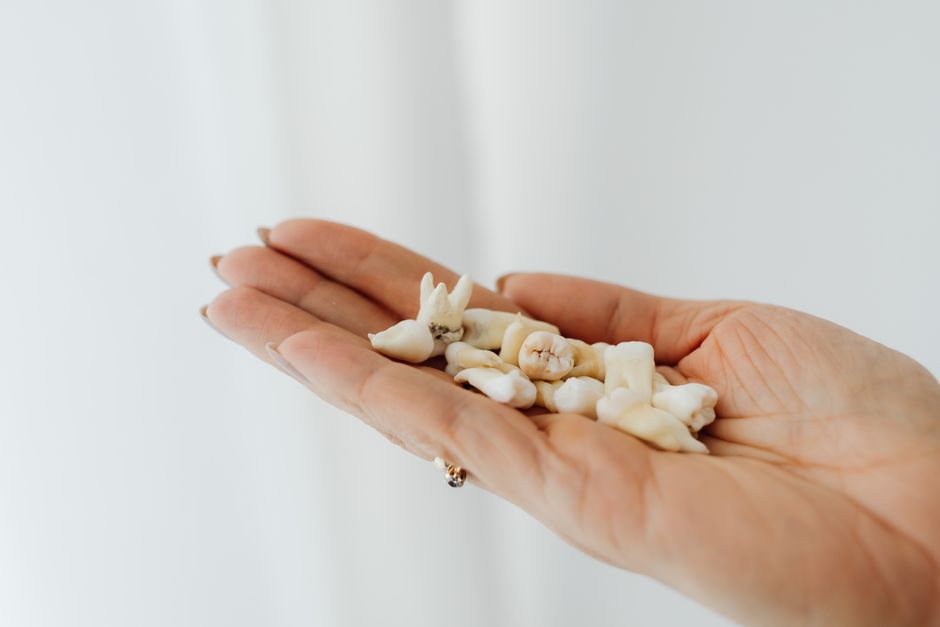
A dry socket happens when the blood clot that forms after a tooth extraction is lost or dissolves too soon, leaving the underlying bone and nerve endings exposed. The best way to prevent it is to protect that clot for the first few days: don’t smoke or vape, don’t use straws, don’t spit forcefully or rinse hard, and follow your dentist’s aftercare instructions closely. Dry socket is treatable, but it is painful and it delays healing — and most cases are preventable with careful habits in the first 24 to 72 hours.
What Exactly Is a Dry Socket?
After a tooth is pulled, a blood clot fills the empty socket. That clot is not just a plug. It is a scaffold that protects the bone and nerve tissue underneath while new tissue grows in. It also contains clotting factors and immune cells that help the site heal.
A dry socket — the clinical term is alveolar osteitis — occurs when that clot is dislodged or breaks down before the wound has had time to heal. Once the clot is gone, the bone and nerve endings inside the socket are exposed to air, food, and bacteria. The result is a deep, throbbing pain that often radiates to the ear, jaw, or neck.
Dry socket is one of the most common complications after tooth extraction. It is far more common after surgical extractions, such as impacted wisdom teeth, than after simple extractions. It is also more common in the lower jaw than the upper jaw, likely because of differences in blood supply and the anatomy of the socket.
What Raises Your Risk of a Dry Socket?
Smoking is the single biggest controllable risk factor. The chemicals in tobacco smoke reduce blood flow to the gums, and the physical act of sucking on a cigarette or vape can pull the clot out. Nicotine also narrows blood vessels, which slows the delivery of oxygen and nutrients the healing site needs.
Other factors that increase risk include:
- Using straws, which create suction in the mouth
- Spitting, rinsing forcefully, or swishing liquids in the first 24 hours
- Poor oral hygiene before or after the extraction
- Pre-existing gum infection or tooth decay near the extraction site
- Taking oral contraceptives — some research suggests higher estrogen levels may affect clot stability
- Certain medications that affect clotting or bone healing
- Having a history of dry socket with a previous extraction
- Drinking alcohol or using mouthwash in the first day
Some risk factors are outside your control. Older age, certain systemic conditions, and the complexity of the extraction itself all play a role. If you have several risk factors, tell your dentist before the procedure so they can plan accordingly.
How To Not Get a Dry Socket After Tooth Extraction: The First 24 Hours
The first 24 hours are when the clot is most fragile. Your dentist will place a gauze pad over the socket and ask you to bite down gently for 30 to 45 minutes. This pressure helps a stable clot form. After that, the gauze comes out and stays out.
Here is what matters most in that window:
- Do not smoke or vape. This includes nicotine patches if your dentist advises against them. Ask before using any nicotine product.
- Do not use a straw. The suction can dislodge the clot. Drink directly from a cup or glass.
- Do not spit. Let saliva pool and swallow it. Spitting creates pressure changes in the mouth.
- Do not rinse. Skip mouthwash and water swishing entirely for the first 24 hours.
- Avoid hot foods and drinks. Heat can dissolve the clot. Stick to cool or lukewarm items.
- Skip alcohol. It can irritate the wound and interfere with clotting.
- Rest. Keep your head elevated when lying down. Avoid bending over or heavy lifting.
- Use ice packs. Apply to the outside of your cheek in 20-minute intervals to reduce swelling.
Some minor oozing and pink-tinged saliva is normal in the first day. Steady bleeding is not. If bleeding continues after 24 hours, call your dentist.
What Should You Eat and Drink After an Extraction?
Soft, cool foods are easiest on the healing socket. Think yogurt, applesauce, mashed potatoes, scrambled eggs, smoothies eaten with a spoon, and cool soups. Avoid anything crunchy, sticky, spicy, or very hot for the first few days.
Do not skip meals. Good nutrition supports healing, and some evidence suggests that adequate protein and vitamin intake helps recovery. But do not chew on the extraction side. Chew on the opposite side of your mouth.
Stay hydrated, but sip — don’t gulp. Carbonated drinks can irritate the socket, and caffeine may increase bleeding in some people. Water is the safest choice.
How Should You Care for Your Mouth in the Days After?
After the first 24 hours, your dentist will usually tell you to start gentle rinsing. A common recommendation is a warm saltwater rinse — about half a teaspoon of salt in a glass of warm water — starting the day after surgery. Rinse gently, let the water fall out of your mouth, and do not swish hard.
You can brush your teeth, but avoid the extraction site for the first few days. Use a soft-bristled brush and be gentle near the socket. Do not poke at the wound with your tongue, finger, or a toothpick.
If your dentist prescribed antibiotics or pain medication, take them as directed. Do not stop early because you feel better. If you were not prescribed antibiotics, do not take leftover ones from a previous prescription — this is a common mistake that does not help and can cause harm.
What If You Think You Already Have a Dry Socket?
Call your dentist. Dry socket pain typically starts two to four days after the extraction and can be severe. It may feel like a deep ache that radiates to your ear, eye, temple, or neck. You may also notice a bad taste or odor, or see that the socket looks empty or shows exposed bone.
Do not try to treat it yourself. Do not pack the socket with gauze, cotton, or anything from home. Do not apply heat. Do not use over-the-counter numbing gels inside the socket unless your dentist tells you to.
Your dentist can treat a dry socket in the office. Treatment usually involves gently flushing the socket to remove debris, then placing a medicated dressing or paste to soothe the nerve endings and promote healing. In some cases, they may prescribe pain medication. The dressing may need to be changed every few days until the socket starts to heal from the inside out.
Most dry sockets resolve within a week to ten days with treatment. Without treatment, the pain can last longer and the healing process can be delayed.
Does Anything You Do Before Surgery Lower Your Risk?
Yes. Good preparation can reduce your risk before you ever sit in the chair.
- Tell your dentist about all medications and supplements you take, especially blood thinners.
- If you smoke, ask your dentist how long before surgery you should stop. Even a short break can help.
- Eat a light meal before your appointment unless you are told not to, so you are not hungry during recovery.
- Arrange for someone to drive you home if you are having sedation.
- Fill any prescriptions ahead of time so you are not running errands while recovering.
If you have a history of dry socket, tell your dentist. They may take extra steps during the procedure to help the clot form and stay in place.
What Does Not Help — and May Hurt
Some widely shared advice is not supported by evidence and can make things worse.
- Packing the socket with dry gauze or cotton at home. This can introduce bacteria and delay healing.
- Using a straw “just for water.” Suction is suction. It does not matter what you are drinking.
- Rinsing with hydrogen peroxide or strong mouthwash. These can irritate tissue and break down the clot.
- Applying heat to the face. Heat increases blood flow and swelling. Ice is for the first 24 hours.
- Poking or prodding the socket to “check” it. Leave it alone. Your dentist can check it at your follow-up.
If you are unsure whether something is safe, call your dentist’s office. It is a quick question with a clear answer, and it is better than guessing.
Frequently Asked Questions
How long after a tooth extraction can a dry socket happen?
Dry socket most often develops two to four days after the extraction, when the clot is still forming and stabilizing. The risk drops significantly after the first week.
Can you get a dry socket if you don’t smoke?
Yes. Smoking is a major risk factor, but non-smokers can still get dry socket from suction, forceful rinsing, poor oral hygiene, or certain medications. Following aftercare instructions lowers the risk for everyone.
What does a dry socket look like?
The socket may look empty, with visible white bone at the bottom instead of a dark red clot. You may also notice a bad taste or odor and severe pain that radiates to your ear or jaw.
How long does a dry socket take to heal?
With treatment, most dry sockets improve within a week to ten days. Without treatment, pain and healing time can be longer, so it is best to see your dentist as soon as symptoms start.
