
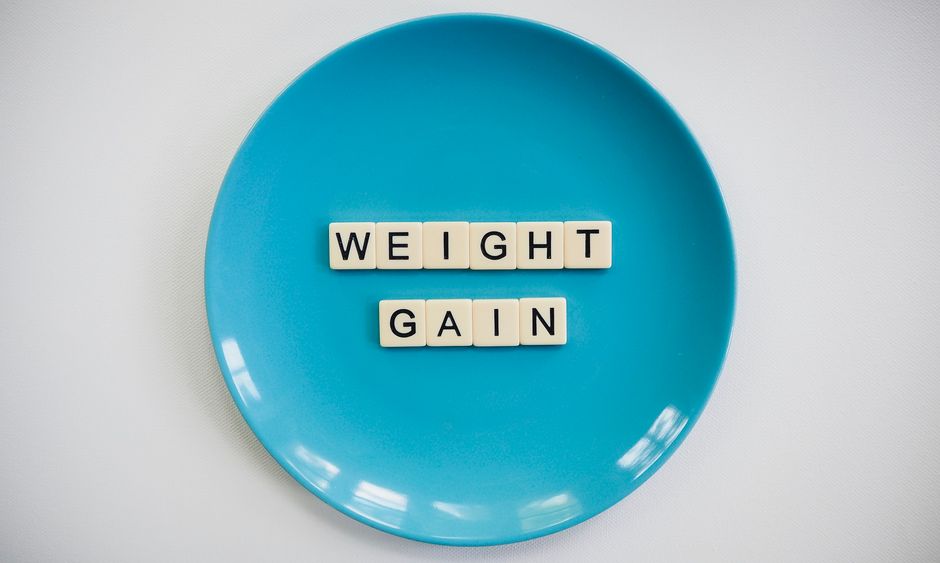
Quitting vaping is one of the best things you can do for your health, but many people worry about weight gain during the process. Nicotine suppresses appetite and slightly raises your metabolism, so when you stop, your body adjusts and your appetite returns to normal. The weight gain that often follows is not inevitable, and you can manage it with a few practical strategies focused on diet, movement, and understanding what your body is going through.
Why Does Quitting Vaping Cause Weight Gain?
Nicotine is an appetite suppressant. It also increases your resting metabolic rate, meaning you burn slightly more calories while at rest. When you remove nicotine, your metabolism slows back down to its natural baseline and your appetite returns to normal levels.
There is also the hand-to-mouth habit. Vaping gives you something to do with your hands and mouth. When you stop, many people replace that habit with snacking, often on high-calorie foods. This behavioral shift can contribute more to weight gain than the metabolic changes alone.
Research shows that the average weight gain after quitting smoking or vaping is modest, often in the range of 5 to 10 pounds. Some people gain nothing. The key is recognizing that this is a temporary adjustment period, not a permanent change in your body.
How To Not Gain Weight After Quitting Vaping
The most effective approach combines several strategies at once. No single trick will prevent weight gain, but together these habits can keep your weight stable during the transition.
Plan your snacks ahead of time. When cravings hit, you will reach for whatever is easiest. If crunchy vegetables, fruit, or air-popped popcorn are already washed and ready, you are far less likely to grab chips or cookies. Keep these options visible and within reach.
Stay hydrated. Thirst is often mistaken for hunger. Drinking water throughout the day helps you feel full and gives your mouth something to do. Some people find that chewing sugar-free gum or sucking on ice cubes helps replace the oral fixation of vaping.
Keep your hands busy. Fidget toys, stress balls, or even a pen to click can satisfy the need to hold something. This is a temporary need that fades over the first few weeks after quitting.
Do not skip meals. Skipping meals to “save calories” often backfires. It leads to intense hunger later, which makes overeating much more likely. Eating regular, balanced meals keeps your blood sugar steady and reduces the intensity of cravings.
What to Eat to Avoid Weight Gain After Quitting Vaping
Focus on foods that keep you full for a long time. Protein and fiber are the two nutrients that do this best. They slow digestion and keep hunger at bay between meals.
Good protein sources include eggs, Greek yogurt, chicken, beans, and lentils. High-fiber foods include vegetables, fruits, whole grains, and nuts. A meal that combines both — like oatmeal with berries and nuts, or a chicken salad with beans — will keep you satisfied much longer than a meal of refined carbohydrates.
Be mindful of liquid calories. Sugary drinks, fancy coffee beverages, and alcohol all add calories without making you feel full. Water, unsweetened tea, and black coffee are better choices during this transition period.
One non-obvious point: the weight gain some people experience after quitting is not all fat. Nicotine withdrawal can cause temporary water retention and changes in digestion. Some of the initial weight on the scale is water weight, which often resolves on its own within a few weeks.



Does Exercise Help Prevent Weight Gain After Quitting Vaping?
Exercise helps, but not for the reason most people think. The calorie burn from a typical workout is modest. A 30-minute walk burns roughly 100 to 150 calories, depending on your weight and pace. That alone will not offset a daily surplus of 300 extra calories from snacking.
The bigger benefit of exercise is appetite regulation. Physical activity reduces stress and anxiety, which are major triggers for stress eating during nicotine withdrawal. Many people also find that exercise improves their mood and gives them a sense of accomplishment, which reinforces other healthy habits.
Exercise does not need to be intense. Walking, cycling, swimming, or any activity you enjoy and can do consistently is enough. The goal is regularity, not intensity.
Strength training deserves special mention. Muscle tissue burns more calories at rest than fat tissue. Building even a small amount of muscle slightly raises your resting metabolic rate, which can help offset the metabolic slowdown that happens when nicotine leaves your system.
Nicotine Replacement Therapy and Weight Control
Nicotine replacement therapy (NRT) can help with both quitting and weight management. Products like nicotine gum, lozenges, or patches deliver small amounts of nicotine without the harmful chemicals in vaping. This keeps the appetite-suppressing effect of nicotine active while you work on breaking the behavioral habit of vaping.
Some research suggests that people who use NRT gain less weight during the first few months of quitting compared to those who quit abruptly. This is likely because the nicotine continues to suppress appetite to some degree.
This is not a recommendation to use NRT indefinitely. The goal is to gradually reduce nicotine over time. But if weight gain is a major concern, using NRT during the initial quitting phase may give you time to establish new eating and activity habits before dealing with the final nicotine withdrawal.
Talk to your doctor about whether NRT is appropriate for you. They can help you choose the right product and dose based on your history of nicotine use.
How Long Does the Weight Gain Risk Last?
The highest risk of weight gain is in the first three months after quitting. This is when nicotine withdrawal symptoms are strongest and when cravings for both nicotine and food are most intense.
After the first three months, the risk gradually decreases. Most people find that their appetite and eating habits return to a more normal pattern by the six-month mark. By one year, your metabolism has typically adjusted to its natural baseline.
This timeline is important for one reason: it gives you a clear window to focus on building new habits. The effort you put into healthy eating and regular activity during the first few months pays off long-term because these habits tend to stick.
What If You Still Gain Weight?
Weight gain after quitting vaping is not a failure. It is a common and temporary response to a significant change in your body chemistry. Some weight gain may be unavoidable, especially in the first few weeks.
If you do gain a few pounds, do not panic and do not go back to vaping. The health risks of vaping far outweigh the risks of a modest weight gain. Lung damage, cardiovascular strain, and nicotine addiction are all more serious than 5 pounds on the scale.
Focus on the long game. If you maintain your healthy eating and activity habits, any weight gained during the quitting process will likely come off over the following months as your body stabilizes. The alternative — continuing to vape — carries risks that no amount of weight control can offset.
Frequently Asked Questions
Will I definitely gain weight after quitting vaping?
No, weight gain is not guaranteed. Some people gain weight, but others maintain their weight or even lose it by replacing vaping with healthier habits.
How much weight do people typically gain after quitting nicotine?
Research suggests the average weight gain is modest, often in the range of 5 to 10 pounds, and this typically occurs in the first three months after quitting.
Does nicotine gum prevent weight gain when quitting vaping?
Nicotine replacement therapy may reduce weight gain in the early months because nicotine continues to suppress appetite, but this effect fades as you reduce your nicotine dose.
How long does increased appetite last after quitting vaping?
Increased appetite usually peaks in the first few weeks after quitting and gradually normalizes over the following three to six months as your body adjusts.
