
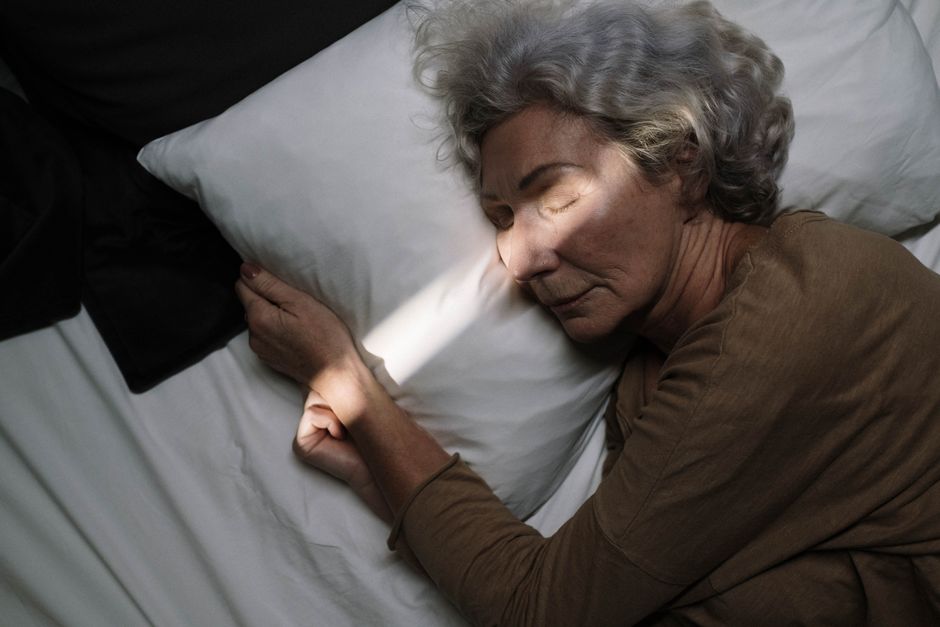
If you are lying awake at 2 a.m. wondering how to not fall asleep at night — or more accurately, how to fall asleep and stay asleep — the answer is not a single trick. It is a set of behaviors that work with your body clock, not against it. The most reliable approach combines a consistent wake time, morning light exposure, limited caffeine, and a cool dark bedroom. These steps are backed by decades of sleep research.
Most people who struggle at night are not doing anything wrong on purpose. They are fighting their own biology. The body runs on a roughly 24-hour internal clock called the circadian rhythm, and sleep pressure builds the longer you stay awake. When those two systems are out of sync, no amount of “trying harder” will help.
Why Can’t I Fall Asleep at Night Even When I’m Tired?
Feeling tired and being able to sleep are two different things. Sleepiness is driven by a chemical called adenosine that builds up in your brain the longer you are awake. But whether you can actually fall asleep depends on your circadian clock, your stress hormones, and your environment.
When you are stressed, your body releases cortisol and adrenaline. These are the same hormones that help you respond to danger. They keep your heart rate up and your mind alert. That is why you can feel exhausted and wired at the same time.
There is also a common misunderstanding worth clearing up. Lying in bed awake does not “rest” your brain the way sleep does. The brain needs to cycle through distinct stages — light sleep, deep sleep, and REM sleep — to consolidate memory, regulate hormones, and clear metabolic waste. Skilled relaxation is not a substitute for those stages.
Other frequent causes include:
- Caffeine consumed in the afternoon or evening. Caffeine has a half-life of about 5 to 6 hours in most adults, meaning half of it is still in your system hours later.
- Alcohol, which can make you drowsy at first but disrupts sleep later in the night.
- Screen light and mental stimulation close to bedtime.
- An irregular sleep schedule that keeps your body clock guessing.
- Medical conditions such as sleep apnea, restless legs syndrome, or chronic pain.
What Is the Single Most Effective Habit for Better Sleep?
Waking up at the same time every day — including weekends — is the most powerful habit for regulating sleep. It anchors your circadian rhythm and sets the timing for when sleep pressure will peak the following night.
This surprises people. Most sleep advice focuses on bedtime. But bedtime is the variable you cannot control directly. You cannot force yourself to feel sleepy at 10 p.m. by deciding to. You can control what time you get out of bed.
When you wake at a consistent time, several things happen:
- Your body releases cortisol in a predictable morning surge that promotes alertness.
- Melatonin, the hormone that signals darkness and sleep, begins to rise at roughly the same time each evening.
- Sleep pressure builds on a stable schedule throughout the day.
Research on circadian rhythms has consistently shown that regularity matters as much as duration. A person who sleeps seven hours at inconsistent times tends to feel worse than someone who sleeps seven hours on a stable schedule.
How Does Light Affect Your Ability to Sleep at Night?
Light is the strongest signal your body uses to set its internal clock. Bright light in the morning tells your brain it is daytime. Darkness in the evening tells it to prepare for sleep.
Getting outside within an hour of waking — even on a cloudy day — provides far more light than indoor lighting. Outdoor light on an overcast day is still many times brighter than a well-lit room. This morning exposure helps set the timing of melatonin release that evening.
At night, the goal is the opposite. Dim the lights in the last hour or two before bed. Reduce screen brightness. If you must use devices, keep them at low brightness and hold them farther from your face.
Blue light from screens has received a lot of attention. The evidence on whether screen blue light alone meaningfully delays sleep is mixed. What is clearer is that screens keep your attention engaged, which delays sleep indirectly. Scrolling, replying, and watching stimulating content all raise alertness. Turning off screens an hour before bed helps mostly because it removes that mental engagement.
How To Not Fall Asleep At Night Proven Tips That Actually Work
These strategies have the strongest evidence behind them. They are the core of what clinicians call cognitive behavioral therapy for insomnia, or CBT-I. This approach is recommended as the first-line treatment for chronic insomnia in major clinical guidelines, ahead of sleep medications.
Keep a fixed wake time. Set your alarm for the same time daily. If you slept poorly, resist the urge to sleep in. Sleeping in shifts your clock later and makes the next night harder.
Get out of bed if you are awake for a prolonged period. If you have been lying awake and frustrated, move to another room and do something calm and boring in dim light. Return when you feel drowsy. This trains your brain to associate the bed with sleep, not with lying awake.
Limit caffeine after early afternoon. Given caffeine’s half-life, a 3 p.m. coffee can still be measurably active in your system at 9 p.m.
Keep your bedroom cool, dark, and quiet. Core body temperature needs to drop slightly for sleep to begin. A cooler room supports that process.
Get morning light. Aim for outdoor light soon after waking. This is one of the most consistent findings in circadian research.
Move your body during the day. Regular physical activity is associated with better sleep quality in many studies. Avoid intense exercise close to bedtime if it leaves you wired.
Write down tomorrow’s worries. A brief to-do list or worry dump before bed can reduce the mental replay that keeps people awake. Some research suggests this helps people fall asleep faster, though the effect is modest.
What Should You Avoid If You Wake Up at Night?
Waking briefly during the night is normal. Most people wake several times and fall back asleep without remembering it. The problem starts when you wake and cannot return to sleep.
Avoid checking the clock. Watching the minutes pass increases anxiety and makes it harder to fall back asleep. Turn the clock away from the bed if needed.
Avoid turning on bright lights or picking up your phone. Both signal “daytime” to your brain and can reset your sense of time.
Avoid lying there getting more and more frustrated. Frustration raises arousal. If you have been awake for what feels like a long stretch, get up, keep lights dim, and do something quiet until drowsiness returns.
Avoid alcohol as a sleep aid. It may shorten the time it takes to fall asleep, but it fragments sleep in the second half of the night and reduces REM sleep.
When Should You Talk to a Doctor About Sleep?
Talk to a clinician if sleep problems last for weeks or months, affect your daytime functioning, or come with loud snoring, gasping, or pauses in breathing. Those signs can point to sleep apnea, which is a medical condition and not something behavioral changes alone will fix.
Also seek help if you feel an overwhelming urge to move your legs at night, if you experience persistent early morning waking with low mood, or if you are relying on sleep aids regularly. Some of these patterns suggest underlying conditions that need proper evaluation.
For chronic insomnia, CBT-I is the treatment with the strongest evidence. It is typically delivered over several sessions by a trained clinician, and it often works as well as or better than medication over the long term. Many people can also access digital CBT-I programs, though quality varies.
Do Sleep Supplements and Apps Really Help?
The evidence for most over-the-counter sleep supplements is limited. Melatonin can help shift sleep timing — for example, with jet lag or shift work — but its effect on general insomnia is modest and varies between people. Dosing is not standardized across products, and content labels do not always match what is in the bottle.
Other common supplements such as valerian, magnesium, and L-theanine have some small studies behind them, but results are mixed and effects are generally small. No large human trials have confirmed that these reliably treat insomnia.
Sleep apps and trackers can be useful for building awareness, but their accuracy at measuring sleep stages is limited. Consumer devices generally cannot match the precision of clinical sleep studies. Treat the data as a rough guide, not a diagnosis.
None of these replace the behavioral steps above. If you want one place to start, fix your wake time and get morning light. Those two changes alone shift the biology that drives sleep.
Frequently Asked Questions
How long does it take to fix a bad sleep schedule?
Most people notice improvement within one to two weeks of keeping a consistent wake time and getting morning light. Full adjustment can take longer if your schedule has been irregular for months.
Is it bad to stay in bed when I can’t sleep?
Yes, lying awake in bed for long periods can train your brain to link the bed with frustration rather than sleep. If you have been awake for a while, get up and do something calm in dim light until you feel drowsy.
Does melatonin help you fall asleep faster?
Melatonin mainly helps shift the timing of sleep, which is useful for jet lag and shift work, but its effect on general insomnia is modest. It is not a strong sleep-inducing drug.
Why do I wake up at 3 a.m. every night?
Waking in the early morning hours is common and can relate to stress, alcohol, an irregular schedule, or an underlying condition like sleep apnea. If it happens most nights and affects your daytime energy, talk to a doctor.
