
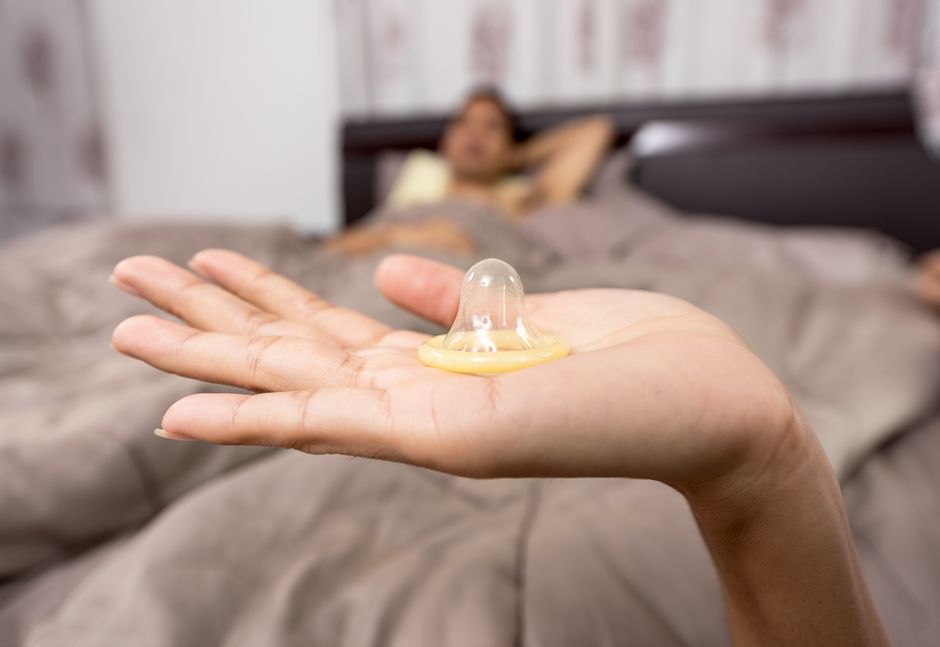
Premature ejaculation is the most common sexual complaint in men under 60, and the good news is that it responds well to treatment. The methods with the strongest evidence are behavioral techniques that teach you to notice rising arousal and slow down before you reach the point of no return. These include the stop-start method, the squeeze technique, pelvic floor exercises, and graded practice either alone or with a partner. For many men, combining a behavioral method with a topical anesthetic or a prescribed medication works better than either approach alone.
What Actually Counts as Premature Ejaculation?
Premature ejaculation is not defined by a single number. It is defined by a pattern: ejaculation that happens within about one minute of penetration (lifelong type) or a clear reduction in latency to roughly three minutes or less (acquired type), plus a lack of control, distress, and relationship strain.
That last part matters. A man who finishes quickly but feels fine about it does not meet the criteria. Distress and loss of control are part of the definition, not optional extras.
There are two main types. Lifelong PE has been present since a man’s first sexual experiences. Acquired PE develops later after a period of normal function. The distinction guides treatment. Acquired PE sometimes has an identifiable trigger such as anxiety, a new medication, thyroid problems, or erectile difficulties, and addressing that trigger can resolve the problem.
One clarification worth making: PE is not the same as erectile dysfunction, though they overlap. Some men develop PE because they rush to finish before losing an erection. In those cases the erection problem often needs treatment first.
How To Not Ejaculate Early: Methods That Work
Behavioral techniques are the first-line approach for most men and have decades of clinical use behind them. They work by retraining your awareness of the sensations that come just before ejaculation, often called the “point of no return.”
The stop-start method is the most studied. You stimulate until you feel close to ejaculating, then stop completely for 30 seconds or so until the urge fades, then resume. Repeat this two or three times before allowing ejaculation. Over weeks, this builds awareness of your arousal curve so you can slow down earlier.
The squeeze technique is similar. When you feel close, you or your partner squeezes the head of the penis firmly for several seconds until the urge passes, then resumes. Some men find this more effective than stopping alone.
Both methods require practice, usually over several weeks to a few months. They are not instant fixes, and results vary. The evidence supporting them is moderate rather than overwhelming — studies are often small and rely on self-reporting — but they are widely recommended because they carry no side effects and can be combined with other treatments.
Pelvic floor exercises (Kegels) strengthen the muscles involved in ejaculation. A small but growing body of research suggests that men who train these muscles can delay ejaculation. The technique involves contracting the muscles you would use to stop urinating mid-flow, holding for a few seconds, then releasing. Doing this daily for several months is the typical approach, though optimal training schedules are not firmly established.
Does Masturbation Practice Help You Last Longer?
Practicing alone before you practice with a partner is a reasonable strategy, and many clinicians suggest it. The idea is to learn the sensations of approaching ejaculation in a low-pressure setting, so you can recognize them during sex.
The “edging” approach — bringing yourself close to climax and then backing off repeatedly — is popular online. It overlaps with stop-start but has less formal research behind it. Some men find it helpful. Others find that extended edging leads to frustration or delayed ejaculation during partnered sex, which is a different problem.
What matters is not the specific label but the principle: repeated practice at recognizing and responding to rising arousal. Doing this without a partner removes performance anxiety from the equation, which is often a major contributor to PE in the first place.




Do Numbing Sprays and Condoms Actually Work?
Topical anesthetics containing lidocaine or prilocaine are among the better-supported treatments. Applied to the penis 10 to 15 minutes before sex, they reduce sensitivity and can extend latency. A condom can be used over them to prevent numbing your partner.
These products are available over the counter in some forms and by prescription in others. They are generally well tolerated, though they can cause irritation or transfer enough numbness to reduce your partner’s sensation. Using too much can make erections harder to maintain.
There is also an important limitation: topical agents treat the symptom, not the underlying pattern. They are often most useful combined with behavioral techniques rather than as a standalone solution.
What About Medication and Other Treatments?
Several prescription options exist for PE. The most commonly studied are a class of antidepressants called SSRIs, which delay ejaculation as a side effect. Drugs specifically studied for PE include dapoxetine, which is approved for this use in some countries but not in the United States. In the US, clinicians sometimes prescribe off-label SSRIs or a drug called tramadol, though tramadol carries dependence and safety concerns that make it a less preferred option.
These medications are not without side effects. Nausea, drowsiness, and sexual side effects like reduced libido or difficulty reaching orgasm are possible. They also require a prescription and medical supervision. This is not a self-treatment category.
Other approaches with some evidence include:
- Couples therapy or sex therapy — helpful when anxiety, communication problems, or relationship stress are driving the issue.
- Treating underlying conditions — thyroid disorders, prostatitis, and erectile dysfunction can all contribute to acquired PE.
- Mindfulness-based training — emerging evidence suggests it can reduce anxiety and improve control, though studies are still limited.
What does not have solid evidence? Herbal supplements marketed for PE. No large human trials have confirmed that these products work, and some have been found to contain undisclosed pharmaceutical ingredients. Be cautious with anything sold as a “natural” cure.
When Should You See a Doctor?
See a doctor if PE started suddenly after a period of normal function, if it causes significant distress, or if it is affecting your relationship. Acquired PE can signal an underlying medical issue that needs evaluation.
A clinician can rule out thyroid problems, hormonal imbalances, and prostate conditions. They can also discuss prescription options and refer you to a sex therapist if needed.
Many men avoid seeking help because of embarrassment. That is understandable, but PE is common and treatable. Most men see improvement with a combination of behavioral techniques and, when appropriate, medication or topical agents.
Frequently Asked Questions
How long does it take for stop-start technique to work?
Most men notice improvement after several weeks of consistent practice, though it can take a few months. Results depend on how often you practice and whether you combine it with other methods.
Can pelvic floor exercises really help with premature ejaculation?
Some studies suggest they can, and they carry no risk. The evidence is not as strong as for behavioral techniques like stop-start, but many clinicians recommend them as part of a broader approach.
Are numbing sprays safe to use every time?
They are generally considered safe for regular use, but overuse can reduce sensation too much and make erections harder to maintain. Follow the product instructions and talk to a doctor if you use them frequently.
Do I need a prescription for premature ejaculation treatment?
Behavioral techniques and over-the-counter numbing products do not require a prescription. Medications like SSRIs or dapoxetine do, and they need medical supervision because of potential side effects.
