
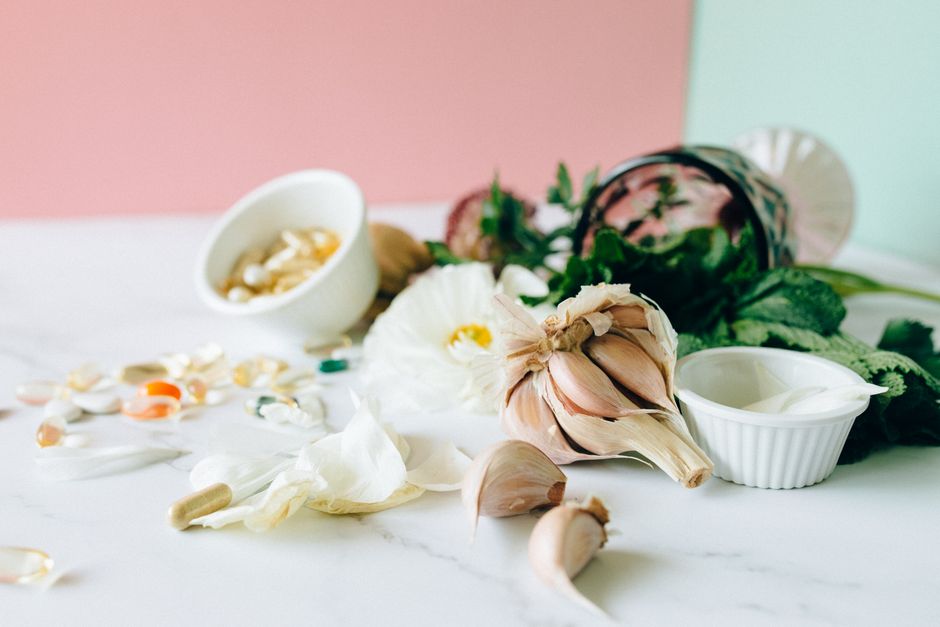
Garlic burns because it is tiny. A minced clove has far more surface area than a sliced one, so the heat reaches every particle at once. The window between raw, golden, and bitter is short — often under a minute at medium heat. The fix is simple: add garlic later than you think, keep the heat moderate, and stir constantly. If you want deep garlic flavor in a dish, cook the garlic gently and early in oil at low heat, or add most of it near the end.
Why Does Garlic Burn So Fast?
Garlic is mostly water and carbohydrate, with very little fat or protein to buffer heat. When a thin piece of garlic hits hot oil, the water inside turns to steam almost immediately. Once that water is gone, the sugars and other compounds in the garlic start to brown and then char.
There is also a chemical side to this. Garlic contains sulfur compounds that give it its smell and taste. At high heat, these compounds break down and rearrange into bitter, acrid molecules. That is why burnt garlic tastes harsh and lingers in a dish — it is not just browned, it has chemically changed.
The size of the cut matters more than most people realize. A whole clove can sit in oil for several minutes without burning. A minced clove can scorch in 30 to 60 seconds. Same garlic, same pan, very different outcome.
How To Not Burn Garlic Heat Timing And Cut
Three things control whether garlic browns or burns: how hot the pan is, when the garlic goes in, and how finely you cut it. Get those three right and burnt garlic becomes rare.
Heat
Medium to medium-low heat is the safe zone for garlic. High heat is for searing meat or boiling water, not for garlic. If your oil is shimmering and starting to smoke, it is too hot for garlic. Let the pan cool for 30 seconds before adding it.
A useful test: drop one small piece of garlic into the oil first. If it sizzles gently and slowly turns golden, the heat is right. If it spits and browns within seconds, pull the pan off the heat and wait.
Timing
Garlic should go into the pan after aromatics like onions have already softened. Onions need several minutes; garlic needs seconds to a minute. Adding them together means the garlic is overcooked by the time the onion is ready.
For dishes where you want garlic to flavor the oil — like a stir-fry or a pasta sauce base — add it near the end of the oil-heating stage, stir for 30 to 45 seconds, then add your other ingredients or liquid right away. The liquid stops the cooking and protects the garlic from going too far.
For raw garlic flavor, add it in the last minute of cooking, or off the heat entirely. The residual heat of a hot pan is often enough to take the raw edge off without any browning at all.
Cut
Match the cut to how long the garlic will cook.
- Whole cloves — best for slow cooking, braises, or infusing oil over low heat. They can handle several minutes.
- Sliced — good for quick sautés. They brown in about a minute at medium heat.
- Minced or crushed — the most prone to burning. Add last, stir constantly, and have your next ingredient ready to go in.
A common mistake is mincing garlic as finely as possible for “more flavor.” Finer cuts do release more flavor, but they also burn faster. If you want a strong garlic presence, use more garlic, not finer garlic.
Does Burnt Garlic Ruin the Whole Dish?
Yes, if it stays in. Burnt garlic is bitter and the bitterness spreads through the oil or sauce it is sitting in. You cannot fix it by adding sugar or more liquid.
If you catch it early — garlic just starting to darken at the edges but not black — you can often save the dish by pulling the pan off the heat immediately. If the garlic is truly black, the practical move is to wipe out the pan and start that step again. It is annoying, but it is faster than trying to mask the taste.
One small clarification: golden-brown garlic is not burnt. It is toasted, and it tastes sweeter and nuttier than raw garlic. The line between toasted and burnt is narrow but real. Light golden is good; dark brown or black is not.
Should You Cook Garlic in Oil or Add It to Liquid?
Oil heats garlic fast and unevenly, which is why it burns so easily. Liquid heats it more gently. If you are worried about burning, adding garlic to a sauce, stew, or broth is far more forgiving.
Garlic cooked in liquid does not brown, so it will not develop that toasted flavor. It stays softer and milder. That is fine for soups and braises, but not what you want for a stir-fry.
There is a middle path many cooks use: start garlic in a small amount of oil at low heat, stir until it smells fragrant but has not colored, then add liquid or other ingredients. This gets you some of the toasted flavor without the risk of burning.
Does Garlic Burn More Easily in Some Pans?
Yes. Thin pans heat unevenly and develop hot spots, which is where garlic burns first. Thick-bottomed pans — cast iron, heavy stainless steel, or good nonstick — spread heat more evenly and give you more control.
Nonstick pans have a practical advantage here: you can use lower heat and still get good browning, which reduces the burn risk. The trade-off is that nonstick coatings should not be heated to very high temperatures, but that is not a problem for garlic, which should never be cooked at high heat anyway.
Cast iron holds heat well but takes longer to cool down. If your cast iron pan is too hot, moving it off the burner will not drop the temperature quickly. In that case, add the garlic and stir constantly, or add a splash of liquid to bring the pan temperature down before the garlic goes in.
What About Jarred or Pre-Minced Garlic?
Jarred garlic is wetter and more processed than fresh, and it behaves differently in a hot pan. It tends to spatter and can burn faster because the pieces are small and the moisture content is different. It also has a milder, sometimes slightly sour flavor compared to fresh.
If you use jarred garlic, treat it like minced fresh garlic: low heat, add late, stir constantly. Do not assume it is more forgiving just because it comes from a jar.
Can You Prevent Burning by Adding Garlic to a Cold Pan?
Yes, and this is one of the most reliable techniques. Put the oil and garlic in the pan together before turning on the heat. As the pan warms, the garlic heats gradually and releases its flavor into the oil without ever hitting a sudden blast of heat.
This method — sometimes called a cold start — is slower but very hard to mess up. It works well for making garlic oil, for starting a pasta sauce, or any time you want deep garlic flavor without the risk of scorching. Watch the garlic closely once the oil starts to sizzle; even a cold start can burn if you walk away.
How Do You Know When Garlic Is Done?
Smell is the best signal. Raw garlic smells sharp and almost harsh. As it cooks, the smell turns sweeter and more rounded. When the garlic smells fragrant and nutty rather than sharp, it is close to done.
Look for color change. Garlic should go from opaque white to pale gold. If it is still white, it is undercooked. If it is dark brown, it has gone too far. The change happens fast, so stay at the stove.
Texture is a secondary clue. Properly cooked garlic is soft and slightly yielding, not crisp. Crisp garlic has lost its moisture and is on its way to burning.
Frequently Asked Questions
How long does garlic take to burn in a pan?
Minced garlic can burn in 30 to 60 seconds at medium-high heat. At medium-low heat it may take a minute or two, which is why lower heat gives you more control.
Should I add garlic before or after onions?
Add garlic after onions have softened. Onions need several minutes to cook, while garlic needs less than a minute, so adding them together usually burns the garlic.
Does burnt garlic taste bad in a dish?
Yes. Burnt garlic turns bitter and the bitterness spreads through the oil or sauce. If the garlic is black, the practical fix is to start that step over.
Can I cook garlic in butter instead of oil?
Yes, but butter burns at a lower temperature than most oils. Use low to medium-low heat and watch closely, since the milk solids in butter brown quickly.
