
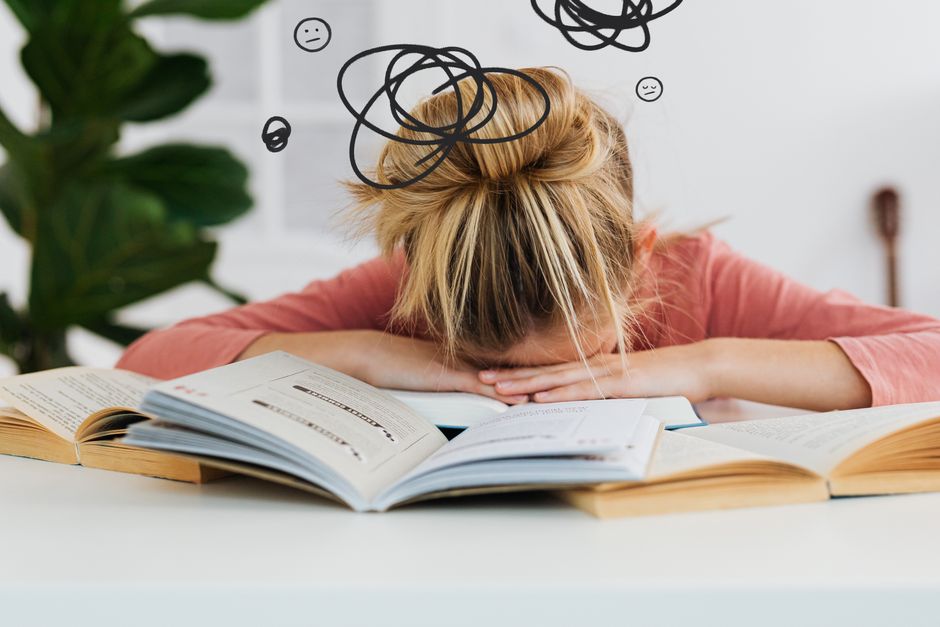
Feeling nervous about school is one of the most common experiences people have, and it is not a sign that something is wrong with you. The feeling comes from your body’s natural stress response, which is designed to prepare you for something that matters. The way to reduce it is not to force yourself to stop feeling nervous, but to change how you respond to the feeling and to reduce the uncertainty that feeds it.
Why Do You Get Nervous About School?
Nervousness before school is your body’s stress response activating. This is a well-established physiological process. When your brain perceives a threat, it signals the release of hormones including adrenaline and cortisol. These hormones increase heart rate, sharpen attention, and prepare muscles for action.
The threat does not have to be physical. Social evaluation, fear of failure, and uncertainty all trigger the same response. Your brain does not distinguish clearly between a physical danger and a social one.
This response is not a defect. It is a system that evolved to help you respond to challenges. The problem is that it can fire in situations where it is not helpful, or fire too strongly for too long.
Several factors make school nervousness more likely:
- Unpredictability, such as not knowing what to expect from a class, teacher, or social situation
- Past negative experiences at school, including embarrassment or conflict
- High personal standards and fear of judgment
- Sleep deprivation, which increases stress reactivity
- Social anxiety, which is a clinical condition when it becomes persistent and impairing
Understanding which of these applies to you matters, because the strategies differ. General nervousness responds well to preparation and gradual exposure. Persistent, intense anxiety that interferes with daily functioning may need professional support.
How To Not Be Nervous For School Anymore: What Actually Helps
The most effective approach to reducing school nervousness combines several strategies that address both the physical stress response and the thoughts driving it. No single technique works for everyone, and the evidence for each varies.
Slow breathing is one of the better-supported techniques for reducing acute anxiety. Breathing at a slower rate than normal activates the parasympathetic nervous system, which counteracts the stress response. A common approach is to breathe in for a count of four and out for a count of six, though the exact count matters less than making the exhale longer than the inhale.
Gradual exposure has strong evidence behind it. Avoiding situations that make you nervous reduces anxiety in the short term but makes it worse over time. Facing them gradually, starting with lower-stakes situations, teaches your nervous system that the situation is not dangerous. This is the core mechanism behind exposure therapy, which is a well-established treatment for anxiety disorders.
Preparation reduces the uncertainty that feeds nervousness. Knowing your schedule, having your materials ready, and reviewing material you are worried about can lower anticipatory anxiety. This works because uncertainty is a major driver of the stress response.
Reframing the physical sensation is a technique with some research support. Instead of interpreting a racing heart as a sign that something bad is about to happen, you can interpret it as your body preparing you to perform. Some studies suggest this reframing can improve performance and reduce the distress associated with anxiety.
Regular physical activity is associated with lower anxiety levels in general. The evidence for exercise as a treatment for clinical anxiety is moderate, but the general association between regular activity and lower anxiety symptoms is consistent across studies.
Sleep has a direct effect on stress reactivity. Sleep deprivation increases the stress response and makes it harder to regulate emotions. Getting consistent sleep is one of the most reliable ways to reduce baseline nervousness.
What Makes School Nervousness Worse?
Certain habits and patterns reliably increase anxiety over time, even when they feel helpful in the moment.
Avoidance is the most significant. Skipping class, staying home, or avoiding social situations reduces anxiety briefly but strengthens it long term. Each time you avoid, your brain learns that the situation was indeed dangerous. This is one of the most consistent findings in anxiety research.
Excessive reassurance-seeking also backfires. Asking others repeatedly whether everything will be okay provides temporary relief but does not build your own capacity to tolerate uncertainty. Over time, it can make you more dependent on external reassurance.
Poor sleep, high caffeine intake, and skipping meals all increase baseline anxiety. Caffeine in particular can mimic and amplify the physical sensations of anxiety, which can create a feedback loop where you interpret the caffeine effects as evidence that something is wrong.
Rumination, or repeatedly going over the same worried thoughts, is a strong predictor of persistent anxiety. The thoughts feel productive, but they rarely lead to solutions. They mostly strengthen the habit of worrying.





When Is School Nervousness a Sign of Something More?
Nervousness about school is normal. But when it becomes persistent, intense, and interferes with your ability to function, it may meet the criteria for an anxiety disorder.
Social anxiety disorder involves intense fear of social situations where you might be judged or embarrassed. It is one of the most common anxiety disorders. The key difference from ordinary nervousness is the degree of impairment and the persistence of the fear.
Generalized anxiety disorder involves excessive worry about multiple areas of life that is difficult to control. It often includes physical symptoms such as restlessness, muscle tension, and sleep problems.
If nervousness is causing you to miss school, avoid social contact, or significantly distress you on a regular basis, that is a reason to speak with a doctor or mental health professional. These conditions are treatable, and effective treatments exist, including cognitive behavioral therapy and, in some cases, medication.
This is not about labeling normal nervousness as a disorder. It is about recognizing when the level of distress or impairment warrants professional attention.
Practical Steps You Can Take Before and During School
Small, specific actions can reduce nervousness in the moment. These are not cures, but they can make the feeling more manageable.
- Prepare the night before: lay out clothes, pack your bag, and review your schedule so morning uncertainty is lower
- Eat breakfast: low blood sugar can mimic and worsen anxiety symptoms
- Limit caffeine, especially if you are already feeling nervous
- Arrive a few minutes early so you are not rushing, which increases stress
- Use slow breathing before entering a situation that makes you nervous
- Set a small, specific goal for the day, such as speaking once in class, rather than aiming to feel completely calm
- After school, note what went better than expected, which helps correct the brain’s tendency to overestimate threat
The goal is not to eliminate nervousness. The goal is to function alongside it. Many people who appear confident still feel nervous. The difference is that they have learned to act despite the feeling, and over time the feeling often diminishes.
Does Nervousness Ever Go Away Completely?
For most people, nervousness about school decreases over time, but it rarely disappears entirely. This is because the stress response is a normal part of human physiology. It does not switch off permanently.
What changes with practice is your relationship to the feeling. You become better at recognizing it, tolerating it, and continuing to act. The feeling itself becomes less threatening because you have evidence that you can handle it.
Some people find that nervousness fades significantly as they gain experience and familiarity. Others continue to feel nervous before new or high-stakes situations throughout their lives. Both patterns are normal.
The evidence is clear on one point: avoidance makes anxiety worse, and gradual engagement makes it better. This is one of the most consistent findings in the research on anxiety. The specific techniques matter less than the overall direction of facing rather than avoiding.
Frequently Asked Questions
Why am I so nervous for school every day?
Daily nervousness usually comes from ongoing uncertainty, past negative experiences, or an underlying anxiety condition. If it happens most days and interferes with your functioning, it is worth discussing with a doctor or mental health professional.
How can I calm down quickly before school?
Slow breathing with a longer exhale than inhale can reduce the physical stress response within a few minutes. Preparation the night before also lowers anticipatory anxiety by reducing uncertainty.
Is it normal to be nervous about school?
Yes, nervousness about school is very common and is a normal stress response. It only becomes a concern when it is persistent, intense, or interferes with your daily life.
Does avoiding school make nervousness better or worse?
Avoidance makes nervousness worse over time because it teaches your brain that the situation was dangerous. Gradual exposure, starting with smaller steps, is the better-supported approach for reducing anxiety long term.
