
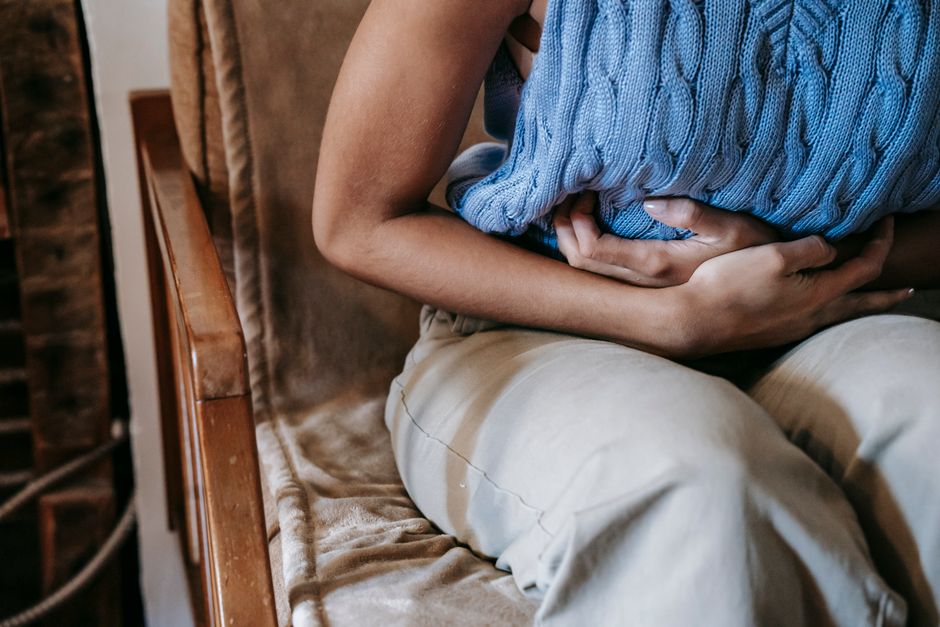
Period bloating is one of the most common and frustrating symptoms of the menstrual cycle. That heavy, tight, swollen feeling in your belly usually starts a few days before your period begins and often lingers into the first few days of bleeding. The good news is that this is normal, temporary, and driven by specific hormonal shifts—not by actual fat gain. You can reduce the discomfort with a few targeted changes to your diet, hydration, and daily habits.
What Causes Bloating During Your Period?
Bloating happens because of changing hormone levels, not because you are gaining weight. In the week before your period, estrogen and progesterone levels shift. These changes affect how your body handles salt and water.
When estrogen is high relative to progesterone, your body tends to retain more sodium. Water follows sodium. That extra fluid settles in your abdomen, breasts, and sometimes your fingers and ankles. Progesterone also slows down your digestive tract. Food moves more slowly through your intestines, which can increase gas and that full, heavy sensation.
Another factor is prostaglandins. These are hormone-like chemicals your uterus releases to help it shed its lining. They can also affect your gut, sometimes causing cramps, diarrhea, or extra gas. The combination of water retention and slower digestion is what makes your stomach feel swollen and tight.
How to Not Be Bloated on Your Period: What Actually Works
You cannot stop the hormonal shift, but you can influence how much water your body holds and how much gas builds up in your gut. These are the strategies with the strongest evidence behind them.
Cut back on salt. Sodium is the biggest dietary driver of water retention. When your hormones are already making you hold onto fluid, extra salt makes it worse. Avoid processed foods, canned soups, deli meats, and salty snacks in the week before your period. Cook at home with fresh ingredients when you can. Even two or three days of lower sodium intake can noticeably reduce bloating.
Drink more water, not less. It sounds backward, but drinking enough water actually helps your body release the fluid it is holding. When you are dehydrated, your body holds onto whatever water it has. Staying well hydrated signals your kidneys that it is safe to flush out excess fluid. Aim for your usual daily water intake, and add a glass or two more if you are craving salty foods.
Keep moving. Gentle exercise like walking, swimming, or yoga helps move gas through your digestive tract. Movement also stimulates blood circulation, which can help your body clear excess fluid faster. You do not need an intense workout—even a 20-minute walk after meals can reduce that heavy, full feeling.
Eat potassium-rich foods. Potassium helps balance sodium in your body. When you have enough potassium, your kidneys are better able to excrete excess sodium and water. Bananas, sweet potatoes, spinach, avocado, and oranges are all good sources. Adding these foods in the days before your period can help counteract the water retention caused by salt.
Choose magnesium-rich foods. Some research suggests that magnesium can help reduce overall premenstrual symptoms, including bloating. Dark leafy greens, nuts, seeds, and whole grains are natural sources. Magnesium also helps regulate bowel movements, which can ease the constipation that often accompanies period bloating.
Foods to Avoid When You Are Bloated
Some foods are more likely to cause gas and water retention, especially when your digestion is already slower than usual.
Carbonated drinks. The bubbles in soda, sparkling water, and beer are carbon dioxide gas. When you swallow them, that gas travels into your digestive tract. If your digestion is already sluggish, those bubbles can get trapped and add to the pressure in your abdomen.
Fried and fatty foods. Fat takes longer to digest than protein or carbohydrates. When progesterone has already slowed your digestion, a heavy, greasy meal sits in your stomach longer. That can cause a feeling of fullness and pressure that lasts for hours.
Certain gas-producing vegetables. Broccoli, cauliflower, cabbage, and Brussels sprouts contain a type of carbohydrate that ferments in the colon. For some people, this fermentation produces noticeable gas. You do not need to avoid these vegetables entirely, but if you notice they make your bloating worse, it is reasonable to eat smaller portions or choose lower-gas options like zucchini, green beans, or spinach during your period.
Artificial sweeteners. Sugar alcohols like sorbitol and xylitol are poorly absorbed by the small intestine. They draw water into the gut and ferment in the colon, which can cause bloating and gas. Check labels on sugar-free gum, candies, and protein bars. If you are prone to bloating, these can make it worse.
Dairy. If you are lactose intolerant, even a small amount of dairy can cause significant bloating and gas. Many people do not realize they have a mild intolerance until they notice that milk or ice cream consistently causes bloating. If dairy is a trigger for you, choose lactose-free options or plant-based alternatives during your period.



Does Exercise Help Period Bloating?
Yes, but not for the reason most people assume. Exercise does not directly flush out water or “burn off” bloating. What it does is stimulate your digestive system.
Physical activity encourages peristalsis—the wave-like muscle contractions that move food and gas through your intestines. When your digestion is slowed by progesterone, a brisk walk or a bike ride can get things moving again. Many women report that passing gas or having a bowel movement provides immediate relief from bloating.
Exercise also helps with stress. Stress hormones like cortisol can worsen water retention and digestive discomfort. Even light activity lowers cortisol levels, which indirectly helps reduce bloating.
There is no need to push yourself. Gentle, consistent movement is more effective than one intense workout. Try walking, stretching, swimming, or restorative yoga. Listen to your body—if you feel tired, a slow walk is still beneficial.
Over-the-Counter Options That Can Help
If dietary changes are not enough, some over-the-counter products target the specific causes of period bloating.
Simethicone is the active ingredient in gas-relief products like Gas-X. It works by breaking up trapped gas bubbles in your digestive tract. It does not reduce water retention, but it can relieve the pressure and discomfort caused by gas. It is generally well tolerated and does not interact with most medications.
Diuretics are sometimes used for severe water retention, but this is not something to self-prescribe. Over-the-counter “water pills” like those containing caffeine or dandelion extract have weak evidence for effectiveness. Prescription diuretics are available, but they are typically used under medical supervision for more serious fluid retention. If your bloating is severe enough that you are considering a diuretic, talk to your doctor first. Sudden changes in fluid balance can affect blood pressure and kidney function.
Magnesium supplements have some evidence for reducing overall PMS symptoms, including bloating. The research is not overwhelming, but magnesium is generally safe for most people when taken at recommended doses. It can also help with constipation. If you choose to try it, start with a low dose and take it with food to avoid stomach upset.
When Period Bloating Is Not Normal
Some bloating before and during your period is expected. But there are signs that something else might be going on.
If your bloating is so severe that your abdomen is visibly distended and painful, or if it does not go away after your period ends, see a doctor. Bloating that lasts for weeks at a time, or bloating accompanied by significant pelvic pain, changes in bowel habits, or unexplained weight loss, deserves medical evaluation.
Conditions like endometriosis, ovarian cysts, and irritable bowel syndrome can all cause bloating that is worse around your period. These conditions require proper diagnosis and treatment. They will not improve with salt reduction or more water alone.
Also, if you notice that bloating is accompanied by severe pain, fever, or vomiting, seek medical care promptly. These symptoms are not typical for a normal period and could indicate an infection or other urgent issue.
Frequently Asked Questions
How long does period bloating last?
Period bloating typically starts a few days before your period and usually resolves within a few days after bleeding begins. As your hormone levels drop and stabilize, your body releases the extra fluid and bloating subsides.
Why do I gain weight on my period even though I did not eat more?
That weight is mostly water, not fat. Hormonal shifts in the week before your period cause your body to retain sodium and water, which can add 2 to 4 pounds on the scale. This weight comes off naturally as your period progresses.
Can birth control pills reduce period bloating?
Some women find that hormonal birth control reduces bloating because it stabilizes hormone levels throughout the month. The effect varies by person, so some women may not notice a difference. Talk to your doctor about whether this is a reasonable option for you.
