
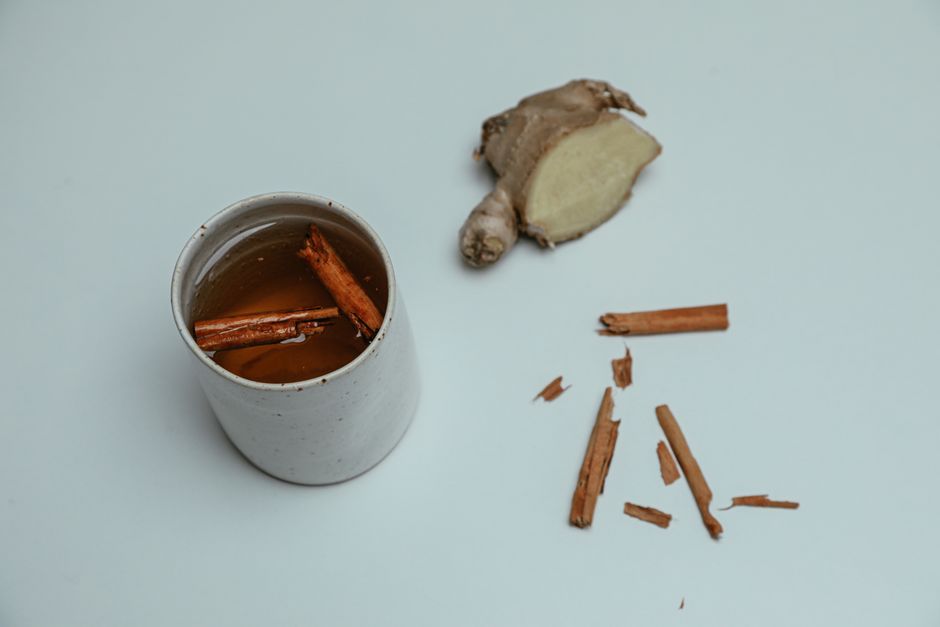
Mixing honey and cinnamon takes about a minute. Put one teaspoon of ground cinnamon into a small bowl, add one tablespoon of honey, and stir with a spoon until the mixture forms a thick, even paste with no dry cinnamon left at the bottom. If you want it thinner, stir in a few drops of warm water or a little more honey. That is the whole method — the rest is about getting the details right.
This combination shows up everywhere in wellness writing, often with big claims attached. Some of those claims hold up under research. Many do not. Here is how to mix it properly, how to use it, and what the evidence actually supports.
How To Mix Honey And Cinnamon Step by Step
The basic recipe is one part cinnamon to three parts honey by volume. That ratio gives you a spreadable paste that holds together and tastes balanced rather than bitter.
Here are the steps:
- Measure one teaspoon of ground cinnamon into a small bowl or cup.
- Add one tablespoon of honey.
- Stir slowly for 30 to 60 seconds. Scrape the sides and bottom so no dry powder hides there.
- Let it sit for a minute. The cinnamon absorbs moisture and the paste thickens slightly.
- Use it right away, or cover and refrigerate for up to a few days.
Small details matter more than people expect. Add the honey to the cinnamon, not the other way around — pouring powder into a full spoon of honey makes lumps that are hard to break up. Stir slowly. Fast stirring whips air into the honey and leaves a foamy texture.
If you are mixing a larger batch, keep the same 1:3 ratio. Two teaspoons of cinnamon to two tablespoons of honey, and so on. A batch keeps in the refrigerator for several days, though the texture stiffens when cold. Let it sit at room temperature for a few minutes before using.
For a drink rather than a paste, stir the cinnamon into a small amount of warm water first until it dissolves, then add the honey. Cinnamon does not dissolve well in honey alone, and it clumps in hot liquid if you dump it in dry.
What Kind Of Honey And Cinnamon Should You Use?
Plain ground cinnamon from the spice aisle works fine for mixing. You do not need a specialty product.
There are two main types of cinnamon sold in the US, and they are not the same. Cassia cinnamon is the common, inexpensive kind found in most supermarkets. Ceylon cinnamon, sometimes called “true cinnamon,” is lighter in color, more delicate in flavor, and more expensive.
The difference matters for one reason: coumarin. Cassia contains notably more coumarin than Ceylon. Coumarin is a natural compound that can harm the liver in large amounts. Health agencies in Europe have set tolerable daily intake limits for coumarin, and regular high intake of cassia is the main concern. For occasional use in normal cooking amounts, this is not a practical worry for most people. If you plan to eat cinnamon daily in larger amounts, choosing Ceylon reduces coumarin exposure. Anyone with liver disease, or anyone taking blood-thinning medication, should talk to a doctor or pharmacist before making cinnamon a daily habit — coumarin can interact with these drugs.
On honey: raw and regular honey have similar nutrition. Raw honey is not pasteurized, so it may carry small amounts of pollen and naturally occurring yeast. That is not a safety issue for healthy adults. It is a serious one for infants — see the safety section below.
Does Honey And Cinnamon Actually Do Anything?
Some of the popular claims about this pair are supported by early research. Most are not supported by strong human trials, and a few are simply wrong.
Here is an honest breakdown:
- Antioxidants: Both honey and cinnamon contain plant compounds with antioxidant activity. This is well established in laboratory studies. Whether eating them in small daily amounts produces meaningful health effects in people is not established.
- Blood sugar: Some small studies suggest cinnamon may modestly affect blood glucose in people with type 2 diabetes. Results across studies vary, and the effect is not large enough to replace medication or count as a treatment. Honey is itself a form of sugar and raises blood glucose.
- Cholesterol: Some trials have looked at cinnamon and blood lipids. Findings are inconsistent, and no major guideline recommends cinnamon for cholesterol management.
- Weight loss: No credible evidence shows honey and cinnamon cause weight loss. The popular “metabolism booster” claim is marketing, not science.
- Colds and coughs: Honey has reasonable evidence for soothing coughs in adults and children over one year. Cinnamon adds flavor, not proven benefit.
One point that gets lost: honey is roughly 80% sugar by weight. Adding a tablespoon of honey to your day adds sugar and calories. That does not make it unhealthy, but it is not a free food, and the cinnamon does not cancel the sugar out.
How Should You Use The Mixture?
There is no official recommended serving, because no health agency has set one. Typical traditional use is about one teaspoon of the mixed paste, taken once or twice a day.
Common ways people use it:
- Stirred into warm water or tea as a drink.
- Spread on toast or stirred into oatmeal or yogurt.
- Taken by the spoon, straight.
A word on warm water: heat degrades some of honey’s natural enzymes and antioxidant compounds. Very hot water also releases cinnamon’s aroma quickly and can make the drink taste harsh. Warm, not boiling, is the sensible choice. This is a flavor and quality point, not a health claim.
Do not cook the mixture at high heat. Honey scorches easily and turns bitter, and cinnamon’s flavor fades with prolonged boiling.
Who Should Avoid Honey And Cinnamon?
Honey should never be given to infants under 12 months old. This is a firm, well-established rule from pediatric authorities worldwide. Honey can contain spores of Clostridium botulinum, which can germinate in an infant’s immature gut and cause infant botulism — a rare but serious illness. Cooking or pasteurizing honey does not reliably destroy these spores. This applies to any food containing honey, including this mixture.
Other groups who should be cautious:
- People with diabetes: Honey raises blood sugar. If you monitor glucose, account for it. Talk to your care team about how it fits your plan.
- People with liver conditions: Because of coumarin in cassia cinnamon, regular larger amounts deserve a conversation with a doctor.
- People on blood thinners: Coumarin can interact with warfarin and similar drugs. Ask a pharmacist before regular use.
- Anyone with a cinnamon allergy: Rare, but real. Cinnamon is a known allergen for some people.
- People with pollen allergies: Raw honey can trigger reactions in some people with pollen sensitivity, though this is uncommon.
The mixture is generally fine for healthy adults in normal food amounts. That is a statement about food safety, not a treatment endorsement.
Common Mistakes When Mixing Honey And Cinnamon
Most problems with this mixture come from small errors in preparation, not from the ingredients themselves.
The biggest one is using too much cinnamon. Cinnamon is strong, and a heaping spoon makes the paste bitter and gritty. Stick to the ratio. If it tastes harsh, you used too much.
Another common mistake is using cold, crystallized honey. It will not blend smoothly. Warm the jar gently in a bowl of warm water until it flows, then measure.
People also tend to make too much at once. A single serving is small, and a big batch sits in the fridge until it is forgotten. Make what you will use in a few days.
Finally, do not expect the mixture to dissolve completely in cold liquids. Cinnamon stays suspended rather than dissolving, which is normal. Stir before drinking.
Frequently Asked Questions
What is the right ratio of honey to cinnamon?
The standard ratio is one part ground cinnamon to three parts honey by volume — for example, one teaspoon of cinnamon to one tablespoon of honey.
Can you give honey and cinnamon to a baby?
No. Honey should never be given to infants under 12 months because of the risk of infant botulism, and that applies to any mixture containing honey.
Is it better to use Ceylon or cassia cinnamon?
Ceylon cinnamon contains less coumarin than cassia, so it is the safer choice if you plan to eat cinnamon daily in larger amounts. For occasional small servings, either works.
Does honey and cinnamon help with weight loss?
No credible evidence shows that it does. Honey is high in sugar, and the mixture adds calories rather than burning them.
