
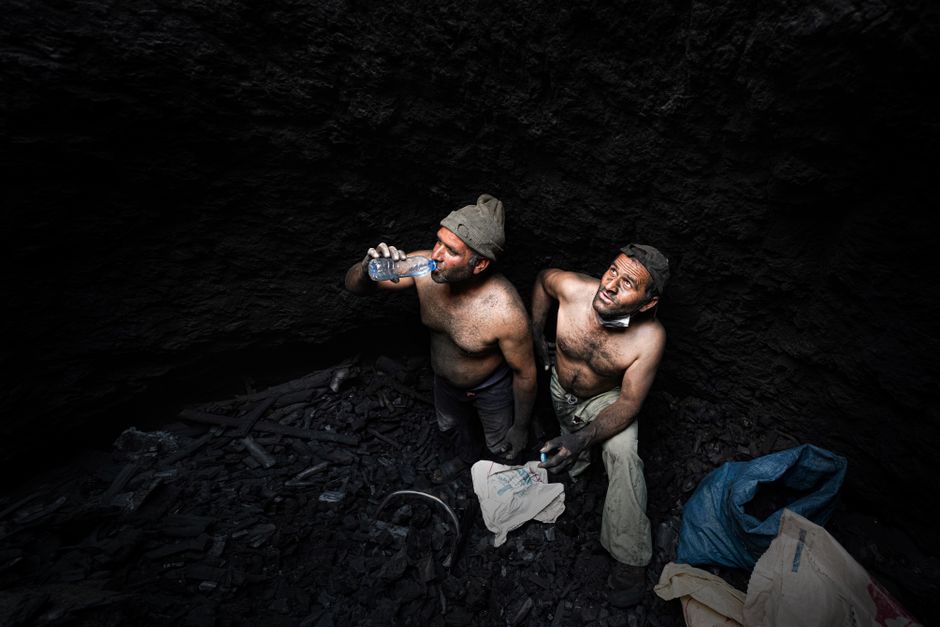
Mining uranium involves extracting uranium ore from the ground and processing it into a usable fuel or material. The two main methods are open-pit mining for shallow deposits and underground mining for deeper ore, followed by in-situ recovery (ISR) which dissolves uranium underground without removing the rock. After extraction, the ore undergoes milling to produce yellowcake, a concentrated uranium powder, which requires strict safety controls due to radiation and chemical hazards.
What Are the Main Methods of Uranium Mining?
There are three primary ways uranium is mined commercially. The choice depends on the depth and shape of the ore body, the surrounding geology, and economic factors.
Open-pit mining is used when uranium ore sits relatively close to the surface. Large pits are dug with heavy equipment, and the ore-bearing rock is hauled out for processing. This method disturbs a large surface area and requires careful management of waste rock and water runoff.
Underground mining is used when ore lies deeper underground. Miners access the ore through shafts or tunnels and remove the rock using drilling and blasting. This method requires extensive ventilation systems to control radon gas, a radioactive decay product that can accumulate in enclosed spaces.
In-situ recovery (ISR) is the most common method in the United States today. In ISR, a well is drilled into the uranium-bearing sandstone aquifer. A solution of water and oxygen — sometimes with added carbon dioxide or bicarbonate — is pumped down into the ore body. This solution dissolves the uranium, and the uranium-rich liquid is pumped back to the surface for processing. The ore itself stays underground.
ISR has a much smaller surface footprint than open-pit or underground mining. It does not produce large waste rock piles or tailings ponds. However, it can only be used in specific geological settings where the ore is permeable and contained within a confined aquifer that will not spread contamination.
How Is Uranium Ore Processed After Mining?
The ore that comes out of an open-pit or underground mine is not pure uranium. It typically contains only a fraction of a percent of uranium by weight. The rest is waste rock and other minerals.
The first step is milling. The ore is crushed and ground into a fine powder. Then it is treated with acid or alkaline solutions to dissolve the uranium. The uranium is separated from the remaining solids and precipitated out as a concentrated powder called yellowcake, which is about 80 percent uranium oxide.
For ISR operations, the uranium-bearing solution from the wells is pumped through ion-exchange columns. The uranium sticks to the resin, and the water is returned to the aquifer. The loaded resin is then treated to strip off the uranium, which is precipitated and dried into yellowcake.
Yellowcake is not yet fuel for a nuclear reactor. It must go through further conversion and enrichment processes before it can be used. Most commercial reactors require uranium that has been enriched to increase the concentration of the fissile isotope uranium-235 from its natural level of about 0.7 percent to between 3 and 5 percent.
What Are the Radiation Risks in Uranium Mining?
Uranium itself emits alpha particles, which cannot penetrate human skin. The main radiation hazards in mining come from what uranium decays into, not the uranium itself.
Radon gas is the most significant hazard in underground uranium mines. Radon is a radioactive noble gas that seeps out of the ore and can be inhaled. Once in the lungs, it decays into solid radioactive particles that can damage lung tissue. Prolonged exposure to elevated radon levels increases the risk of lung cancer. This is why underground mines require powerful ventilation systems that constantly dilute and exhaust the gas.
Radon decay products, also called radon daughters, attach to dust particles in the air. When miners breathe this dust, the radioactive particles lodge in the airways. The combination of radon gas and its decay products is the primary radiation exposure pathway in uranium mining.
Gamma radiation is also present. While alpha particles are stopped by skin or clothing, gamma rays penetrate the body. Miners working close to high-grade ore or concentrated yellowcake receive gamma exposure. This is monitored with personal dosimeters, and exposure limits are enforced by regulation.
Radiation dose is measured in millisieverts (mSv). Occupational exposure limits for radiation workers are set by regulatory bodies and are typically around 20 mSv per year averaged over five years. For comparison, the average person in the United States receives about 3 mSv per year from natural background radiation, including cosmic rays, radon in homes, and medical procedures.





What Safety Measures Are Required?
Uranium mining is one of the most tightly regulated industries in the United States. The Nuclear Regulatory Commission (NRC) and the Environmental Protection Agency (EPA) oversee licensing, radiation protection, and environmental standards. State agencies may also have jurisdiction.
Key safety measures include:
- Radon monitoring and ventilation in underground mines to keep radon concentrations below regulatory limits.
- Personal dosimeters worn by all workers to track cumulative radiation exposure.
- Respiratory protection such as half-mask respirators where dust or radon levels exceed limits.
- Air sampling in work areas to measure airborne radioactive dust and radon decay products.
- Contamination control, including changing rooms and shower facilities to prevent workers from carrying radioactive dust home on clothing or skin.
- Water monitoring around ISR sites to verify that the uranium-bearing solution stays within the ore body and does not migrate into surrounding aquifers.
- Tailings management at mill sites. The waste slurry left after uranium extraction contains radioactive decay products and heavy metals. It must be stored in engineered impoundments that prevent leakage into groundwater.
Medical surveillance programs track worker health over time. These programs monitor lung function, radiation dose records, and other health indicators.
What Happens to the Waste?
Every mining method produces waste that requires long-term management.
Open-pit and underground mining generate waste rock — the material removed to access the ore. Waste rock can contain low levels of radioactivity and heavy metals. It is often stored on site in piles that are monitored and capped to limit water infiltration and dust generation.
Milling produces tailings, a sand-like slurry of crushed rock and chemical residues. Tailings contain about 85 percent of the original radioactivity of the ore, mostly from decay products like radium and thorium. They also contain the chemicals used in the extraction process, such as sulfuric acid or ammonia.
Tailings must be stored in engineered facilities with impermeable liners, drainage collection systems, and final covers of soil and vegetation. These facilities are designed to last for hundreds of years, and they are regulated under both NRC and EPA rules.
ISR produces less solid waste, but it does generate liquid waste. The groundwater in the mined zone is treated and monitored after operations end. Restoration of the aquifer to baseline water quality standards is required before the site license can be terminated. This process can take years and is a significant cost of ISR operations.
Is Uranium Mining Safe for Nearby Communities?
The safety of nearby communities depends on whether the operation follows regulatory requirements and whether monitoring is effective.
Regulated uranium mines in the United States operate under strict standards for air emissions, water discharges, and waste management. The EPA sets limits on radon emissions from uranium mines and mills. The NRC requires environmental monitoring plans that sample air, water, and soil around the site.
Historical uranium mining was not always this controlled. Many early mines in the 1950s and 1960s operated with little oversight, and miners experienced elevated rates of lung cancer. Studies of these early mining cohorts provided much of what we know today about radon exposure risks. Modern regulations were developed in response to those findings.
For ISR specifically, the main community concern is groundwater. The same aquifer that contains the uranium may also be a source of drinking water elsewhere. ISR sites require an exemption from the EPA’s Underground Injection Control program, which involves demonstrating that the mining zone is isolated from usable aquifers and that fluids will not migrate. Community monitoring wells are often required to verify this isolation.
No mining operation carries zero risk. The question is whether the risks are understood, monitored, and kept within established limits. For modern regulated operations, the evidence indicates that occupational and environmental exposures can be kept well below levels associated with measurable health effects.
Frequently Asked Questions
What is yellowcake uranium?
Yellowcake is the concentrated uranium powder produced after milling, containing about 80 percent uranium oxide. It is the standard intermediate product shipped from mines to conversion facilities, not yet usable as reactor fuel.
How long does it take to restore groundwater after in-situ uranium mining?
Groundwater restoration after ISR mining typically takes several years, though some sites have required more than a decade. The process involves flushing the mined zone with clean water or chemical treatments to reduce contaminant levels to regulatory standards.
Can uranium miners wear standard respirators for radon protection?
Standard particulate respirators do not filter out radon gas because it is a gas, not a particle. They do help by capturing radioactive dust particles that carry radon decay products, which is why they are used in combination with ventilation systems.
Is uranium mining legal in all US states?
Uranium mining is legal in the United States but requires federal and state permits, and some states have placed moratoriums or additional restrictions. Virginia, for example, had a state ban on uranium mining that was upheld by the state supreme court in 2019.
