
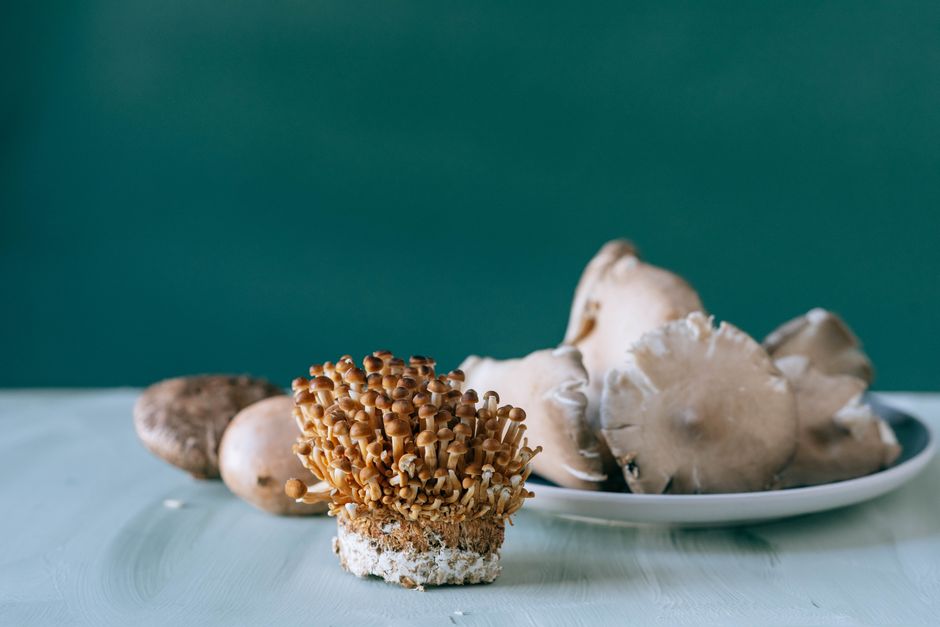
Mushrooms are one of the few foods where the same recipe can call for wildly different amounts depending on whether you’re holding a fresh portobello or a handful of dried porcini. The core rule is simple: fresh mushrooms are measured by weight or by volume after cleaning and trimming, dried mushrooms are measured by weight or rehydrated volume, and powdered mushrooms are measured by weight because a tablespoon of powder can vary widely depending on the grind. Getting this right matters because dried and powdered mushrooms are far more concentrated than fresh ones, and using the wrong amount can throw off both flavor and texture.
Why Fresh and Dried Mushrooms Can’t Be Measured the Same Way
Water is the difference. Fresh mushrooms are roughly 80 to 90 percent water by weight, depending on the variety and how long they’ve been sitting. That water contributes almost nothing to flavor or nutrition, but it contributes heavily to weight and volume.
When you dry a mushroom, you’re removing most of that water. What’s left is a concentrated version of the same tissue. This is why a large pile of fresh mushrooms can shrink down to a surprisingly small amount after cooking — and why a small handful of dried mushrooms can flavor an entire pot of soup.
The practical takeaway: never substitute dried for fresh by equal volume or equal weight. They are not interchangeable units. If a recipe says “8 ounces fresh mushrooms,” using 8 ounces of dried mushrooms would be a serious mistake.
One clarification that trips people up: the “8 ounces” you see on a supermarket package of fresh mushrooms is weight, not volume. A standard package is 8 ounces by weight, which is usually about 2 to 3 cups sliced, depending on the variety.
How To Measure Fresh Mushrooms
Fresh mushrooms are almost always best measured by weight. A basic digital kitchen scale removes all guesswork, and it’s the method most professional recipes rely on.
If you don’t have a scale, volume works too — but you need to know what state the mushroom is in. A cup of whole mushrooms, a cup of sliced mushrooms, and a cup of chopped mushrooms are three different amounts of actual mushroom.
Whole, Sliced, and Chopped Are Not the Same
The more you cut a mushroom, the more it packs into a measuring cup. Chopped mushrooms fill the gaps that whole or sliced mushrooms leave, so a cup of chopped mushrooms contains more mushroom than a cup of sliced ones.
This is why recipes usually specify the form. “1 cup sliced mushrooms” means you slice first, then measure. “1 cup mushrooms, chopped” means you chop first, then measure. Following the order in the recipe matters more than most people realize.
Should You Measure Before or After Cooking?
Measure fresh mushrooms before cooking unless the recipe says otherwise. Mushrooms release a lot of water when heated, and they shrink dramatically. A cup of raw sliced mushrooms might cook down to a few tablespoons.
Recipes are almost always written around the raw amount, because that’s the amount that goes into the pan. If you measure after cooking, you’ll be measuring a much smaller and less predictable quantity.
A Note on Cleaning
Wipe mushrooms with a damp cloth or rinse them quickly and pat dry before measuring. Trimming the tough stem ends is also part of prep. The weight difference from cleaning is small, but the weight difference from leaving thick, woody stems on is not — especially with varieties like shiitake, where the stems are often removed entirely.
How To Measure Dried Mushrooms
Dried mushrooms are measured by weight when precision matters, and by volume when you’re working from a recipe that already accounts for their concentrated flavor.
Because drying removes water, dried mushrooms weigh far less than the fresh mushrooms they came from. The exact ratio depends on the variety and how thoroughly they were dried, but as a general reference, dried mushrooms rehydrate to roughly three to four times their dry weight. That means a small amount of dried mushroom goes a long way.
If a recipe calls for dried mushrooms, follow it as written. Don’t swap in an equal weight of fresh mushrooms, and don’t swap in an equal weight of dried mushrooms for a fresh measurement. The concentration is completely different.
Rehydrating Changes the Measurement
Once you soak dried mushrooms in warm water, they plump back up and gain weight. A recipe that says “1 ounce dried porcini, soaked” means you weigh them dry, then soak them.
The soaking liquid itself is often saved and used in cooking because it carries a lot of flavor. Strain it through a fine mesh or coffee filter first to remove any grit.
Grinding Dried Mushrooms Into Powder
You can grind dried mushrooms in a spice grinder or blender to make your own powder. This is a common way to add mushroom flavor to soups, sauces, and rubs without any rehydration step.
Once ground, the powder is even more concentrated by volume than the whole dried pieces, because grinding removes the air pockets between pieces. This is the main reason powder should be measured by weight, not scooped by the spoonful.
How To Measure Mushroom Powder
Mushroom powder should be measured by weight whenever possible. A tablespoon of finely ground powder and a tablespoon of coarsely ground powder can differ substantially in how much actual mushroom they contain, because the finer grind packs more tightly.
If you must use a spoon, use a level spoon and the same grind consistently. Don’t use a heaping spoon unless the recipe specifically calls for one.
Powder is potent. It’s easy to overdo it, and unlike whole mushrooms, you can’t easily fish out the excess. Start with less than you think you need, taste, and adjust. This is general cooking guidance, not a clinical recommendation — mushroom powder amounts in recipes vary too much for a single standard to apply.
Quick Reference: Fresh, Dried, and Powdered Compared
The table below summarizes how each form is typically measured and what to watch for. Exact conversion ratios vary by mushroom variety and drying method, so treat any ratio as approximate.
| Form | Best Measured By | Key Consideration |
|---|---|---|
| Fresh | Weight (grams or ounces) | Measure raw, before cooking; volume depends on whole vs. sliced vs. chopped |
| Dried (whole pieces) | Weight | Rehydrates to roughly 3-4x dry weight; much more concentrated than fresh |
| Powder | Weight | Grind consistency affects volume; highly concentrated, easy to overuse |
Common Measurement Mistakes to Avoid
Most mushroom measuring errors come down to a few repeated habits.
- Substituting dried for fresh by equal weight or volume. This is the biggest one. The concentration difference is large.
- Measuring cooked mushrooms when the recipe means raw. Mushrooms shrink a lot, so the numbers won’t match.
- Scooping powder with a heaping tablespoon. Grind consistency makes this unreliable.
- Forgetting to account for stems. Removing shiitake stems, for example, changes the weight meaningfully.
- Assuming all dried mushrooms rehydrate the same. Varieties differ in density and water content.
None of these are dangerous, but they can noticeably change a dish. When in doubt, weigh.
Do You Need a Scale, or Is Volume Good Enough?
For most home cooking, volume is fine if you follow the recipe’s stated form — sliced, chopped, whole. The trouble starts when you substitute forms or swap fresh for dried.
A basic digital scale costs little and eliminates nearly all of this ambiguity. If you cook with dried or powdered mushrooms regularly, it’s worth having. For occasional use, careful volume measurement plus attention to the recipe’s wording will usually get you close enough.
What volume measurement can’t fix is the fresh-to-dried conversion. That’s a concentration issue, not a measuring issue, and no scoop or cup will solve it. If a recipe calls for one form and you only have the other, look for a recipe that uses what you have rather than guessing at a swap.
Frequently Asked Questions
How much dried mushroom equals fresh mushroom?
As a general reference, dried mushrooms rehydrate to roughly three to four times their dry weight, so a small amount of dried mushroom replaces a much larger amount of fresh. Exact ratios vary by variety and drying method, so treat any conversion as approximate.
Should I measure mushrooms before or after cooking?
Measure fresh mushrooms before cooking, because recipes are written around the raw amount and mushrooms shrink significantly when heated. Measuring after cooking gives a smaller and less predictable number.
Is a cup of sliced mushrooms the same as a cup of chopped mushrooms?
No. Chopped mushrooms pack more tightly into a measuring cup than sliced ones, so a cup of chopped mushrooms contains more actual mushroom. Always follow the form the recipe specifies.
How do I measure mushroom powder without a scale?
Use a level spoon and the same grind every time, since fine powder packs more tightly than coarse powder. Start with less than you think you need, because powder is concentrated and hard to remove once added.
