
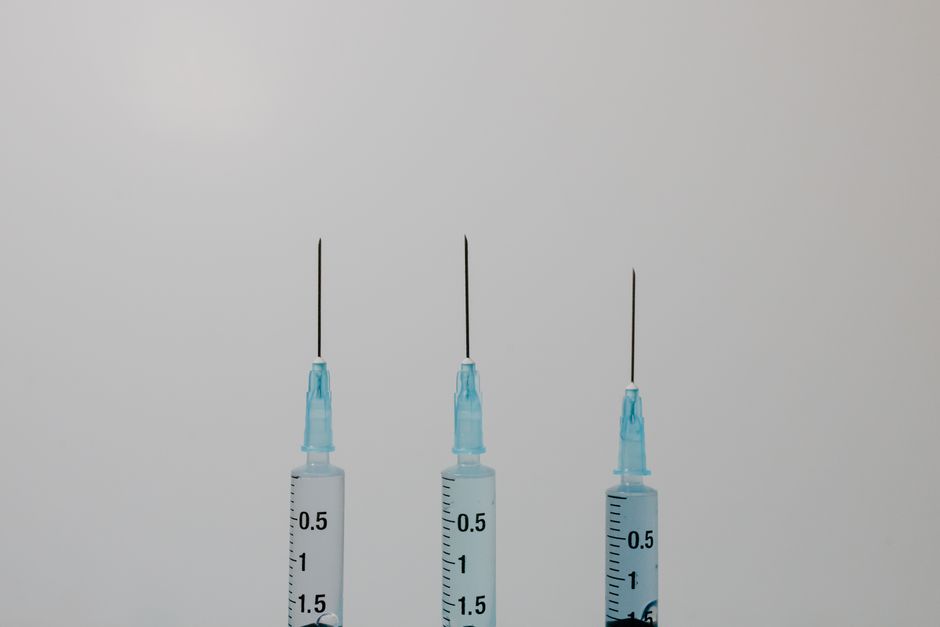
You can measure 2.5 mL without a syringe using a medicine dosing cup, a measuring spoon, a kitchen scale, or a calibrated dropper. Each method has limits. The cup and spoon are the most reliable for liquid medicine. The scale works only if you know the liquid’s density. A dropper works for small, precise amounts if it is marked in milliliters.
The bigger point: 2.5 mL is half of a standard 5 mL teaspoon. Getting that amount right matters most with liquid medicines for children, where small errors add up. This guide explains each method, when it works, and where it can go wrong.
How To Measure 2 5 Ml Without A Syringe 4 Ways
Here are four practical ways to measure 2.5 mL at home, ranked roughly from most to least reliable for medicine.
1. Use a medicine dosing cup
A dosing cup made for liquid medicine usually has markings for 2.5 mL, 5 mL, and sometimes 10 mL. These cups often come with the medicine or are sold at any pharmacy. They are designed for this exact job.
Set the cup on a flat surface at eye level. Pour slowly until the liquid reaches the 2.5 mL line. Read the line straight on, not from above or below, because the angle changes where the surface appears to sit. This is the same reading problem that makes measuring cups inaccurate for medicine.
Dosing cups are not perfect. A study published in the Annals of Internal Medicine found that dosing cups were the least accurate of the common household tools and were linked to more dosing errors than oral syringes. Still, a clearly marked cup read carefully is far better than a kitchen teaspoon.
2. Use a measuring spoon
A proper measuring spoon set includes a ½ teaspoon measure. Half a teaspoon equals 2.5 mL. This is a standard kitchen conversion: 1 teaspoon = 5 mL, so ½ teaspoon = 2.5 mL.
The catch is which spoon you use. A “teaspoon” from your silverware drawer is not a measuring spoon. Studies have found that household teaspoons vary widely in the volume they hold, and that variation can mean meaningful differences in a dose. Use a labeled measuring spoon, not cutlery.
Fill the spoon level, not heaped. Read it over a sink or hold it steady so you do not spill. For thick liquids like cough syrup, the spoon can hold a film that does not pour out cleanly, so the delivered amount may be slightly less than 2.5 mL.
3. Use a kitchen scale
A digital kitchen scale measures weight, not volume. To convert 2.5 mL to grams, you need the liquid’s density. Water and thin water-based liquids are close to 1 gram per milliliter, so 2.5 mL of water weighs about 2.5 grams.
This method breaks down for most medicines. Syrups, suspensions, and alcohol-based liquids have densities that differ from water, sometimes noticeably. Without knowing the exact density of the specific product, a scale reading will not reliably give you 2.5 mL. For water-based liquids in cooking, the scale is fine. For medicine, it is not the tool to reach for.
4. Use a marked dropper
Some liquid medicines and supplements come with a dropper marked in milliliters. If yours shows a 2.5 mL line, you can use it directly. Squeeze the bulb, dip the tip below the surface, release to draw liquid up, and fill to the line.
Droppers are precise for small volumes when they are marked and used correctly. The problem is that many droppers are marked in drops or in fractions of a milliliter, not in clean 2.5 mL increments. A dropper that only shows “1 mL” forces you to estimate 2.5 mL, which defeats the purpose. Only trust a dropper that has a clear 2.5 mL mark or a 0.5 mL mark you can count up to.
Which Method Is Most Accurate for Liquid Medicine?
For medicine, an oral syringe is the most accurate tool, which is why pharmacists hand them out. When you do not have one, a marked dosing cup is the next best choice for larger volumes, and a marked dropper is best for small volumes.
Measuring spoons are acceptable when the dose is not critical and the spoon is a true measuring spoon. Kitchen scales are the least reliable for medicine because they measure weight, not volume.
The table below summarizes how each method performs.
| Method | Best for | Main limitation |
|---|---|---|
| Dosing cup | Liquids of 2.5 mL and up | Reading the line at an angle causes errors |
| Measuring spoon (½ tsp) | Quick household measuring | Household spoons vary; thick liquids cling |
| Kitchen scale | Water-based liquids in cooking | Needs density; unreliable for syrups |
| Marked dropper | Small volumes with clear mL marks | Many droppers lack a 2.5 mL mark |
Why Is Getting 2.5 mL Right So Important?
Small volume errors matter most with children’s liquid medicine. A child’s dose is often based on body weight, and the margin between a helpful dose and too much is narrower than for adults. That is why pediatric guidance leans so heavily on measured dosing tools.
Research consistently shows that household spoons are a common source of dosing mistakes. The Annals of Internal Medicine study found that when parents used kitchen spoons instead of dosing tools, they made more errors. The errors were not always large, but with potent medicines even modest over- or under-dosing can matter.
Under-dosing is its own problem. If a fever reducer or antibiotic is given at less than the intended amount, it may not work as expected. Getting the volume right protects both safety and effectiveness.


What Should You Avoid When Measuring Liquid Medicine?
Do not use a regular tablespoon or teaspoon from your kitchen drawer for medicine. These are not standardized, and their actual volume can differ from the label on the recipe card. Use a tool marked in milliliters.
Do not guess. “About half a spoon” is not a measurement. If a medicine label calls for 2.5 mL, use a tool that shows 2.5 mL.
Avoid measuring over a full sink or while distracted. Spills and misreads happen most when people rush. Measure on a stable, flat surface with good light.
Do not mix up teaspoons and tablespoons. A tablespoon is 15 mL, three times a teaspoon. Confusing the two is a known cause of serious dosing errors, especially with concentrated liquid medicines.
When Should You Ask a Pharmacist Instead?
Ask a pharmacist for a proper dosing tool whenever you pick up a liquid medicine. Most pharmacies provide oral syringes or marked cups free on request. This is the simplest fix, and it removes the guesswork entirely.
Ask for help sooner if the medicine is for an infant or young child, if the dose is very small, or if the label uses unfamiliar units. A pharmacist can also confirm whether a ½ teaspoon measure is an acceptable substitute for the prescribed volume.
For infants and very young children, no home measuring method should replace a proper dosing device. The stakes are higher, and the tools are easy to get. If you cannot obtain a marked syringe or cup, call the pharmacist before dosing.
Frequently Asked Questions
Is 2.5 mL the same as half a teaspoon?
Yes, 2.5 mL equals ½ teaspoon, since 1 teaspoon is 5 mL. Use a true measuring spoon, not a household teaspoon, because cutlery volumes vary.
Can I use a kitchen measuring spoon for medicine?
A labeled measuring spoon is acceptable for non-critical doses when no dosing tool is available. For medicine, especially for children, a marked dosing cup or oral syringe is more accurate.
How many drops is 2.5 mL?
There is no fixed conversion, because drop size depends on the dropper and the liquid’s thickness. Use a dropper marked in milliliters rather than counting drops.
Can I measure 2.5 mL with a kitchen scale?
Only reliably for water-based liquids, where 2.5 mL weighs about 2.5 grams. Syrups and suspensions have different densities, so a scale will not give an accurate 2.5 mL for most medicines.
