
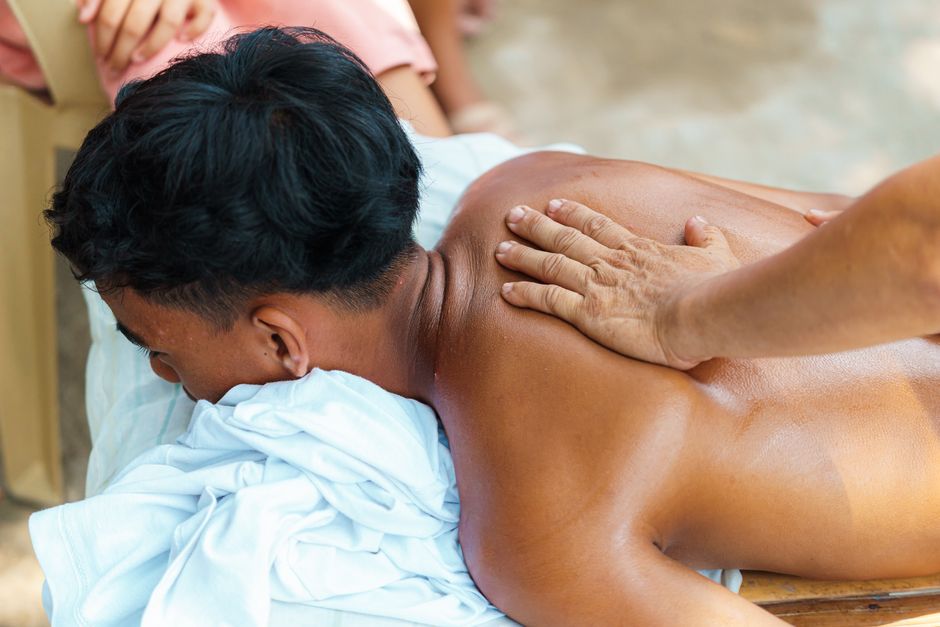
Prostate massage is a technique that involves applying gentle pressure to the prostate gland through the wall of the rectum. Some men do it to help relieve symptoms of an enlarged or inflamed prostate, and others do it for sexual pleasure. Learning to do it safely on yourself takes patience, good hygiene, and a clear understanding of where the gland sits and what it feels like.
What Is the Prostate and Where Is It Located?
The prostate is a walnut-sized gland that sits just below the bladder and in front of the rectum. It surrounds the urethra, the tube that carries urine out of the body. Because of this position, the prostate can be reached through the rectal wall.
The gland’s main job is to produce fluid that makes up part of semen. This fluid helps nourish and transport sperm. The prostate also plays a role in controlling urine flow, which is why prostate problems often cause urinary symptoms.
When a doctor performs a digital rectal exam, they insert a gloved finger into the rectum and press forward to feel the prostate. That same basic access point is what makes self-massage possible. The prostate sits roughly two to three inches inside the rectum, toward the front of the body.
Understanding the anatomy matters because the prostate is not the only structure in that area. The rectal wall is thin and delicate, and beyond it sit nerves, blood vessels, and other tissue. Pressing too hard or in the wrong direction can cause pain or injury.
Why Would Someone Massage Their Own Prostate?
Men seek out prostate massage for a few different reasons. The most common are symptom relief and sexual stimulation.
Some men with chronic prostatitis — a condition involving ongoing inflammation or pain in the prostate — report that massage helps ease discomfort. Some clinicians have recommended prostate massage as part of treatment for chronic prostatitis, though the evidence for its effectiveness is limited and results vary. It is not a standard first-line treatment, and not all urologists endorse it.
For benign prostatic hyperplasia, or an enlarged prostate, there is no strong evidence that massage shrinks the gland or treats the condition. BPH is typically managed with medication, lifestyle changes, or procedures. Massage is not a substitute for those approaches.
The other major reason is pleasure. The prostate is sometimes called the male G-spot because it sits near nerve endings that can produce intense sensation when stimulated. This is a well-documented aspect of male sexual anatomy, though individual response varies widely. Some men find it highly pleasurable. Others feel nothing or find it uncomfortable.
There is also a persistent claim online that prostate massage can prevent prostate cancer or “flush out toxins.” No clinical evidence supports this. Prostate cancer risk is not reduced by massage, and the gland does not store toxins that need releasing.
How Do You Massage Your Own Prostate Gland Safely?
Safety comes down to preparation, technique, and knowing when to stop. Rushing or using too much force is the most common way people hurt themselves.
Before You Begin
- Empty your bladder and bowels first. This reduces discomfort and mess.
- Wash your hands thoroughly with soap and warm water.
- Trim and file your fingernails smooth. Sharp edges can tear the rectal lining.
- Use a water-based lubricant. Silicone-based lubricants are also safe with gloves but can damage silicone toys.
- Consider wearing a disposable nitrile or latex glove. This adds a layer of protection and makes cleanup easier.
- Find a comfortable, private space where you can relax. Tension makes the process harder and more painful.
Finding the Prostate
Lie on your side with your knees bent, or squat, or stand with one foot elevated. Any position that gives your hand easy access works. Apply lubricant to your finger and the anal opening.
Insert one well-lubricated finger slowly. Gentle pressure and relaxation are key. Once inside, curl your finger forward toward your belly button, not backward toward your spine. About two to three inches in, you should feel a firm, rounded mass through the rectal wall. It may feel slightly spongy or like the tip of your nose. That is the prostate.
If you feel a hard nodule, an unusually firm area, or anything that seems different from the rest of the gland, stop and see a doctor. Do not try to massage it away.
Applying Pressure
Use the pad of your finger, not the tip. Press gently and make small, slow circular motions or a light “come here” stroking motion. Start with very light pressure and increase only if it feels comfortable.
Some men describe a mild urge to urinate during massage. That is normal because of the prostate’s position near the bladder and urethra. If you feel sharp pain, stop immediately. Discomfort is a signal, not something to push through.
Keep sessions short — a few minutes is enough when you are learning. There is no established clinical guideline for how long or how often to massage. No standard dosing or frequency exists. Use your own comfort as the guide.



What Are the Risks and Warning Signs?
Prostate massage is not risk-free. The rectum and prostate are sensitive areas, and problems can arise from poor technique or underlying conditions.
Possible risks include:
- Tearing or irritation of the rectal lining from rough fingernails or excessive force
- Infection, especially if hands or objects are not clean
- Pain or worsening symptoms in men with prostatitis or other prostate conditions
- Spread of infection if an active infection is present
Do not massage your prostate if you have an active urinary tract infection, a prostate infection, hemorrhoids that are bleeding or painful, or any recent rectal surgery. Do not do it if you have been told you have an elevated PSA or an abnormal prostate exam until a doctor has evaluated you.
See a doctor promptly if you notice blood in your urine or stool, fever, severe pain, or a new hard lump in the prostate area. These symptoms need medical evaluation, not self-treatment.
One more point worth making: the prostate is not a “valve” that opens when massaged. Some online sources claim massage releases blocked fluid or unclogs the gland. That is not how the prostate works. Fluid expressed during massage is prostatic fluid, and its release does not indicate the gland was blocked.
Does Prostate Massage Have Real Health Benefits?
The honest answer is that the evidence is limited. Prostate massage has been studied mainly in the context of chronic prostatitis and chronic pelvic pain syndrome, and results are mixed.
Some small studies suggest that prostate massage, sometimes combined with other treatments, may reduce pain or improve symptoms in some men with chronic prostatitis. Other studies show no clear benefit. The research is not strong enough to call it an established treatment.
For BPH, prostate cancer prevention, or general prostate health, there is no reliable evidence that massage helps. Claims that it boosts immunity, detoxifies the body, or prevents disease are not supported by clinical research.
For sexual pleasure, the evidence is largely anecdotal and based on individual experience. That does not make it invalid — it simply means it is not a medical treatment and should not be treated as one.
If you have prostate symptoms, the most important step is to see a doctor. Conditions like prostatitis, BPH, and prostate cancer have established diagnostic criteria and treatment options. Self-massage is not a replacement for medical care.
When Should You See a Doctor Instead?
Any new prostate symptom deserves a medical evaluation. That includes difficulty urinating, a weak stream, frequent urination at night, pain in the pelvis or lower back, blood in urine or semen, or pain during ejaculation.
These symptoms can have several causes, and only a doctor can tell them apart. Prostate cancer, for example, often causes no symptoms in its early stages. That is why screening discussions with a doctor matter for men in certain age groups.
If you are considering prostate massage for symptom relief, talk to your doctor first. Some clinicians support it as a complementary approach for chronic prostatitis. Others advise against it. The guidance you get may depend on your specific diagnosis and the doctor’s own clinical judgment.
Do not use massage to avoid or delay getting checked. A hard nodule, a rising PSA, or persistent pain are reasons to seek care, not to try harder at home.
Frequently Asked Questions
Can I massage my own prostate safely at home?
Yes, it can be done safely with clean hands, short fingernails, lubricant, and gentle pressure. Stop immediately if you feel sharp pain or notice blood.
How do I know if I found my prostate?
It feels like a firm, rounded, slightly spongy mass about two to three inches inside the rectum, toward the front of your body. It is often compared to the tip of your nose.
Does prostate massage help with an enlarged prostate?
No strong evidence shows that massage treats or shrinks an enlarged prostate. BPH is usually managed with medication, lifestyle changes, or medical procedures.
Can prostate massage prevent prostate cancer?
No. There is no clinical evidence that prostate massage reduces prostate cancer risk or prevents the disease.
