
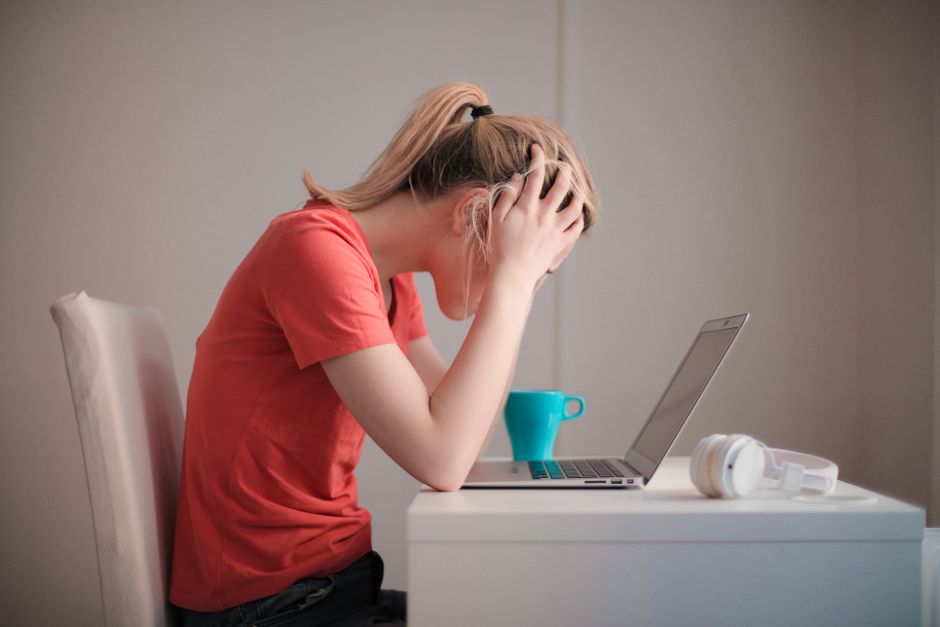
College stress is real, and it is not a sign that something is wrong with you. It comes from a mix of academic pressure, money worries, new social situations, and disrupted sleep and eating routines. Managing it well means building a few reliable habits around sleep, movement, connection, and time, and knowing when to ask for professional help.
How To Manage Stress In College As A Student
Stress management in college works best when it targets the sources of stress, not just the feeling. Most students cannot remove exams, deadlines, or tight budgets. What they can change is how their body and mind respond to those demands.
The basics matter more than most people expect. Sleep, regular movement, food, and contact with other people are not extras. They are the foundation that makes everything else possible. When any one of these falls apart, stress tends to rise fast.
A few things help across almost every situation:
- Keep a consistent sleep and wake time, even on weekends when you can.
- Move your body most days, even if it is just a walk between classes.
- Eat at roughly regular times rather than skipping meals and eating late at night.
- Stay in touch with at least one or two people you trust.
- Break large tasks into smaller steps you can actually start today.
None of this is dramatic. That is the point. Small, repeatable habits do more for stress over a semester than any single big effort.
Why Does College Stress Feel Different From Other Stress?
College stress has a specific shape. It combines high demands with low control, and it often comes with a loss of the routines that used to hold life together.
In high school, many students had parents, teachers, and a fixed schedule providing structure. In college, that structure disappears. You decide when to sleep, when to eat, when to study, and whether to go to class. That freedom is real, but it also means the responsibility for basic self-care shifts entirely onto you.
Several factors make this period harder:
- Sleep timing often shifts later, and total sleep drops.
- Meals become irregular, and caffeine and energy drinks increase.
- Social networks are rebuilt from scratch.
- Financial pressure and part-time work add load.
- Academic expectations rise at the same time independence does.
There is also a timing issue. The brain systems that manage planning and impulse control are still developing through the early twenties. That does not mean students cannot manage stress. It means the skills are still being built, often under real pressure.
What Actually Helps With Daily College Stress?
The habits with the strongest support are unglamorous. Sleep, physical activity, social connection, and structured study time consistently show up as helpful in research on student stress.
Protect your sleep first
Sleep is where stress recovery happens. Short sleep raises stress hormones and makes it harder to concentrate and regulate emotions. A consistent wake time anchors your body clock, and a consistent bedtime follows more easily once that is set.
Two practical steps: keep your phone out of reach for the last stretch before bed, and avoid caffeine in the afternoon and evening. Caffeine has a long half-life, meaning a large part of it is still in your system hours later.
Move your body, but do not overcomplicate it
Exercise reduces stress symptoms in many studies, and the effect does not require intense training. Walking, cycling, recreational sports, or a short workout between classes all count. The best exercise is the one you will actually repeat.
Stay connected, even when you want to withdraw
Social connection buffers stress. When people are overwhelmed, they often isolate, which makes things worse. A short conversation, a shared meal, or a study session with a classmate can interrupt that cycle.
Use structured study time
Procrastination and task pile-up drive a lot of student stress. Breaking work into smaller blocks and starting earlier reduces the panic that comes from cramming. This is one of the most reliable ways to lower academic stress specifically.





How Can You Calm Your Body During a Stressful Moment?
When stress spikes, the body goes into a fight-or-flight response. Heart rate rises, breathing speeds up, and muscles tense. Slow, deliberate breathing can push back against that response.
A simple approach is to breathe in through your nose for a count of about four, hold briefly, then breathe out slowly for a count of about six. The longer exhale is the part that tends to settle the nervous system. Doing this for a minute or two before an exam, a presentation, or a difficult conversation can take the edge off.
Other quick options include:
- Stepping outside for a short walk.
- Splashing cold water on your face.
- Tensing and then relaxing your muscles one group at a time.
- Naming what you feel out loud or in writing.
These techniques lower immediate arousal. They are not a substitute for addressing ongoing problems, but they help you get through the next hour.
When Should You Get Professional Help?
Stress that lasts for weeks, interferes with sleep, appetite, or your ability to function, or comes with hopelessness is a signal to seek help. That is not weakness. It is the same logic as seeing a doctor for a physical symptom that will not go away.
Warning signs worth taking seriously include:
- Persistent low mood or loss of interest in things you used to enjoy.
- Sleep problems that continue despite effort to fix them.
- Withdrawing from friends and activities.
- Feeling unable to cope with daily tasks.
- Thoughts of harming yourself.
If you have thoughts of harming yourself, reach out right away. In the US, you can call or text 988 to reach the Suicide and Crisis Lifeline. Campus counseling centers, student health services, and trusted adults are also good first stops.
College counseling services are usually free or low cost for enrolled students. Many also offer same-day or short-notice appointments. Asking for help early tends to make things easier, not harder.
What Makes College Stress Worse?
Some common coping strategies backfire. Recognizing them can save a lot of pain.
Alcohol and other substances are often used to take the edge off, but they disrupt sleep and can worsen mood and anxiety over time. Heavy drinking also increases the risk of accidents and academic problems.
Staying up late to study feels productive, but it usually costs more than it gives. Sleep loss impairs memory and focus, which makes the next day harder.
Isolating when stressed feels safer, but it removes the support that actually helps. So does comparing yourself constantly to others, especially on social media, where people tend to show only their best moments.
Caffeine overload is another common trap. It can mask tiredness in the short term while making anxiety and sleep worse.
How Do You Keep Stress Manageable Over a Whole Semester?
The goal is not to eliminate stress. It is to keep it at a level you can work with. That means building routines that survive busy weeks, not just good ones.
A few habits help over the long haul:
- Plan your week in advance, including time for rest.
- Keep a consistent sleep schedule as your anchor.
- Schedule movement and social time rather than hoping they happen.
- Check in with yourself regularly about how you are actually doing.
- Use campus resources before you are in crisis.
Stress will still show up during finals, tough weeks, and personal setbacks. Having a base of habits makes those periods more manageable and recovery faster.
Frequently Asked Questions
How can a college student reduce stress quickly?
Slow breathing with a longer exhale, a short walk, or a brief break can calm the body within a few minutes. These help in the moment but work best alongside ongoing habits like sleep and exercise.
Is college stress normal?
Some stress is a normal part of college life and can even help with focus. Stress that lasts for weeks or interferes with daily functioning is a sign to seek support.
Does exercise really help with student stress?
Research consistently shows physical activity reduces stress symptoms, and it does not require intense workouts. Regular walking or any activity you enjoy and repeat is enough to help.
When should a student see a counselor?
See a counselor if stress lasts for weeks, disrupts sleep or appetite, or comes with hopelessness or thoughts of self-harm. Campus counseling centers usually offer free or low-cost services for enrolled students.
