
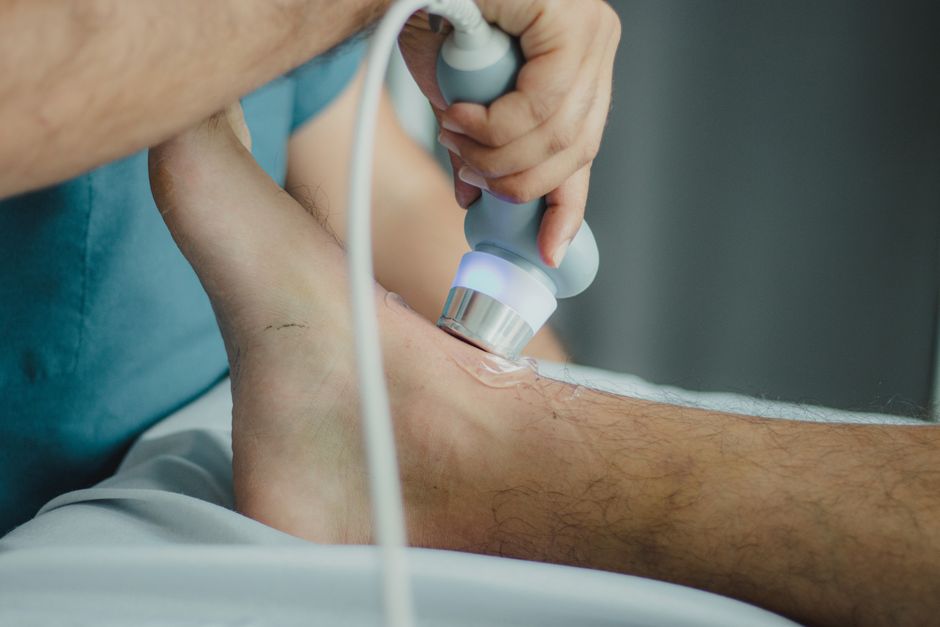
Shin splints are one of the most common overuse injuries in runners and athletes, and the pain along the front of your lower leg can stop your training in its tracks. The good news is that most cases resolve fully with the right approach. Managing shin splints comes down to reducing pain, correcting the cause, and gradually returning to activity. Here is the step-by-step process that works: rest the leg, apply ice, address any muscle tightness, fix your training load, and return to running only when pain allows.
What Exactly Are Shin Splints?
Shin splints is the common name for medial tibial stress syndrome. The condition involves inflammation of the muscles, tendons, and the thin tissue covering the shin bone (the tibia). It happens when the leg absorbs more stress than it can handle, typically from repetitive impact.
The pain usually runs along the inner edge of the shin bone. It often starts as a dull ache during exercise and can become sharper or more constant if you keep training. The lower third of the shin is the most common spot for pain, though it can occur higher up as well.
This is not a stress fracture, although the two conditions share some symptoms. A stress fracture is an actual crack in the bone and produces more pinpoint, severe pain. If you cannot tell the difference, a doctor can help with imaging.
How To Manage Shin Splints Step by Step
The management plan follows a logical order. Each step builds on the previous one, and skipping steps often leads to the pain returning.
Step 1: Stop the aggravating activity. This is the hardest but most necessary step. Running through shin splint pain typically makes the injury worse and lengthens recovery time. You do not need complete bed rest, but you do need to stop the activity that causes pain. For most people, this means pausing running and high-impact exercise for one to two weeks.
Step 2: Reduce inflammation and pain. Apply ice to the painful area for 15 to 20 minutes several times a day during the first few days. Over-the-counter anti-inflammatory medication can help, but check with a healthcare provider first, especially if you have other medical conditions.
Step 3: Address muscle tightness. Tight calf muscles pull on the shin area and increase strain on the tibia. Gentle calf stretching and foam rolling the calves can help. Massaging the muscles along the shin itself may also provide relief, but avoid deep massage directly over the bone if it is painful.
Step 4: Correct the underlying cause. Shin splints rarely happen without a reason. Common contributors include a sudden increase in mileage or intensity, worn-out shoes, running on hard surfaces, or biomechanical issues like overpronation. Identify what changed in your training and fix it before returning.
Step 5: Return to activity gradually. When walking is pain-free and you can hop on the affected leg without pain, it is safe to start easing back. Begin with low-impact cross-training like swimming or cycling. Then reintroduce running at a reduced distance and intensity. A common rule is to increase mileage by no more than 10 percent per week.
How Long Do Shin Splints Take To Heal?
Recovery time depends on how severe the injury is and how consistently you follow the management plan. Mild cases may improve within one to two weeks. More stubborn cases can take six to eight weeks or longer.
Full recovery means more than just being pain-free during exercise. The tissues need time to remodel and strengthen. Returning to full training too early is the most common reason shin splints become a chronic problem.
If pain persists beyond a few weeks despite rest, or if it worsens at night, see a healthcare provider. These can be signs of a stress fracture or another condition that needs different treatment.





What Causes Shin Splints in the First Place?
Understanding the cause is essential for preventing a repeat episode. The condition develops when the tibia experiences repeated bending stress during impact. The muscles attached to the shin bone pull on it with each stride, and when that pull exceeds what the bone can handle, pain develops.
Several factors increase the risk:
- Sudden training changes — increasing distance, frequency, or intensity too quickly
- Poor footwear — shoes that are worn out or lack proper support
- Hard running surfaces — concrete and asphalt transmit more force than trails or tracks
- Biomechanical issues — flat feet, overpronation, or weak hip and core muscles
- Inadequate warm-up — starting intense exercise without preparing the muscles
Some research suggests that women may be at higher risk than men, though the reasons are not fully understood. What is clear is that the condition results from a mismatch between training load and the body’s ability to adapt.
Can You Run With Shin Splints?
The short answer is no, not while the pain is present. Running through the pain prolongs recovery and risks turning a minor injury into a stress fracture. Pain is the body’s signal that the tissue is being overloaded.
That does not mean you must stop all activity. Low-impact exercise like swimming, cycling, and elliptical training can maintain cardiovascular fitness while the shin heals. These activities place minimal stress on the tibia.
When you do return to running, pay attention to how the shin feels during and after the run. Mild discomfort that resolves quickly is acceptable. Pain that persists or worsens means you have returned too soon.
When Should You See a Doctor?
Most shin splints can be managed at home, but some situations warrant professional evaluation. See a healthcare provider if the pain is severe, if it does not improve after several weeks of rest, or if you have swelling, redness, or warmth in the area.
These symptoms can indicate a stress fracture, compartment syndrome, or another condition that requires specific treatment. A doctor can perform imaging studies to confirm the diagnosis and rule out more serious injuries.
Physical therapists can also help identify biomechanical issues contributing to the problem. They can design a strengthening program to address muscle imbalances and improve running form.
How To Prevent Shin Splints From Coming Back
Prevention is about building tolerance gradually and addressing risk factors before they become problems. The same principles that treat shin splints also prevent them.
Strengthen the lower leg muscles. Calf raises, toe raises, and exercises that strengthen the muscles around the ankle and foot can improve the leg’s ability to absorb impact. Stronger hip and core muscles also help by stabilizing the leg during running.
Replace worn shoes regularly. Running shoes typically need replacement every 300 to 500 miles, depending on the shoe and the runner. Worn shoes lose their cushioning and shock absorption.
Increase training load gradually. The 10 percent rule is a reasonable guideline for most runners, though it is not a hard scientific standard. The principle behind it is sound: give the body time to adapt to new demands.
Cross-train. Incorporating low-impact activities into your routine reduces the total impact load on your legs while still building fitness.
Frequently Asked Questions
Should I stretch shin splints?
Yes, gentle stretching of the calf muscles can help reduce tension on the shin area. Stretch only to the point of mild tension, never into sharp pain.
Is it okay to walk with shin splints?
Walking is generally fine if it does not cause significant pain. If walking hurts, reduce your activity level and focus on rest until pain subsides.
Can shin splints turn into stress fractures?
Yes, if you continue training through the pain, the repeated stress can progress to a stress fracture. This is why rest and gradual return are essential.
Do compression sleeves help shin splints?
Some runners report symptom relief from compression sleeves, though evidence is limited. They may help during recovery, but they do not replace the need to address the underlying cause.
