
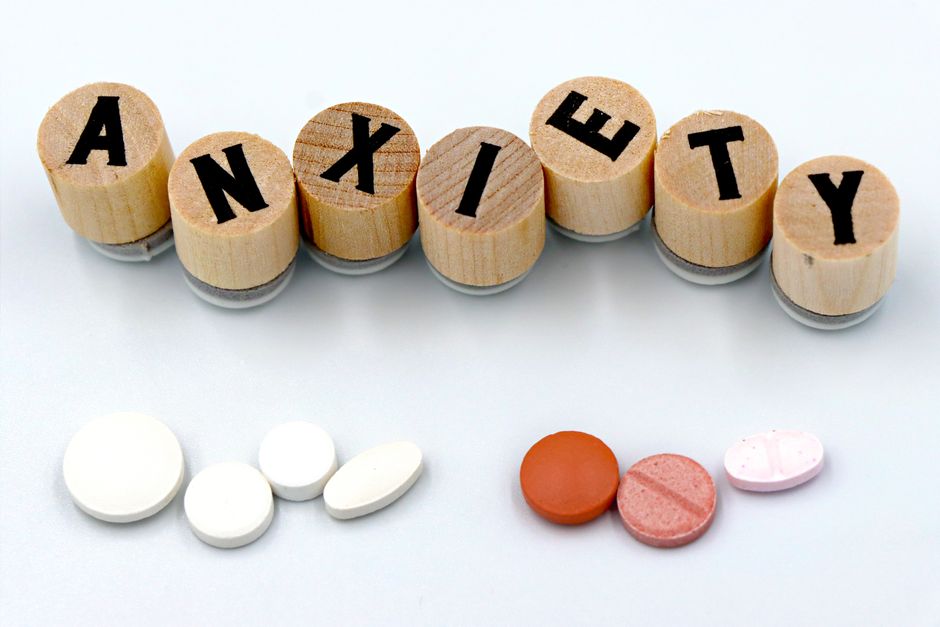
Chronic anxiety is not just a feeling. It is a whole-body state — a nervous system stuck in a gear it cannot shift out of. Managing it means working on three fronts at once: the body, the mind, and daily life. No single approach works alone, and that is not a flaw in the plan. It is how anxiety actually works.
What Is Actually Happening in the Body During Chronic Anxiety?
Anxiety starts as a survival response. The brain perceives a threat and activates the sympathetic nervous system. Heart rate rises. Breathing speeds up. Muscles tense. The stress hormones adrenaline and cortisol flood the bloodstream.
In short bursts, this system is protective. In chronic anxiety, the threat response does not shut off. The body stays on alert long after any real danger has passed.
Over time, that constant alert state leaves a physical mark. Muscle tension becomes chronic and can cause headaches, jaw pain, and back pain. Digestion slows or becomes erratic because the gut is not a priority during a threat response. Sleep becomes lighter and less restorative. Some people develop a racing heart, dizziness, or a tight chest even when no danger is present.
This is not imagined. The body genuinely changes under sustained stress. That is why treating anxiety only in the mind tends to leave people stuck.
How Does Anxiety Affect the Brain and Thinking?
Chronic anxiety changes how the brain processes information. The amygdala — the brain’s threat detector — becomes more reactive. The prefrontal cortex, which handles reasoning and calm decision-making, becomes less effective at putting the brakes on that alarm.
The result is a loop. A neutral event gets read as a threat. The body responds as if it is real. The mind then looks for more evidence of danger, which reinforces the loop. Over time, this can make everyday situations feel genuinely unsafe.
Anxiety also affects memory and focus. When the brain is busy scanning for threats, it has less capacity for learning, problem-solving, and staying present. Many people with chronic anxiety describe feeling “foggy” or unable to concentrate. This is a real cognitive effect, not a character flaw.
One thing worth understanding: anxiety is not the same as stress. Stress usually has a clear cause and eases when the cause passes. Anxiety often has no obvious trigger and persists regardless of circumstances. That distinction matters for how you approach it.
What Lifestyle Changes Actually Help With Chronic Anxiety?
Lifestyle is not a soft add-on. It is one of the strongest levers available for calming a nervous system that has been stuck on high alert.
Sleep is the foundation. The brain processes emotional experiences during sleep, particularly during REM stages. When sleep is short or broken, emotional regulation gets harder the next day. This is well established. The relationship runs both ways — anxiety disrupts sleep, and poor sleep worsens anxiety.
Movement matters, but not in the way most people assume. You do not need intense exercise. Regular moderate activity — walking, swimming, cycling — has been shown to reduce anxiety symptoms in multiple studies. The mechanism involves several pathways, including changes in stress hormone regulation and increased production of mood-related neurotransmitters.
Caffeine and alcohol both interact with anxiety in ways people often underestimate. Caffeine directly stimulates the sympathetic nervous system. For someone already on edge, that extra stimulation can tip a manageable day into a difficult one. Alcohol can feel calming at first, but it disrupts sleep architecture and can increase anxiety the following day.
Blood sugar stability also plays a role. Skipping meals or eating mostly refined carbohydrates can cause blood sugar swings that mimic or worsen anxiety symptoms. Regular meals with protein, fat, and fiber help keep the system steadier.
Which daily habits make the biggest difference?
- Consistent sleep and wake times, even on weekends
- Moderate physical activity most days of the week
- Limiting caffeine, especially after midday
- Regular meals that include protein and fiber
- Reducing alcohol, or cutting it out entirely if it worsens symptoms





How Do You Calm the Mind When Anxiety Takes Over?
The mind cannot be argued out of anxiety. Telling yourself to calm down rarely works because the threat response is faster than conscious reasoning. What works better is giving the nervous system direct signals of safety.
Slow breathing is one of the most accessible tools. When you breathe slowly and extend the exhale, you activate the parasympathetic nervous system — the branch that handles rest and recovery. A simple pattern is to breathe in for a count of four and out for a count of six. No equipment needed.
Grounding techniques can interrupt a spiral. These involve directing attention to physical sensations — the feel of your feet on the floor, the temperature of the air, the texture of an object in your hand. The goal is not to suppress the anxiety but to give the brain something concrete to process instead of the threat loop.
Mindfulness-based approaches have a reasonable evidence base for anxiety. Research published in JAMA Internal Medicine found that mindfulness meditation programs showed moderate evidence of improving anxiety symptoms. That said, mindfulness is a skill. It takes practice to become useful, and it does not work for everyone.
Cognitive behavioral therapy, or CBT, is one of the most studied treatments for anxiety disorders. It works by identifying and changing the thought patterns that feed the anxiety loop. It is typically delivered by a trained therapist, though self-guided programs also exist. For many people, CBT combined with lifestyle changes produces better results than either alone.
When Should You Get Professional Help for Anxiety?
Anxiety becomes a clinical concern when it interferes with daily life — work, relationships, sleep, or basic functioning. If you are avoiding situations you used to handle, or if anxiety is present most days for months, that is a signal to seek professional support.
There is no threshold you need to cross before asking for help. You do not have to be in crisis. Talking to a doctor or mental health professional early can prevent anxiety from becoming more entrenched.
Treatment options include therapy, medication, or both. Selective serotonin reuptake inhibitors, or SSRIs, are commonly prescribed for anxiety disorders and have been studied extensively. They are not a quick fix — they typically take several weeks to take effect, and finding the right one can involve some trial and error. Benzodiazepines are sometimes used for short-term relief, but they carry a risk of dependence and are generally not recommended for long-term use.
Some clinicians also recommend beta-blockers for specific anxiety symptoms, particularly physical ones like a racing heart. The evidence for this is stronger in performance anxiety than in generalized anxiety disorder.
If you are unsure where to start, a primary care doctor is a reasonable first step. They can rule out medical conditions that mimic anxiety — such as thyroid problems or heart arrhythmias — and refer you to a specialist if needed.
Can Anxiety Be Managed Without Medication?
For some people, yes. For others, medication is an important part of the plan. The honest answer is that it depends on the severity, the type of anxiety, and the individual.
Mild to moderate anxiety often responds well to therapy, lifestyle changes, and stress management. Research consistently shows that CBT is effective for anxiety disorders, and its benefits tend to last after treatment ends because it teaches skills rather than just suppressing symptoms.
Severe anxiety, or anxiety that has been present for years, may need more support. Medication can reduce symptoms enough for therapy and lifestyle changes to take hold. There is no prize for managing without medication, and there is no failure in using it.
What does not work well is waiting. Anxiety tends to reinforce itself over time. The longer the loop runs, the harder it is to interrupt. Early action — whatever form it takes — tends to produce better outcomes.
How Do Body, Mind, and Lifestyle Work Together?
The three are not separate tracks. They feed each other. Poor sleep raises anxiety, which makes it harder to think clearly, which leads to skipping meals or avoiding exercise, which worsens sleep. The cycle is self-reinforcing.
Breaking it means working on more than one front at once. A breathing practice calms the body enough for therapy to be useful. Regular movement improves sleep, which improves mood regulation, which makes it easier to engage with daily life.
Progress is rarely linear. Some days will be harder than others. That is not a sign of failure. It is how recovery from chronic anxiety typically looks.
If you are dealing with chronic anxiety, you do not have to figure it out alone. Professional support is not a last resort — it is a reasonable first step for many people.
Frequently Asked Questions
How long does it take to manage chronic anxiety?
There is no fixed timeline. Some people notice improvement within weeks of starting therapy or lifestyle changes, while others need months. The pace depends on severity, the type of anxiety, and how consistently the approach is followed.
Can chronic anxiety go away on its own?
Mild anxiety sometimes improves with lifestyle changes and time. Chronic anxiety that interferes with daily life rarely resolves without some form of treatment or structured support.
What is the fastest way to calm an anxiety attack?
Slow breathing with a longer exhale is one of the quickest ways to signal safety to the nervous system. Grounding techniques that direct attention to physical sensations can also help interrupt the spiral.
Is medication always needed for chronic anxiety?
No. Many people manage anxiety effectively with therapy, lifestyle changes, and stress management alone. Medication is typically considered when symptoms are severe or when other approaches have not provided enough relief.
